Knee Pain Treatment
Knee Pain Treatment in Hyderabad — Genicular Nerve Block, Cryoanalgesia
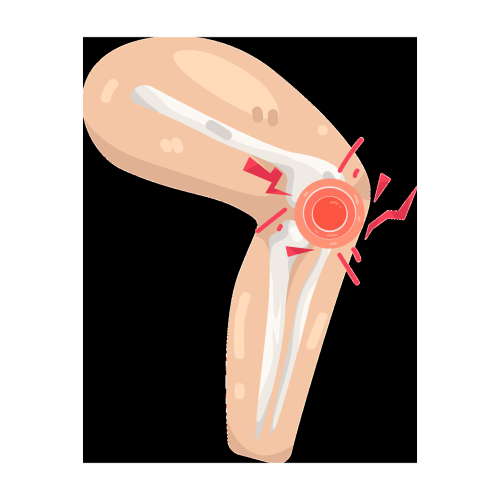
Chronic knee pain affects an estimated 25% of adults in India — making it one of the most prevalent musculoskeletal conditions and a leading cause of disability, reduced mobility, and impaired quality of life. Knee osteoarthritis (OA) alone affects over 45 million Indians, with knee pain from OA being the most common cause of pain-related disability in adults over 50. Despite its prevalence, many patients with chronic knee pain receive inadequate treatment — cycling through paracetamol and NSAIDs that provide limited benefit, or are told to “wait for joint replacement surgery.” SurgiPartner’s interventional pain specialists in Hyderabad offer a comprehensive spectrum of drug-free and minimally invasive treatments — including genicular nerve block and cryoanalgesia — that provide sustained knee pain relief.
Anatomy of Knee Pain — Why the Knee Is So Complex
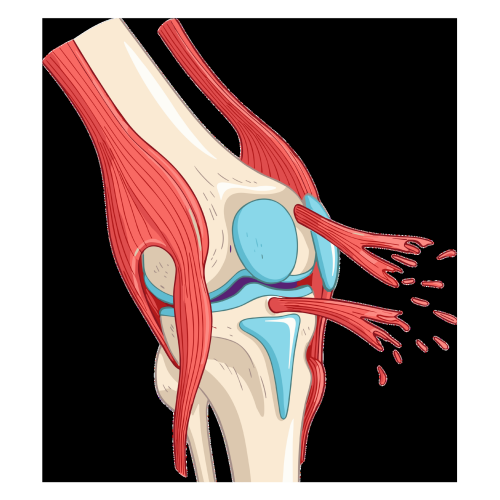
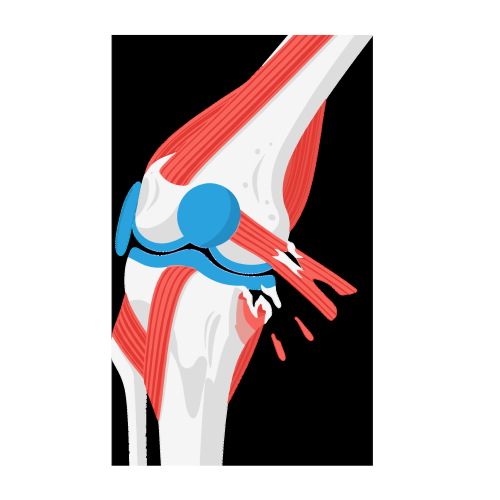
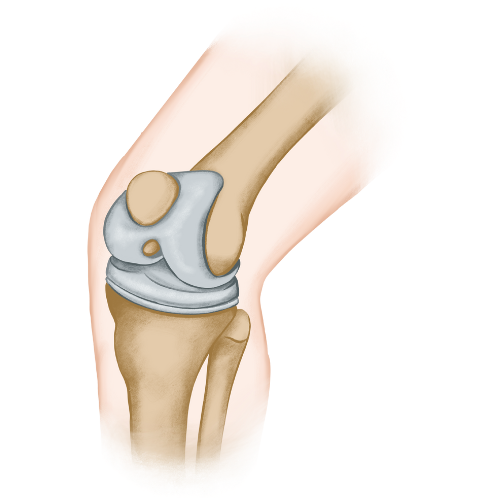
The knee is the largest and most complex joint in the body — a synovial joint formed by three articulations: the medial tibiofemoral, the lateral tibiofemoral, and the patellofemoral compartments. It is supported by four major ligaments (ACL, PCL, MCL, LCL), two menisci (medial and lateral), multiple tendons, and the joint capsule. The innervation of the knee is provided by multiple branches of the femoral, obturator, sciatic, and common peroneal nerves — with the three genicular nerves (the superior medial genicular nerve (SMGN), the inferior medial genicular nerve (IMGN), and the lateral genicular nerve (LGN), all branches of the femoral nerve) being the primary sensory nerves of the medial and anterior knee and the target for genicular nerve interventions.
Causes of Chronic Knee Pain
| Condition | Features | Best Treatment Pathway |
|---|---|---|
| Knee osteoarthritis (OA) | Most common; age-related cartilage degradation; medial compartment most common; pain with weight-bearing, stairs; morning stiffness; crepitus; effusion | Exercise + weight loss + analgesia → intra-articular injections (corticosteroid, hyaluronic acid, PRP) → genicular nerve block/cryoanalgesia → knee replacement |
| Patellofemoral pain syndrome (PFPS) | Anterior knee pain; pain with stairs, squatting, prolonged sitting (cinema sign); young active adults; patella maltracking | Physiotherapy (VMO strengthening, taping) → intra-articular injection if chondromalacia → genicular nerve block |
| Knee meniscal tears | Medial or lateral joint line pain; locking, clicking; positive McMurray's test; MRI diagnosis | Arthroscopic meniscal repair or meniscectomy for significant symptomatic tears; intra-articular injections for degenerative tears in older patients |
| Ligament injuries (ACL, MCL) | Acute onset after twisting injury; instability; haemarthrosis | Orthopaedic assessment; surgical reconstruction for ACL in active patients; conservative for MCL |
| Bursitis (prepatellar, pes anserine) | Localised swelling over bursa; occupational (kneeling); pes anserine medial pain below joint line | Aspiration + corticosteroid injection; padding; anti-inflammatory treatment |
| Post-knee replacement pain | Persistent pain after total knee arthroplasty (TKA) in 10–20% of patients; complex causes including neurogenic, implant-related | Assessment for implant complications → genicular nerve PRF or cryoanalgesia → pain psychology |
Genicular Nerve Block — Targeted Pain Relief for Knee OA
The genicular nerve block targets the three primary sensory nerve branches of the knee — the Superior Medial Genicular Nerve (SMGN), the Inferior Medial Genicular Nerve (IMGN), and the Superior Lateral Genicular Nerve (SLGN) — at their anatomical landmarks around the distal femur and proximal tibia under fluoroscopic or ultrasound guidance. Blocking these nerves interrupts the pain signal from the knee joint capsule, synovium, and periosteum — providing significant pain relief without affecting knee strength, proprioception, or function.
Diagnostic block: Local anaesthetic is injected at each genicular nerve landmark; if the patient reports significant pain reduction (typically 50–80% reduction) within the following hours, this confirms the genicular nerves as the primary pain pathway and predicts a good response to RF ablation or cryoanalgesia.
Success rate of diagnostic genicular nerve block: 70–80% of patients with chronic knee OA pain achieve >50% pain relief from genicular nerve block — confirming the technique’s diagnostic accuracy and therapeutic potential.
Radiofrequency Ablation (RFA) of Genicular Nerves
Following a positive diagnostic genicular nerve block, radiofrequency ablation (RFA) heats the genicular nerves to 80°C using a radiofrequency electrode — permanently disrupting pain signal transmission for 6–12 months. Multiple randomised controlled trials confirm that genicular nerve RFA provides:
- Significant pain reduction in 60–80% of patients at 6 months
- Improved function and walking distance
- Reduced analgesia requirement
- Improved quality of life scores
- Sustained benefit in many patients at 12 months, with repeat RFA feasible when the effect wanes
Genicular nerve RFA is an excellent option for: patients with severe knee OA who are not surgical candidates (comorbidities, advanced age); patients awaiting knee replacement who need interim pain control; and patients who have had knee replacement but continue to have significant pain (post-TKA pain from neurogenic causes).
Cryoanalgesia of Genicular Nerves — SurgiPartner's Featured Procedure
Cryoanalgesia applies cryotherapy (−70 to −88°C) to the genicular nerves — causing reversible wallerian degeneration that eliminates pain signal transmission for 3–12 months while allowing nerve regeneration along preserved endoneurial tubes. Key advantages over RFA:
- Longer duration of relief — cryoanalgesia typically provides 6–12 months of relief vs 6–9 months for RFA in most patients
- No deafferentation risk — the reversibility of cryo-induced nerve damage eliminates the small but real risk of deafferentation pain associated with thermal RFA
- Can be repeated — multiple cycles of cryoanalgesia can be performed as needed when the nerve regenerates and pain recurs
- Safe profile — no electrical energy, no thermal tissue damage beyond the nerve target
Intra-Articular Knee Injections
Corticosteroid Injections
Corticosteroid injections (triamcinolone acetonide or methylprednisolone) into the knee joint under ultrasound guidance provide rapid anti-inflammatory relief — effective for acute inflammatory flares of knee OA and for managing synovial inflammation, effusion, and bursitis. Duration: 4–12 weeks. Not recommended for frequent repeated use (>3–4 times per year) due to potential cartilage thinning with long-term repeated injection.
Hyaluronic Acid (Viscosupplementation)
Hyaluronic acid (HA) injection into the knee joint supplements the depleted synovial fluid in OA — restoring viscosity, lubrication, and shock absorption. Available as single-dose (Synvisc-One, Durolane) or three-week courses (Supartz, Hyalgan). Best evidence in mild-moderate OA (KL Grade I–III); less effective for severe OA. Duration of benefit: 3–6 months. Safe for frequent repeated injection.
Platelet-Rich Plasma (PRP)
PRP is prepared from the patient’s own blood — centrifuged to concentrate platelets and growth factors (PDGF, TGF-β, IGF-1) — and injected into the knee joint. Growth factors stimulate chondrocyte activity, reduce inflammatory cytokines, and promote articular cartilage regeneration. Multiple RCTs and meta-analyses demonstrate that intra-articular PRP provides superior and longer-lasting pain relief compared to corticosteroid and hyaluronic acid injections — with pain reduction maintained at 12 months in most studies. Recommended for mild-moderate OA, post-surgical knee pain, and sports injuries. Two to three injections over 4–6 weeks. No risk of repeated injection cartilage damage.
Frequently Asked Questions — Knee Pain Treatment Hyderabad
A genicular nerve block targets the three main sensory nerve branches supplying the knee joint — the superior medial, inferior medial, and superior lateral genicular nerves — with local anaesthetic injected under ultrasound or fluoroscopic guidance. These nerves transmit pain signals from the knee joint capsule, synovium, and periosteum to the brain. Blocking them interrupts this pain pathway — providing significant knee pain relief without affecting muscle strength or joint proprioception. A diagnostic block (local anaesthetic) confirms that the genicular nerves are the primary pain source. Following a positive diagnostic block, genicular nerve radiofrequency ablation (RFA) or cryoanalgesia provides sustained relief for 6–12 months. Studies show 70–80% of knee OA patients achieve significant pain reduction with genicular nerve procedures. SurgiPartner's pain specialists perform image-guided genicular nerve blocks in Hyderabad — call +91 9030053009 for an assessment.
Both cryoanalgesia and radiofrequency ablation (RFA) of the genicular nerves provide effective, sustained knee pain relief — and both are superior to single-injection procedures (corticosteroids, HA). The key differences: Cryoanalgesia applies cold (−70°C to −88°C) causing reversible nerve degeneration — the nerve regenerates along its preserved framework; effect lasts 6–12 months; no deafferentation risk. RFA applies heat (80°C) causing permanent neurolysis — the nerve must regenerate de novo; effect lasts 6–9 months; small theoretical risk of deafferentation pain with repeated thermal ablation. At SurgiPartner partner centres in Hyderabad, cryoanalgesia is the preferred technique for benign knee pain conditions due to its reversibility and repeatable safety profile. For patients with very severe OA pain who are awaiting knee replacement, the longer relief from cryo or RF is clinically valuable. Call +91 9030053009 for a personalised recommendation.
Yes — intra-articular PRP (Platelet-Rich Plasma) is one of the most effective injections for knee osteoarthritis, with multiple RCTs and meta-analyses demonstrating superior outcomes compared to corticosteroid and hyaluronic acid injections. PRP concentrates growth factors (PDGF, TGF-β, IGF-1) from the patient's own blood — these growth factors reduce intra-articular inflammation, stimulate cartilage chondrocytes, and improve synovial fluid quality. Studies consistently show: greater pain reduction at 6 and 12 months; improved function scores; better maintenance of joint space; and no cartilage toxicity (unlike repeated corticosteroid injections). PRP is most effective for mild-moderate OA (Kellgren-Lawrence Grade I–III); for severe OA (KL Grade IV), pain relief is achieved but structural improvement is limited. Typically 2–3 injections are given at 2–4 week intervals. SurgiPartner provides ultrasound-guided intra-articular PRP at partner centres in Hyderabad — call +91 9030053009.
Yes — for many patients with chronic knee pain including moderate osteoarthritis, significant pain relief and functional improvement can be achieved without surgery. The non-surgical treatment pathway: (1) Weight loss and physiotherapy — reducing load on the knee and strengthening the quadriceps significantly reduces OA progression and pain; (2) PRP or hyaluronic acid injections — biological and viscosupplementation treatments that improve joint environment; (3) Genicular nerve block with RFA or cryoanalgesia — providing 6–12 months of significant pain relief from a single day-care procedure; (4) Optimised analgesia — appropriate use of paracetamol, topical NSAIDs, and duloxetine (which has evidence for OA knee pain). Surgery (knee replacement) is indicated when all non-surgical options have been exhausted and pain and disability are severe. SurgiPartner's interventional approach allows many patients to delay or avoid joint replacement while maintaining good quality of life — call +91 9030053009.
Regular low-impact exercise is one of the most evidence-based treatments for knee OA — providing pain reduction, improved function, reduced stiffness, and psychological benefits. Safe exercises for knee OA: (1) Swimming — non-weight-bearing; excellent cardiovascular and muscular exercise without joint loading; (2) Cycling (stationary or road) — low joint impact; builds quadriceps strength; (3) Yoga and tai chi — improve flexibility, balance, and proprioception; reduce falls risk; (4) Walking — moderate pace on flat surfaces; build up gradually; use cushioned footwear; (5) Hydrotherapy (water aerobics) — water buoyancy reduces joint loading; (6) Quadriceps strengthening — particularly VMO (vastus medialis oblique) strengthening; straight leg raises, mini-squats, wall sits. Exercises to avoid with severe knee OA: running on hard surfaces; deep squats below 90°; high-impact aerobics; jumping. SurgiPartner coordinates with physiotherapists for an individualised knee exercise programme alongside interventional treatment — call +91 9030053009.
No — knee pain has many causes beyond osteoarthritis. In younger patients (under 50), the most common causes are: ligament injury (ACL, MCL, PCL tears from sports); meniscal tear (medial or lateral meniscus); patellofemoral pain syndrome (anterior knee pain from patella maltracking); patellar tendinopathy ("jumper's knee" in athletes); iliotibial band syndrome (lateral knee pain in runners); bursitis (prepatellar or pes anserine); and osteochondral defects. In older patients: osteoarthritis (most common); gout or pseudogout (crystal arthropathy — presents as acute red, hot, swollen knee); rheumatoid arthritis; Baker's cyst (popliteal cyst from posterior capsule distension — causes posterior knee pain); and referred pain from hip OA or lumbar disc pathology (which can present as knee pain despite normal knee examination). Correct diagnosis — with clinical assessment, ultrasound, and MRI — is essential before treatment selection. SurgiPartner's pain team provides comprehensive knee pain assessment — call +91 9030053009.
Interventional knee pain treatments including intra-articular injections (corticosteroid, PRP), genicular nerve blocks, and RF ablation/cryoanalgesia are increasingly covered by health insurance in India when performed for medically indicated chronic knee pain with appropriate documentation. PRP injections are covered under some policies, particularly for OA management. Physiotherapy is covered under outpatient benefits of most comprehensive plans. SurgiPartner's insurance team verifies specific procedure coverage for your policy and provides pre-authorisation documentation for all knee pain interventional procedures at partner hospitals in Hyderabad — call +91 9030053009.
Why Choose SurgiPartner?
Choosing SurgiPartner means choosing expert care, advanced technology, and a commitment to restoring full mobility. Our approach to ACL Reconstruction Surgery helps athletes and active individuals regain knee stability, confidence, and performance.
01.
Experienced Sports Orthopedic Surgeons
Our skilled surgeons specialize in ACL reconstruction, ligament repair, and sports injury management, ensuring precision and faster return to activity.
02.
Advanced Arthroscopic & Minimally Invasive Techniques
We use keyhole surgical methods that reduce scarring, pain, and recovery time promoting faster joint healing
03.
Personalized Rehabilitation Programs
Each recovery plan is custom-designed with physiotherapists to restore flexibility, strength, and confidence step by step.
04.
Fast, Pain-Free Recovery
Most patients start walking within days and return to sports or active routines within a few months supported by guided rehab care.
Request a Consultation
Take the first step toward stronger, more stable knees with SurgiPartner advanced ACL Reconstruction Surgery. Our specialists are here to guide you through a safe and effective recovery journey.
Get back in the game – that’s the SurgiPartner promise
View SurgiPartner on Google

Posted on Google
 saikiran challa
Trustindex verifies that the original source of the review is Google.
I am thoroughly impressed with the SurgiPartner model, which delivers integrated, end-to-end patient support across the healthcare continuum—from initial consultations to treatment and surgical interventions, where necessary. I recently availed their Care Buddy service for a consultation, and the experience was highly seamless, efficient, and professionally managed. The structured Care Buddy support, combined with well-aligned financial assistance processes, significantly enhances the overall patient journey. This holistic and patient-centric approach effectively streamlines access to quality healthcare, making it more efficient and convenient in today’s dynamic environment.Posted on Google vasantha kumari buggalaI’m really impressed with the SurgiPartner concept. They provide end-to-end patient support—from doctor consultations to treatment and even surgery when required. I personally used their Care Buddy service for a consultation, and it was a smooth and positive experience. The Care Buddy assistance, along with support in financial processes, makes healthcare much more convenient, especially in today’s fast-paced lifestyle.Posted on Google
 krishna nayakMy Brother Arun Kumar and krishna from Bangalore. We are travelled to Hyderabad for LASIK surgery, and today we successfully underwent the procedure at American Laser Eye Hospital. The surgery went very smoothly and I am feeling very good after the procedure. The hospital environment is very clean and well maintained. All the staff and doctors are very polite, supportive, and professional. A special thanks to SurgiPartner CareBuddy for guiding and helping me throughout the entire process. From the beginning till the end of the day, they were with us at every step and provided excellent support. Overall, I had a very good experience and I highly recommend American Laser Eye Hospital for LASIK surgery with SurgiPartner support.Posted on Google
 ManaswiReally impressed with the concept of SurgiPartner. They offer complete patient support from doctor consultation to treatment and surgery if needed. I personally took a consultation through their Care buddy, and it was a great experience. The care buddy system and help with financial processes make healthcare much easier, especially in today’s busy world.Posted on Google
 Arun NayakMy name is Arun Kumar and I am from Bangalore. I traveled to Hyderabad for LASIK surgery, and today I successfully underwent the procedure at American Laser Eye Hospital. The surgery went very smoothly and I am feeling very good after the procedure. The hospital environment is very clean and well maintained. All the staff and doctors are very polite, supportive, and professional. A special thanks to SurgiPartner CareBuddy for guiding and helping me throughout the entire process. From the beginning till the end of the day, they were with us at every step and provided excellent support. Overall, I had a very good experience and I highly recommend American Laser Eye Hospital for LASIK surgery with SurgiPartner supportPosted on Google
 Shankar S ShankruThank you for the support and service provided by SurgiPartner. The overall experience was smooth and the team was very helpful.Posted on Google
 Thejasree KStaff is very good and nice receiving. They are very humble and their response is very good. Thank youPosted on Google
 Srihari ReddyI want to thank Surgipartner for all the help and support during my LASIK surgery. From the beginning till the end, the team was very proactive with follow-ups and guided me clearly through every step, which made the whole experience easy and stress-free. I would especially like to appreciate CareBuddy Raju and Coordinator Anusha for their outstanding support. They were always in touch with both the hospital staff and me, helped reduce waiting time, and made sure everything went smoothly. Their care, quick responses, and constant guidance really made a big difference. Overall, I had a very positive experience and truly appreciate the support provided by Surgipartner.Verified by TrustindexTrustindex verified badge is the Universal Symbol of Trust. Only the greatest companies can get the verified badge who has a review score above 4.5, based on customer reviews over the past 12 months. Read more
How SurgiPartner Supports You — From First Call to Full Recovery
Follow your step-by-step guide to a successful surgery and recovery, with our expert team supporting you all the way.
Find Doctor & Hospital Support
Fill in your details and we'll call you back to confirm your slot.