ACL Injury Treatment in Hyderabad Arthroscopic ACL Reconstruction
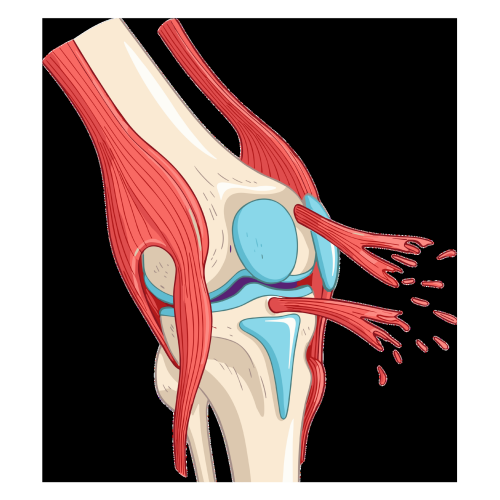
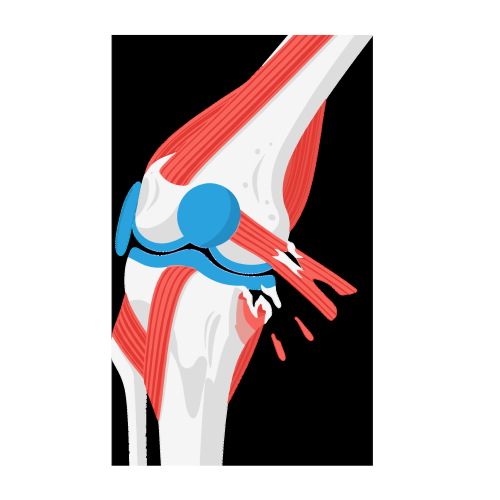
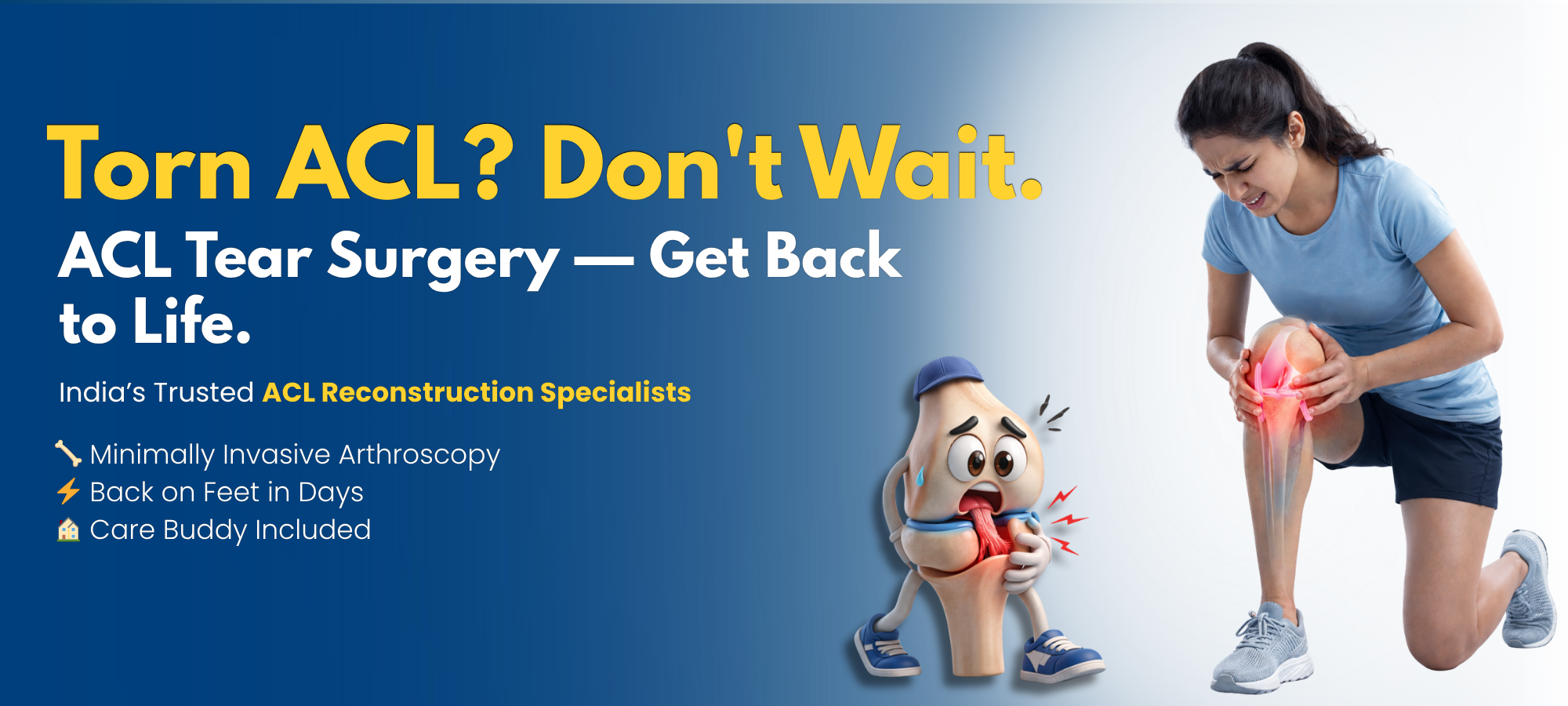
ACL (Anterior Cruciate Ligament) injuries are among the most common knee injuries, especially in athletes or active individuals. The ACL is a crucial ligament that stabilizes your knee joint, and when it’s torn or damaged, it can significantly affect your ability to walk, run, or perform daily activities.
At SurgiPartner, we offer advanced ACL treatment options, including minimally invasive arthroscopic ACL reconstruction, to restore full function, stability, and confidence in your knee.
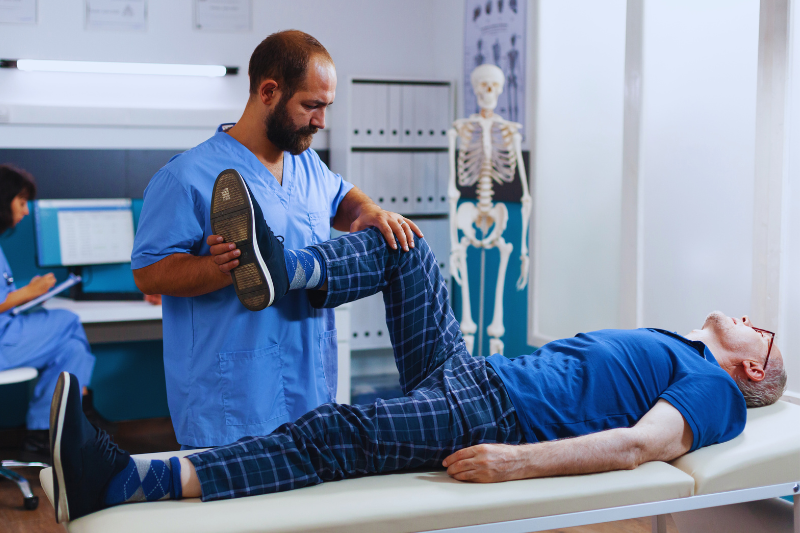
ACL Injury Treatment in Hyderabad Arthroscopic ACL Reconstruction
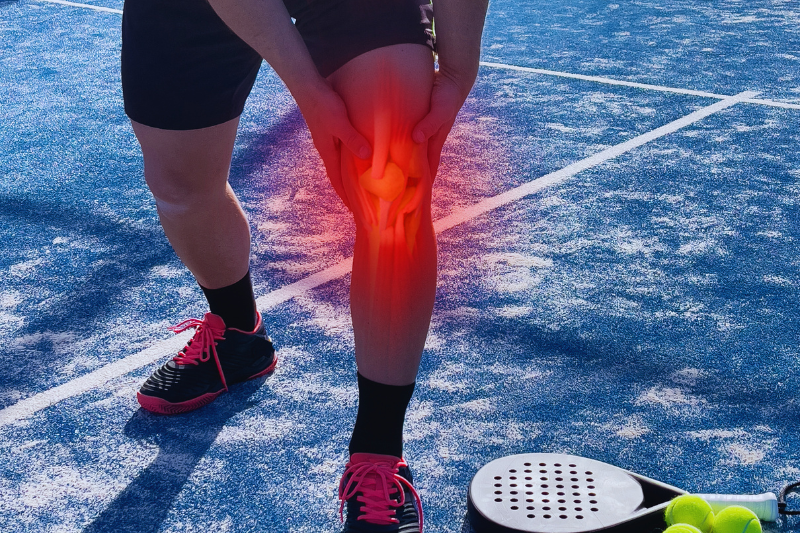
ACL (anterior cruciate ligament) injuries are among the most common and significant sports injuries, affecting athletes, active adults, and even non-athletic individuals who sustain a sudden twisting knee injury. SurgiPartner connects patients across Hyderabad with experienced sports medicine surgeons and knee specialists for comprehensive ACL evaluation, arthroscopic reconstruction, and structured rehabilitation helping patients return to full activity with confidence.
What Is the ACL and Why Is It Important?
The knee joint is stabilised by four major ligaments the ACL, PCL (posterior cruciate ligament), MCL (medial collateral ligament), and LCL (lateral collateral ligament). The anterior cruciate ligament (ACL) runs diagonally through the centre of the knee, connecting the femur (thigh bone) to the tibia (shin bone). Its primary functions are to prevent forward translation of the tibia on the femur, control rotational stability of the knee, and provide proprioceptive feedback (joint position sense).
The ACL is one of the most frequently injured knee ligaments, with approximately 200,000–250,000 ACL injuries occurring annually in India. It is particularly vulnerable during sports involving sudden direction changes, landing from jumps, pivoting, and deceleration such as cricket, football, badminton, basketball, and kabaddi.
How Does an ACL Tear Happen?
Approximately 70–80% of ACL tears occur without direct contact the ligament tears during non-contact mechanisms:
- Sudden deceleration stopping abruptly while running
- Pivoting or cutting rapid change of direction with the foot planted
- Landing from a jump landing with the knee in a vulnerable position (knees together, inward collapse)
- Hyperextension the knee bending backwards beyond its normal range
- Direct blow less common; contact mechanisms in collision sports
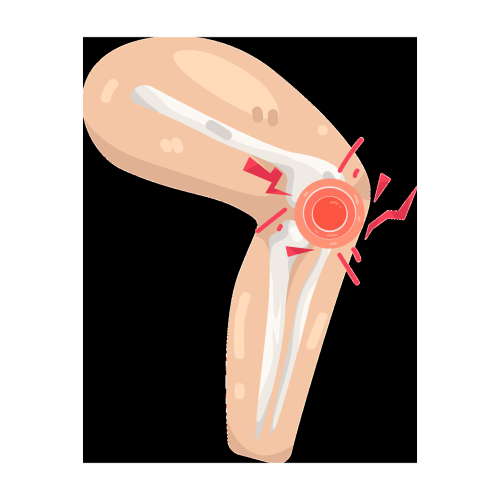
At the moment of ACL tear, patients typically hear a loud “pop”, feel immediate severe pain, experience rapid knee swelling within hours (haemarthrosis blood in the joint), and are unable to continue their activity. The knee may feel unstable or give way when trying to walk.

Grades of ACL Injury
| Grade | Description | Structural Integrity | Treatment |
|---|---|---|---|
| Grade 1 Sprain | Microscopic tears, ligament stretched but intact | Intact — some fibres damaged | Conservative — RICE, physiotherapy |
| Grade 2 Partial Tear | Significant fibre disruption, partial tear | Partially intact | Conservative or surgical depending on instability |
| Grade 3 Complete Tear | Complete rupture of ACL | No continuity | Surgical reconstruction for active patients |
Diagnosis of ACL Injury
- Clinical examination Lachman test (most sensitive, 85–98%), anterior drawer test, and pivot shift test assess anterior knee laxity and rotational instability
- MRI knee gold standard for confirming ACL tear, assessing associated injuries (meniscus tears, bone bruising, MCL injury), and grading the extent of damage
- X-ray excludes associated bony injuries; may show Segond fracture (pathognomonic of ACL tear) or lateral femoral notch sign
- Stress X-rays quantifies anterior tibial translation under controlled stress
ACL Treatment Options Who Needs Surgery?
Conservative Management (Non-Surgical)
Not all ACL tears require surgery. Conservative treatment is appropriate for: older, sedentary individuals with low activity demands; patients with partial ACL tears with preserved knee stability; young children in whom surgery may damage growth plates; and patients who accept modified activity levels and are willing to use a functional knee brace. Conservative treatment involves physiotherapy focusing on quadriceps and hamstring strengthening, neuromuscular training, proprioceptive exercises, and a functional brace for return to activity.
ACL Reconstruction Surgery Who Needs It?Surgical ACL reconstruction is recommended for: young and active patients who wish to return to pivoting sports; patients with persistent knee instability affecting daily activities; patients with combined injuries (ACL + meniscus tear or MCL tear); and patients whose conservative treatment has failed. The goal is to restore knee stability and prevent secondary damage to the menisci and articular cartilage that progressive instability causes.
ACL Reconstruction Surgical Technique
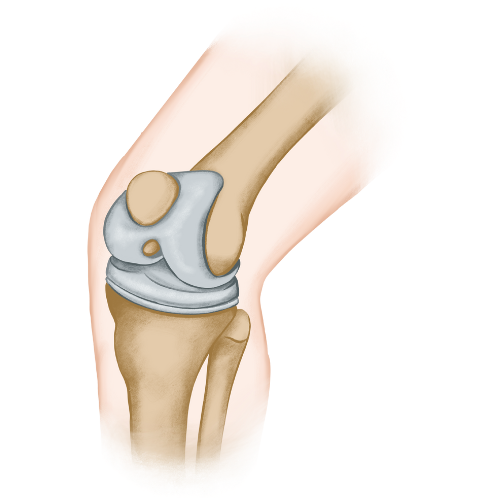
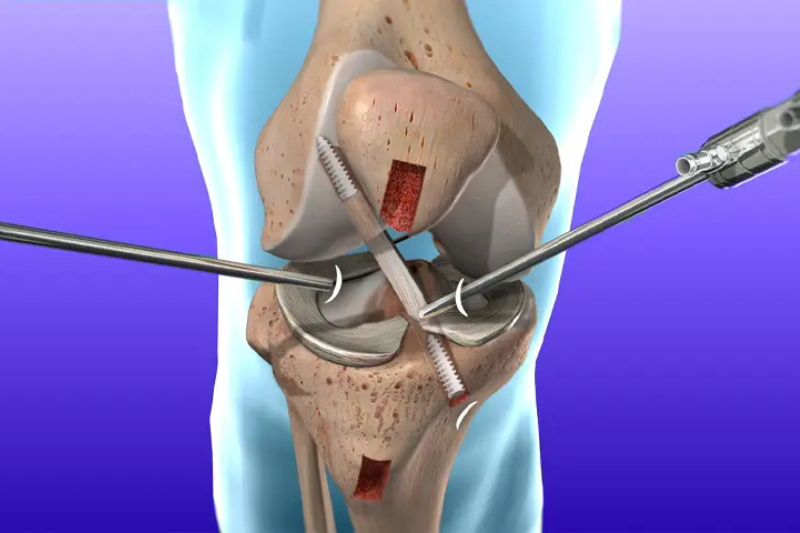
ACL reconstruction is performed arthroscopically through 2–3 small (1cm) incisions under general or spinal anaesthesia. The torn ACL is replaced with a tendon graft harvested from the patient’s own body (autograft) or from a donor (allograft). The graft is passed through bone tunnels drilled in the femur and tibia and fixed with screws or buttons, replicating the original ACL’s position and function.
Graft Choice — Which Is Best?
| Graft Type | Source | Strength | Advantages | Disadvantages |
|---|---|---|---|---|
| BPTB Bone–Patellar Tendon–Bone | Own patellar tendon | Highest | Gold standard for athletes; bone-to-bone healing | Anterior knee pain; donor site morbidity |
| Hamstring Gracilis + Semitendinosus | Own hamstring tendons | Very High | No anterior knee pain; cosmetically superior | Slightly longer biological integration |
| Quadriceps Tendon graft | Own quadriceps tendon | High | Large graft; suitable for large tunnels | Donor site weakness initially |
| Allograft | Donor (cadaveric) | Variable | No donor site; shorter surgery | Higher re-tear rate in young athletes; rare disease risk |
ACL Reconstruction Recovery — Phase by Phase
| Graft Type | Source | Strength | Advantages | Disadvantages |
|---|---|---|---|---|
|
BPTB Bone–Patellar Tendon–Bone | Own patellar tendon | Highest | Gold standard for athletes; bone-to-bone healing | Anterior knee pain; donor site morbidity |
|
Hamstring Gracilis + Semitendinosus | Own hamstring tendons | Very High | No anterior knee pain; cosmetically superior | Slightly longer biological integration |
|
Quadriceps Tendon graft | Own quadriceps tendon | High | Large graft; suitable for large tunnels | Donor site weakness initially |
| Allograft | Donor (cadaveric) | Variable | No donor site; shorter surgery | Higher re-tear rate in young athletes; rare disease risk |
The graft undergoes ligamentisation — a biological process of vascularisation and collagen remodelling — that takes 12–18 months to complete. Return to contact sport before 9 months significantly increases re-tear risk. SurgiPartner’s sports physiotherapy team provides structured rehabilitation from day one through full return to sport.
Frequently Asked Questions — ACL Injury Hyderabad
Why Choose SurgiPartner?
Choosing SurgiPartner means choosing expert care, advanced technology, and a commitment to restoring full mobility. Our approach to ACL Reconstruction Surgery helps athletes and active individuals regain knee stability, confidence, and performance.
01.
Experienced Sports Orthopedic Surgeons
Our skilled surgeons specialize in ACL reconstruction, ligament repair, and sports injury management, ensuring precision and faster return to activity.
02.
Arthroscopic & Minimally Invasive Techniques
We use keyhole surgical methods that reduce scarring, pain, and recovery time promoting faster joint healing
03.
Personalized Rehabilitation Programs
Each recovery plan is custom-designed with physiotherapists to restore flexibility, strength, and confidence step by step.
04.
Fast, Pain-Free Recovery
Most patients start walking within days and return to sports or active routines within a few months supported by guided rehab care.
Book Your Consultation
Take the first step toward stronger, more stable knees with SurgiPartner advanced ACL Reconstruction Surgery. Our specialists are here to guide you through a safe and effective recovery journey.
Get back in the game – that’s the SurgiPartner promise
View SurgiPartner on Google

Posted on Google
 saikiran challa
Trustindex verifies that the original source of the review is Google.
I am thoroughly impressed with the SurgiPartner model, which delivers integrated, end-to-end patient support across the healthcare continuum—from initial consultations to treatment and surgical interventions, where necessary. I recently availed their Care Buddy service for a consultation, and the experience was highly seamless, efficient, and professionally managed. The structured Care Buddy support, combined with well-aligned financial assistance processes, significantly enhances the overall patient journey. This holistic and patient-centric approach effectively streamlines access to quality healthcare, making it more efficient and convenient in today’s dynamic environment.Posted on Google vasantha kumari buggalaI’m really impressed with the SurgiPartner concept. They provide end-to-end patient support—from doctor consultations to treatment and even surgery when required. I personally used their Care Buddy service for a consultation, and it was a smooth and positive experience. The Care Buddy assistance, along with support in financial processes, makes healthcare much more convenient, especially in today’s fast-paced lifestyle.Posted on Google
 krishna nayakMy Brother Arun Kumar and krishna from Bangalore. We are travelled to Hyderabad for LASIK surgery, and today we successfully underwent the procedure at American Laser Eye Hospital. The surgery went very smoothly and I am feeling very good after the procedure. The hospital environment is very clean and well maintained. All the staff and doctors are very polite, supportive, and professional. A special thanks to SurgiPartner CareBuddy for guiding and helping me throughout the entire process. From the beginning till the end of the day, they were with us at every step and provided excellent support. Overall, I had a very good experience and I highly recommend American Laser Eye Hospital for LASIK surgery with SurgiPartner support.Posted on Google
 ManaswiReally impressed with the concept of SurgiPartner. They offer complete patient support from doctor consultation to treatment and surgery if needed. I personally took a consultation through their Care buddy, and it was a great experience. The care buddy system and help with financial processes make healthcare much easier, especially in today’s busy world.Posted on Google
 Arun NayakMy name is Arun Kumar and I am from Bangalore. I traveled to Hyderabad for LASIK surgery, and today I successfully underwent the procedure at American Laser Eye Hospital. The surgery went very smoothly and I am feeling very good after the procedure. The hospital environment is very clean and well maintained. All the staff and doctors are very polite, supportive, and professional. A special thanks to SurgiPartner CareBuddy for guiding and helping me throughout the entire process. From the beginning till the end of the day, they were with us at every step and provided excellent support. Overall, I had a very good experience and I highly recommend American Laser Eye Hospital for LASIK surgery with SurgiPartner supportPosted on Google
 Shankar S ShankruThank you for the support and service provided by SurgiPartner. The overall experience was smooth and the team was very helpful.Posted on Google
 Thejasree KStaff is very good and nice receiving. They are very humble and their response is very good. Thank youPosted on Google
 Srihari ReddyI want to thank Surgipartner for all the help and support during my LASIK surgery. From the beginning till the end, the team was very proactive with follow-ups and guided me clearly through every step, which made the whole experience easy and stress-free. I would especially like to appreciate CareBuddy Raju and Coordinator Anusha for their outstanding support. They were always in touch with both the hospital staff and me, helped reduce waiting time, and made sure everything went smoothly. Their care, quick responses, and constant guidance really made a big difference. Overall, I had a very positive experience and truly appreciate the support provided by Surgipartner.Verified by TrustindexTrustindex verified badge is the Universal Symbol of Trust. Only the greatest companies can get the verified badge who has a review score above 4.5, based on customer reviews over the past 12 months. Read more
How SurgiPartner Supports You — From First Call to Full Recovery
Follow your step-by-step guide to a successful surgery and recovery, with our expert team supporting you all the way.
Find Doctor & Hospital Support
Fill in your details and we'll call you back to confirm your slot.