Fibromyalgia / Widespread Pain
Fibromyalgia & Widespread Pain Treatment in Hyderabad
Fibromyalgia is a chronic, widespread musculoskeletal pain syndrome characterised by amplified pain processing, fatigue, sleep disturbance, cognitive difficulties (“fibro fog”), and a constellation of functional symptoms — affecting approximately 2–4% of the global population, with a strong predominance in women (7:1 female:male ratio). Despite its prevalence, fibromyalgia remains one of the most misunderstood, under-recognised, and stigmatised conditions in medicine — patients frequently experience diagnostic delays of 2–5 years and are told their pain is “all in their mind.” SurgiPartner’s pain management specialists in Hyderabad provide compassionate, evidence-based fibromyalgia diagnosis and comprehensive treatment.
What Is Fibromyalgia? — The Science of Central Sensitisation
Fibromyalgia is a disorder of central pain amplification — not a primary musculoskeletal disease, not a psychiatric disorder, and not a product of imagination. The fundamental mechanism is central sensitisation: the central nervous system (spinal cord and brain) becomes hypersensitive to pain signals, amplifying normal sensory inputs into painful experiences and generating pain from stimuli that would not be painful in a healthy individual. This explains why:
- Fibromyalgia pain is widespread (not localised to one body region) — the sensitisation affects the entire pain processing system
- Normal pressure applied to the skin causes pain (allodynia) in fibromyalgia patients — the pressure is transmitted through normal peripheral nerves but amplified centrally
- Standard analgesics (paracetamol, NSAIDs, opioids) provide little benefit — they act peripherally and do not address the central amplification mechanism
- Non-painful stimuli (bright lights, loud sounds, cold temperatures) can trigger or worsen fibromyalgia pain — sensory amplification extends beyond pain to all sensory modalities
Diagnosis of Fibromyalgia — 2016 ACR Diagnostic Criteria
The 2016 American College of Rheumatology (ACR) criteria replaced the older tender point examination with a more clinically practical and reliable scoring system. Fibromyalgia is diagnosed when ALL three of the following conditions are met:
- Widespread Pain Index (WPI) ≥7 + Symptom Severity Scale (SSS) ≥5, OR WPI 4–6 + SSS ≥9
- Symptoms have been present at a similar level for at least 3 months
- The diagnosis is not better explained by another diagnosis (fibromyalgia CAN coexist with other conditions — having OA does not exclude fibromyalgia)
The WPI maps pain in 19 regions over the previous week. The SSS scores fatigue severity, waking unrefreshed, and cognitive symptoms (0–3 each) plus the extent of somatic symptoms (headache, lower abdominal pain, depression). Fibromyalgia is a positive diagnosis based on clinical criteria — not a diagnosis of exclusion (the common misconception that “everything else must be normal” is incorrect and leads to years of unnecessary investigations).
Fibromyalgia Symptoms — The Complete Spectrum
| Symptom Domain | Clinical Features | Prevalence in Fibromyalgia |
|---|---|---|
| Widespread pain | Pain in multiple body regions (above and below the waist; left and right sides; axial — neck/back); often migratory; pain descriptors: burning, aching, sharp, gnawing; typically rated 5–8/10 | 100% (defining feature) |
| Fatigue | Persistent, profound fatigue disproportionate to activity; post-exertional malaise (significant worsening after physical or mental exertion) | 90–95% |
| Non-restorative sleep | Difficulty falling asleep; multiple night awakenings; waking unrefreshed; alpha–delta sleep anomaly (light sleep intrudes into deep sleep stages on polysomnography) | 90% |
| Cognitive dysfunction ("fibro fog") | Impaired concentration, short-term memory difficulties, word-finding problems, slowed processing speed; often the symptom most impacting work performance | 70–80% |
| Headaches | Chronic daily headache, migraine, tension headache — significantly more prevalent than in the general population; often refractory to standard headache treatments | 50–60% |
| IBS and bowel symptoms | Abdominal cramping, bloating, altered bowel habit — IBS coexists in 40–70% of fibromyalgia patients; same central sensitisation mechanism affects gut visceral pain processing | 40–70% |
| Anxiety and depression | Major depression in 30–40%; anxiety disorders in 30%; bidirectional — psychological distress amplifies central sensitisation and fibromyalgia symptoms amplify psychological distress | 30–40% |
| Allodynia and hyperalgesia | Touch allodynia (gentle stroking of skin causes pain), pressure hyperalgesia (firm pressure causes disproportionate pain); confirmed by quantitative sensory testing (QST) in research settings | 80–90% |
Evidence-Based Treatment of Fibromyalgia
Education and Self-Management — The Most Important First Step
Explaining the neurobiological mechanisms of fibromyalgia — particularly the concept of central sensitisation — to patients is itself a powerful therapeutic intervention. Understanding that their pain is real but is generated by an overactive pain processing system (rather than tissue damage) fundamentally changes the patient’s relationship with their pain, reduces catastrophising, and increases engagement with active treatments (exercise, CBT) that are the most effective long-term strategies. Pain neuroscience education (PNE) programmes systematically deliver this understanding and are associated with significant improvements in pain, function, and psychological wellbeing.
Exercise — The Most Evidence-Based Intervention
Aerobic exercise and strength training are the most robustly evidence-based interventions for fibromyalgia — with Level I evidence from multiple systematic reviews and meta-analyses. Exercise reduces central sensitisation by increasing endogenous opioid, serotonin, and noradrenaline activity; improves sleep quality; reduces depression and anxiety; and improves physical function. Key principles: start very low intensity and progress very gradually (the “start low, go slow” principle — aggressive exercise worsening causes post-exertional malaise in fibromyalgia); aim for 30 minutes of moderate aerobic exercise (swimming, walking, water aerobics, cycling) 3× per week; add gradual resistance training. Hydrotherapy (warm pool exercise) is particularly well-tolerated and effective for fibromyalgia.
Cognitive Behavioural Therapy (CBT) and Psychological Support
CBT for fibromyalgia specifically targets pain catastrophising, activity avoidance, and the vicious cycle of pain → fear → avoidance → deconditioning → increased pain. Multiple RCTs demonstrate significant and lasting improvements in pain, function, and quality of life from CBT for fibromyalgia. Acceptance and Commitment Therapy (ACT) and mindfulness-based stress reduction (MBSR) also have evidence supporting their use. Sleep-focused CBT (CBT-I) addresses the non-restorative sleep that perpetuates fibromyalgia through a specific protocol addressing sleep hygiene, stimulus control, and sleep restriction.
Pharmacological Treatment
Duloxetine (Cymbalta) — SNRI that increases serotonin and noradrenaline activity in descending pain inhibitory pathways; FDA-approved for fibromyalgia; reduces pain scores by 30–50% in clinical trials; also benefits mood and fatigue. Starting dose 30mg daily, titrating to 60–120mg daily. Most useful when comorbid depression is present.
Pregabalin (Lyrica) / Gabapentin — voltage-gated calcium channel alpha-2-delta modulators; FDA-approved for fibromyalgia; reduce central pain hypersensitivity; pregabalin 150–450mg/day in divided doses. Side effects: weight gain, sedation, dizziness, peripheral oedema. Effective for sleep improvement alongside pain reduction.
Low-dose amitriptyline (10–50mg nightly) — improves sleep architecture, reduces pain, and benefits fatigue at doses far below those used for depression. Most cost-effective first-line medication for fibromyalgia in India.
Tramadol — weak opioid with SNRI activity; modest evidence for fibromyalgia pain; used for breakthrough pain at low doses. Standard strong opioids (morphine, oxycodone) are not recommended for fibromyalgia — they provide little benefit and carry significant long-term risks including opioid-induced hyperalgesia (worsening of central sensitisation).
Cyclobenzaprine (muscle relaxant/TCA derivative) — 5–10mg nightly; improves sleep and reduces muscle pain; low-dose short-term use is beneficial.
Trigger Point Injections
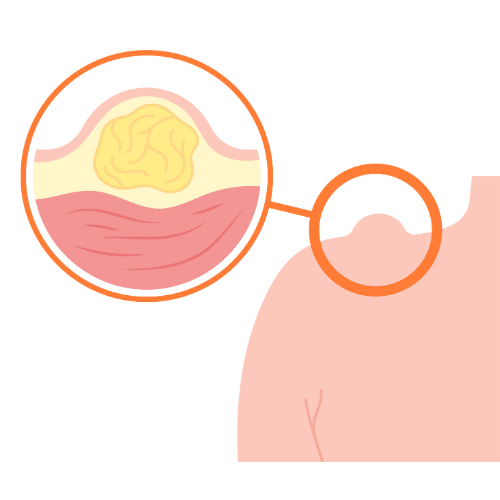
While fibromyalgia is a central pain syndrome, many patients have identifiable myofascial trigger points (discrete, hyperirritable nodules in taut bands of skeletal muscle) that contribute to their localised pain and referred pain patterns. Trigger point injections (local anaesthetic ± corticosteroid) into specific active trigger points provide regional pain relief that complements systemic treatment. “Dry needling” (insertion of an acupuncture-like needle without injection) has comparable efficacy to injection for trigger point pain.
💡 SurgiPartner’s fibromyalgia message:
Fibromyalgia is a real, recognised, neurobiological condition — not a psychological diagnosis, not a fabrication, and not untreatable. With the right combination of education, exercise, psychological support, and targeted medications, significant improvement in quality of life is achievable. Call +91 9030053009 for a compassionate, comprehensive fibromyalgia assessment in Hyderabad.
Frequently Asked Questions — Fibromyalgia Treatment Hyderabad
Fibromyalgia diagnosis and treatment in India is covered under outpatient consultation benefits of health insurance plans. Medications (amitriptyline, duloxetine, pregabalin) are covered under the pharmacy/medication benefits. Physiotherapy and hydrotherapy may be covered under specific plans with rehabilitation benefits. Psychological therapy (CBT) is increasingly covered under mental health benefits. Trigger point injections as a procedure may be covered under surgical benefits. The key for insurance purposes is using the correct diagnostic code (ICD-10: M79.7 — Fibromyalgia) in clinical documentation. SurgiPartner's team provides complete clinical documentation for insurance claims — call +91 9030053009 for a comprehensive fibromyalgia assessment in Hyderabad.
Why Choose SurgiPartner?
Choosing SurgiPartner means choosing expert care, advanced technology, and a commitment to restoring full mobility. Our approach to ACL Reconstruction Surgery helps athletes and active individuals regain knee stability, confidence, and performance.
01.
Experienced Sports Orthopedic Surgeons
Our skilled surgeons specialize in ACL reconstruction, ligament repair, and sports injury management, ensuring precision and faster return to activity.
02.
Advanced Arthroscopic & Minimally Invasive Techniques
We use keyhole surgical methods that reduce scarring, pain, and recovery time promoting faster joint healing
03.
Personalized Rehabilitation Programs
Each recovery plan is custom-designed with physiotherapists to restore flexibility, strength, and confidence step by step.
04.
Fast, Pain-Free Recovery
Most patients start walking within days and return to sports or active routines within a few months supported by guided rehab care.
Request a Consultation
Take the first step toward stronger, more stable knees with SurgiPartner advanced ACL Reconstruction Surgery. Our specialists are here to guide you through a safe and effective recovery journey.
Get back in the game – that’s the SurgiPartner promise
View SurgiPartner on Google

Posted on Google
 saikiran challa
Trustindex verifies that the original source of the review is Google.
I am thoroughly impressed with the SurgiPartner model, which delivers integrated, end-to-end patient support across the healthcare continuum—from initial consultations to treatment and surgical interventions, where necessary. I recently availed their Care Buddy service for a consultation, and the experience was highly seamless, efficient, and professionally managed. The structured Care Buddy support, combined with well-aligned financial assistance processes, significantly enhances the overall patient journey. This holistic and patient-centric approach effectively streamlines access to quality healthcare, making it more efficient and convenient in today’s dynamic environment.Posted on Google vasantha kumari buggalaI’m really impressed with the SurgiPartner concept. They provide end-to-end patient support—from doctor consultations to treatment and even surgery when required. I personally used their Care Buddy service for a consultation, and it was a smooth and positive experience. The Care Buddy assistance, along with support in financial processes, makes healthcare much more convenient, especially in today’s fast-paced lifestyle.Posted on Google
 krishna nayakMy Brother Arun Kumar and krishna from Bangalore. We are travelled to Hyderabad for LASIK surgery, and today we successfully underwent the procedure at American Laser Eye Hospital. The surgery went very smoothly and I am feeling very good after the procedure. The hospital environment is very clean and well maintained. All the staff and doctors are very polite, supportive, and professional. A special thanks to SurgiPartner CareBuddy for guiding and helping me throughout the entire process. From the beginning till the end of the day, they were with us at every step and provided excellent support. Overall, I had a very good experience and I highly recommend American Laser Eye Hospital for LASIK surgery with SurgiPartner support.Posted on Google
 ManaswiReally impressed with the concept of SurgiPartner. They offer complete patient support from doctor consultation to treatment and surgery if needed. I personally took a consultation through their Care buddy, and it was a great experience. The care buddy system and help with financial processes make healthcare much easier, especially in today’s busy world.Posted on Google
 Arun NayakMy name is Arun Kumar and I am from Bangalore. I traveled to Hyderabad for LASIK surgery, and today I successfully underwent the procedure at American Laser Eye Hospital. The surgery went very smoothly and I am feeling very good after the procedure. The hospital environment is very clean and well maintained. All the staff and doctors are very polite, supportive, and professional. A special thanks to SurgiPartner CareBuddy for guiding and helping me throughout the entire process. From the beginning till the end of the day, they were with us at every step and provided excellent support. Overall, I had a very good experience and I highly recommend American Laser Eye Hospital for LASIK surgery with SurgiPartner supportPosted on Google
 Shankar S ShankruThank you for the support and service provided by SurgiPartner. The overall experience was smooth and the team was very helpful.Posted on Google
 Thejasree KStaff is very good and nice receiving. They are very humble and their response is very good. Thank youPosted on Google
 Srihari ReddyI want to thank Surgipartner for all the help and support during my LASIK surgery. From the beginning till the end, the team was very proactive with follow-ups and guided me clearly through every step, which made the whole experience easy and stress-free. I would especially like to appreciate CareBuddy Raju and Coordinator Anusha for their outstanding support. They were always in touch with both the hospital staff and me, helped reduce waiting time, and made sure everything went smoothly. Their care, quick responses, and constant guidance really made a big difference. Overall, I had a very positive experience and truly appreciate the support provided by Surgipartner.Verified by TrustindexTrustindex verified badge is the Universal Symbol of Trust. Only the greatest companies can get the verified badge who has a review score above 4.5, based on customer reviews over the past 12 months. Read more
How SurgiPartner Supports You — From First Call to Full Recovery
Follow your step-by-step guide to a successful surgery and recovery, with our expert team supporting you all the way.
Find Doctor & Hospital Support
Fill in your details and we'll call you back to confirm your slot.