Natural Shape • Proportional Volume • Long-Lasting Results
Enhance Your Confidence with SurgiPartner Advanced Breast Augmentation Surgery
Breast Augmentation in Hyderabad — Silicone Implants, Fat Transfer
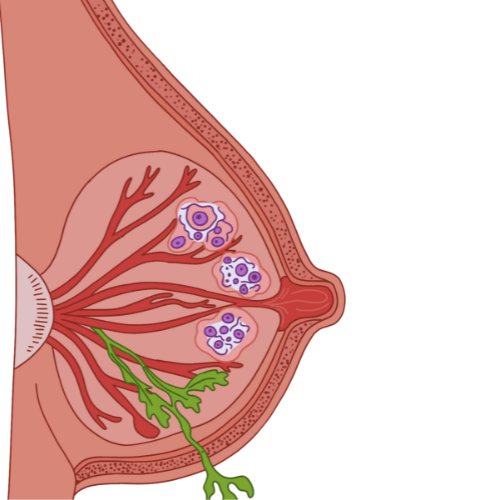
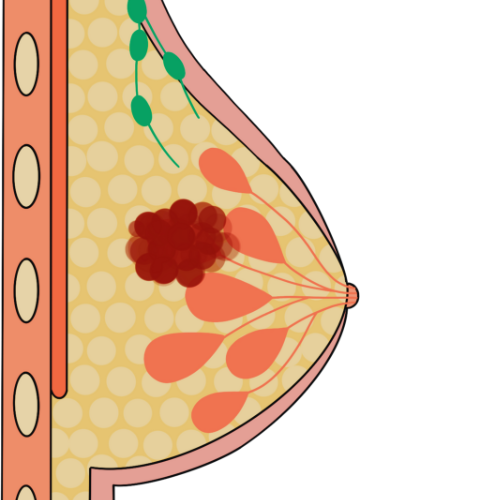
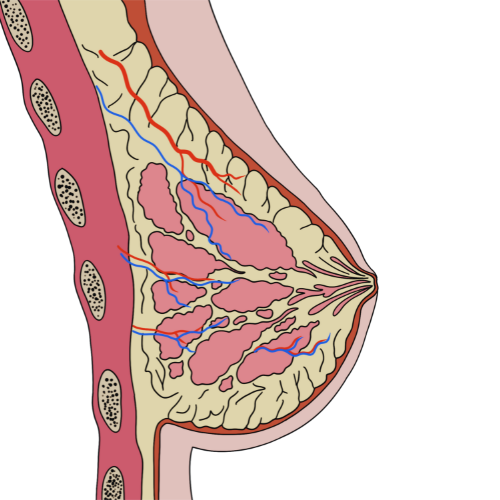
Breast augmentation — also known as augmentation mammoplasty — is one of the most frequently performed aesthetic surgery procedures worldwide. It enhances breast size, restores volume lost after pregnancy or weight loss, corrects congenital asymmetry, and improves body proportion and self-confidence. When performed by an experienced plastic surgeon with correct patient selection, appropriate implant choice, and meticulous technique, the results are natural-looking, long-lasting, and highly satisfying. SurgiPartner connects women in Hyderabad with board-qualified plastic surgeons for breast augmentation with complete privacy, 3D pre-operative simulation, and transparent pricing.
🌸 All breast surgery consultations at SurgiPartner are conducted in complete privacy by board-qualified plastic surgeons. Female Care Buddy available for every appointment and on surgery day.


Who Is a Good Candidate for Breast Augmentation?
- Women who are unhappy with naturally small breast size relative to their body frame (hypomastia or micromastia)
- Women who have experienced significant volume loss after pregnancy and breastfeeding — deflated appearance with skin laxity insufficient to warrant mastopexy but enough to benefit from volume restoration
- Women with congenital breast asymmetry — significant difference in size or shape between the two breasts
- Women with tuberous breast deformity — a congenital condition causing a narrow breast base, herniated areola, and constricted lower pole
- Women who have undergone mastectomy for breast cancer — implant-based breast reconstruction (using tissue expanders and then permanent implants, or direct implant placement)
- Transgender women — as part of gender-affirming surgery
- Age ≥18 years (saline implants FDA-cleared for ≥18; silicone implants FDA-cleared for ≥22 years in USA; Indian regulatory guidance follows similar principles)
- Non-smoker or willing to stop for 6 weeks before and 6 weeks after surgery
- At a stable, comfortable weight — not planning significant weight change after surgery
- Realistic expectations — understanding that augmentation changes breast size and projection but does not address sagging (ptosis) without a concurrent lift
Implant Types — Comprehensive Overview
Silicone Cohesive Gel Implants (Overwhelmingly Preferred in India)
Modern breast implants contain a highly cohesive silicone gel — cross-linked silicone that maintains its shape and does not flow if the implant shell is disrupted. This “gummy bear” consistency closely mimics the feel of natural breast tissue and is far more natural than older generation liquid silicone. Silicone implants are available in round and anatomical (teardrop) shapes.
- Round silicone implants — symmetrical in all orientations; cannot rotate (no consequence even if they do); provide upper pole fullness and visible cleavage; most commonly used globally. Available in different projection profiles: low (natural), moderate, high, and ultra-high — higher projection creates more forward protrusion with the same base width.
- Anatomical (teardrop/shaped) implants — more fullness in the lower pole, less in the upper pole; mimics the natural teardrop shape of the breast; associated with a more natural appearance particularly in thin patients with minimal existing tissue. Must not rotate as rotation produces asymmetry — requires surface texturing (associated with BIA-ALCL risk) or placement in a precise pocket. Currently less commonly used due to BIA-ALCL concerns with textured surfaces.
Surface Texture — Smooth vs Textured
This is currently the most clinically significant distinction in implant selection:
- Smooth implants — move freely within the pocket; lower capsular contracture rates in subglandular placement; NOT associated with BIA-ALCL (breast implant-associated anaplastic large cell lymphoma). The overwhelmingly preferred choice at SurgiPartner partner hospitals in Hyderabad.
- Macro-textured implants (Biocell, Siltex heavy texturing) — associated with BIA-ALCL; macro-textured Allergan Biocell implants were recalled globally in 2019. These implants should not be used. Women who have previously received macro-textured implants should be informed and monitored.
- Micro-textured implants — very fine surface texture; significantly lower BIA-ALCL signal than macro-textured but higher than smooth; being phased out of use at most specialist centres.
Implant Size — Volume, Profile, and Base Width
Implant size is specified in cubic centimetres (cc) of volume — not bra cup size, which varies significantly by brand and country. The most important measurement in implant selection is the breast base width — the width of the breast from the medial to lateral extent, measured with callipers. The implant base diameter should match the breast base width — an implant wider than the breast base causes lateral implant show; an implant narrower than the base leaves the lateral breast empty.
Once the appropriate base diameter is established, the surgeon and patient choose the projection profile (how far forward the implant projects relative to its base width) — determining the final cc volume. The combination of base width + projection profile determines the implant volume — not the other way around.
Implant Placement — Subglandular, Submuscular, and Dual Plane
| Placement | Location | Advantages | Disadvantages | Best For |
|---|---|---|---|---|
| Subglandular | Beneath breast gland, above pectoral muscle | Natural movement; no animation deformity; faster recovery; easier submuscular revision access | Higher capsular contracture rate; visible rippling in thin patients; inadequate coverage if native tissue thin | Women with adequate native breast tissue (>2cm pinch test); ptosis correction; older patients with minimal exercise |
| Submuscular (complete) | Fully beneath pectoral major | Excellent coverage; lower capsular contracture rate; better mammography access | Animation deformity (implant distortion with pec contraction); longer recovery; more post-op pain; unnatural appearance in lower pole | Now rarely used — largely replaced by dual plane |
| Dual plane |
Upper pole: submuscular. Lower pole: subglandular | Best of both placements: muscle coverage for upper pole definition; natural lower pole fill; lower capsular contracture; less animation deformity than full submuscular | Technically more complex; precise pocket creation required | Most patients — now the most commonly used technique at specialist centres |
| Subfascial | Beneath pectoral fascia only (above the muscle) | Slightly more coverage than subglandular; less animation than submuscular; natural movement | Limited additional coverage vs subglandular; not universally adopted | Some Asian augmentation surgeons prefer this; thin patients with inadequate tissue for subglandular |


Incision Options
- Inframammary fold (IMF) incision — 3–5cm incision in the natural crease beneath the breast; direct access; best visualisation; most precise pocket creation; lowest complication rate; incision hidden within the breast fold. Preferred approach at SurgiPartner partner hospitals.
- Periareolar incision — semicircular at the lower areola border; scar at the areola edge; risk of ductal disruption affecting breastfeeding; higher bacterial contamination rate (breast flora around the nipple); slightly higher capsular contracture risk
- Transaxillary (armpit) incision — endoscopic insertion through the axilla; no breast scar; limited visibility for precise pocket creation; higher revision rate; longer incision in the axilla
- TUBA (transumbilical) — through the navel; very limited vision; can only place saline implants (filled after insertion); high revision rate; not commonly used
BIA-ALCL — What Every Patient Must Know
Breast Implant-Associated Anaplastic Large Cell Lymphoma (BIA-ALCL) is a rare type of lymphoma (not breast cancer) that develops in the fluid or scar tissue around a breast implant. It is strongly associated with macro-textured implants (particularly Allergan Biocell which was recalled in 2019) — the risk with smooth implants is negligible to absent in current evidence. Cumulative risk with macro-textured implants: approximately 1 in 2,000–10,000. With smooth implants: estimated <1 in 1,000,000.
Symptoms suggesting BIA-ALCL: sudden, painless unilateral breast swelling (seroma) developing 3+ years after implant placement. Investigation: ultrasound-guided aspiration of the seroma with cytological assessment. Treatment: surgical removal of the implant and complete capsulectomy (capsule removal) is curative in the vast majority of cases when diagnosed early. BIA-ALCL is NOT a reason to remove asymptomatic smooth implants — it IS a reason to avoid macro-textured implants and to use smooth implants exclusively — which SurgiPartner’s partner surgeons do.
Fat Transfer Breast Augmentation — Complete Overview
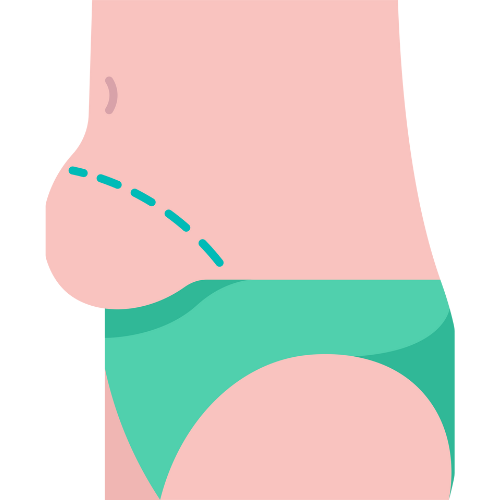
Autologous fat grafting (lipofilling) to the breasts uses the patient’s own fat — harvested from the abdomen, flanks, inner thighs, or back by tumescent liposuction — purified and concentrated, then injected into the breast tissue and subcutaneous plane. The procedure provides natural breast volume increase without implants, with simultaneous body contouring from the donor site.
Realistic volume expectations: Fat transfer augmentation reliably achieves a 1–1.5 cup size increase per session. 30–40% of transferred fat resorbs in the first 3–6 months — the surgeon overfills by this amount to compensate. Results stabilise at 6 months and remaining grafted fat is permanent.
Best candidates for fat transfer augmentation: Women wanting moderate, natural-feeling augmentation (not large volume increase); women with adequate donor site fat; women with breast asymmetry (fat transfer to the smaller side); women who want the dual benefit of body contouring + breast enhancement; women who specifically want to avoid implants; women requiring small volume fill after implant removal.
Frequently Asked Questions — Breast Augmentation Hyderabad
Yes — modern silicone cohesive gel breast implants used in India are safe, CE-marked and CDSCO-approved devices that have undergone extensive long-term clinical evaluation. The cohesive ("gummy bear") gel does not migrate from the implant shell if it is disrupted. The most important current safety consideration is to use exclusively smooth-surfaced implants — avoiding macro-textured implants that are associated with BIA-ALCL (a rare lymphoma). SurgiPartner's partner hospitals exclusively use smooth, round, cohesive silicone gel implants from established, regulatory-approved manufacturers (Mentor, Motiva, Polytech, or equivalent). All implants carry individual serial numbers for lifelong tracking. The routine safety guidelines post-implant include: annual self-examination for sudden swelling, MRI surveillance every 5–10 years for implant integrity assessment, and prompt evaluation of any new breast changes. Call +91 9030053009 for a detailed safety discussion.
Choosing the right implant size is one of the most important decisions in breast augmentation — and one of the most common sources of dissatisfaction when done incorrectly. The correct approach begins with measuring your breast base width with callipers — this determines the maximum appropriate implant base diameter for your chest. Within the appropriate base diameter range, you then choose the projection profile (low, moderate, high, or ultra-high) based on how much forward projection you want — this determines the final cc volume. 3D computer imaging simulation (Crisalix or Vectra) allows you to preview the expected result with different implant sizes before committing to surgery. Trying on implant sizers in a fitted sports bra during the consultation also provides a realistic preview. The goal is an implant sized to YOUR anatomy — not a specific cup size number, which varies too much between brands to be a reliable target. SurgiPartner's surgeons use all of these tools at the pre-operative consultation — call +91 9030053009 to book a 3D simulation session in Hyderabad.
Modern silicone cohesive gel implants do not have a mandatory replacement schedule or an expiry date. They are designed to be lifetime devices. Replacement is only necessary if a complication develops — specifically capsular contracture (hardening), implant rupture, visible implant displacement, or personal preference for a size change. The cumulative rupture rate for modern implants is approximately 1% per year — meaning at 10 years, approximately 10% of implants may have some degree of shell compromise, though many are clinically silent (intracapsular rupture). The "replace every 10 years" recommendation is outdated — current guidelines recommend replacement only for symptomatic complications or confirmed rupture on imaging, not routinely. Surveillance MRI every 5–10 years is recommended to assess implant integrity in asymptomatic women. Call SurgiPartner on +91 9030053009 for implant follow-up assessment in Hyderabad.
Capsular contracture is the most common long-term complication of breast augmentation — occurring in approximately 5–15% of augmentation patients over 10 years. It refers to the abnormal hardening and tightening of the fibrous capsule that normally forms around any implant. As the capsule contracts, it compresses the implant — causing firmness, shape distortion, discomfort, and eventually significant pain and aesthetic deformity (Baker Grades III–IV). Prevention strategies that reduce capsular contracture risk include: exclusive use of smooth implants (lower contracture rate than textured); dual plane or submuscular placement; meticulous implant handling (minimal skin contact, Keller funnel insertion); use of antibiotic irrigant in the pocket; pocket irrigation with povidone-iodine; post-operative implant massage (controversial but widely practised); and early identification and treatment of subclinical infection. Treatment for symptomatic contracture: open capsulectomy (complete removal of the capsule) with implant exchange — this effectively resets the process, though contracture can recur. Call SurgiPartner on +91 9030053009 for assessment of existing capsular contracture.
Yes — the majority of women can breastfeed after breast augmentation with implants, particularly when the inframammary fold (under-breast) incision is used for implant placement. This incision is distant from the ductal system and does not disrupt milk-producing tissue. The periareolar incision carries a higher risk of ductal disruption and is associated with a modestly lower breastfeeding success rate. The implant itself — regardless of placement (subglandular, dual plane, or submuscular) — does not enter the breast glandular tissue and does not contact milk-producing structures. Studies show breastfeeding rates after augmentation are slightly lower than in the general population but the majority of women successfully lactate. If future breastfeeding is an important priority, discuss incision site selection and implant placement with your SurgiPartner plastic surgeon before surgery — call +91 9030053009.
Breast augmentation recovery: Days 1–3: most uncomfortable period — chest tightness (especially submuscular placement where the pectoralis muscle is stretched), moderate soreness managed with prescribed analgesia. Days 3–5: most patients are mobile and managing light activities. Week 1–2: return to desk work; avoid driving for 7–10 days. Week 4: transition from surgical bra to underwire bra; light lower-body exercise permitted. Week 6: upper body gym work and impact exercise resumed. Month 1–3: "Dropping and fluffing" — implants gradually descend from their initially high position into their final, natural resting position as the pectoral muscle (in submuscular placement) stretches and relaxes; the result continues to improve during this period. Month 3: 80–90% of the final result visible. Month 6: Final result assessed and photographed. Most patients are very pleasantly surprised by how quickly they feel comfortable and by how natural the result looks at 3–6 months.
Round implants have the same projection throughout their circumference — they create fullness evenly in the upper and lower breast poles. When a woman is upright, the natural shape of the breast (with more fullness in the lower pole) is created by gravity acting on the round implant. Round implants cannot rotate harmfully — even if they spin in the pocket, the result looks the same. They are available in multiple projection profiles (low to ultra-high). Anatomical (teardrop/shaped) implants have more fullness in the lower pole and less in the upper, mimicking the natural teardrop breast shape when standing. They are intended to create a more subtle, natural appearance — particularly appropriate for thin patients who want to avoid the "round, artificial look." The critical disadvantage is that anatomical implants must not rotate, as rotation creates visible breast asymmetry — this has historically required macro-texturing to hold position in the pocket, which carries BIA-ALCL risk. Modern approaches using smooth anatomical implants with precise pocket creation are emerging but not yet mainstream. For most patients, smooth round implants in dual plane placement provide excellent, natural, safe results — call SurgiPartner on +91 9030053009 for a personalised implant recommendation.
No — multiple large-scale, long-term epidemiological studies have consistently confirmed that breast implants do not increase the risk of breast cancer. This includes multiple Cochrane reviews and studies involving over 10,000 women followed for 10+ years. However, breast implants may make mammographic screening slightly more technically challenging — as implants partially obscure breast tissue on standard views. Radiographers use additional Eklund displacement views (pushing the implant back against the chest wall) to maximise tissue visualisation during mammography. Women with implants should continue standard breast cancer screening at the recommended schedule and inform their mammographer about their implants. Breast MRI (which provides excellent soft tissue visualisation and can assess implant integrity simultaneously) is increasingly used for surveillance in women with implants who are at elevated breast cancer risk. Call SurgiPartner on +91 9030053009 for any breast health concerns.
Breast augmentation cost in Hyderabad ranges from ₹1,20,000 to ₹2,80,000 for implant-based augmentation, depending on implant brand and volume, surgical technique, surgeon experience, and hospital facility. Implant-specific costs: Mentor, Motiva, or Polytech CE-certified implants (pair) cost ₹35,000–₹70,000 depending on size and brand. The remaining cost covers surgical team, anaesthesia, hospital day-care or overnight stay, surgical bra, post-operative medication, and follow-up appointments. Fat transfer augmentation: ₹1,00,000–₹2,00,000 depending on donor site liposuction volume and areas treated. Combined augmentation mastopexy (implants + lift): ₹2,00,000–₹3,80,000. As a cosmetic procedure, breast augmentation is not covered by health insurance in India. SurgiPartner provides complete, transparent all-inclusive pricing after clinical assessment — no hidden charges. Call +91 9030053009 for a free private consultation and 3D simulation in Hyderabad.
Why Choose SurgiPartner for Breast Augmentation?
Choosing SurgiPartner means choosing aesthetic excellence combined with patient-centric care.
01.
Expert Plastic Surgeons
Highly trained cosmetic surgeons with extensive experience in breast enhancement procedures.
02.
Advanced Implant Technology
Use of FDA-approved silicone and saline implants for safety and durability.
03.
Customized Aesthetic Planning
Personalized treatment plans tailored to body type, goals, and lifestyle.
04.
Complete Post-Op Care
Dedicated follow-ups, recovery guidance, and long-term support.
Request a Consultation
Take the first step toward relief from abdominal pain with SurgiPartner Advanced Appendectomy Surgery.
Live free from pain and discomfort that’s the SurgiPartner promise.
View SurgiPartner on Google

Posted on Google
 saikiran challa
Trustindex verifies that the original source of the review is Google.
I am thoroughly impressed with the SurgiPartner model, which delivers integrated, end-to-end patient support across the healthcare continuum—from initial consultations to treatment and surgical interventions, where necessary. I recently availed their Care Buddy service for a consultation, and the experience was highly seamless, efficient, and professionally managed. The structured Care Buddy support, combined with well-aligned financial assistance processes, significantly enhances the overall patient journey. This holistic and patient-centric approach effectively streamlines access to quality healthcare, making it more efficient and convenient in today’s dynamic environment.Posted on Google vasantha kumari buggalaI’m really impressed with the SurgiPartner concept. They provide end-to-end patient support—from doctor consultations to treatment and even surgery when required. I personally used their Care Buddy service for a consultation, and it was a smooth and positive experience. The Care Buddy assistance, along with support in financial processes, makes healthcare much more convenient, especially in today’s fast-paced lifestyle.Posted on Google
 krishna nayakMy Brother Arun Kumar and krishna from Bangalore. We are travelled to Hyderabad for LASIK surgery, and today we successfully underwent the procedure at American Laser Eye Hospital. The surgery went very smoothly and I am feeling very good after the procedure. The hospital environment is very clean and well maintained. All the staff and doctors are very polite, supportive, and professional. A special thanks to SurgiPartner CareBuddy for guiding and helping me throughout the entire process. From the beginning till the end of the day, they were with us at every step and provided excellent support. Overall, I had a very good experience and I highly recommend American Laser Eye Hospital for LASIK surgery with SurgiPartner support.Posted on Google
 ManaswiReally impressed with the concept of SurgiPartner. They offer complete patient support from doctor consultation to treatment and surgery if needed. I personally took a consultation through their Care buddy, and it was a great experience. The care buddy system and help with financial processes make healthcare much easier, especially in today’s busy world.Posted on Google
 Arun NayakMy name is Arun Kumar and I am from Bangalore. I traveled to Hyderabad for LASIK surgery, and today I successfully underwent the procedure at American Laser Eye Hospital. The surgery went very smoothly and I am feeling very good after the procedure. The hospital environment is very clean and well maintained. All the staff and doctors are very polite, supportive, and professional. A special thanks to SurgiPartner CareBuddy for guiding and helping me throughout the entire process. From the beginning till the end of the day, they were with us at every step and provided excellent support. Overall, I had a very good experience and I highly recommend American Laser Eye Hospital for LASIK surgery with SurgiPartner supportPosted on Google
 Shankar S ShankruThank you for the support and service provided by SurgiPartner. The overall experience was smooth and the team was very helpful.Posted on Google
 Thejasree KStaff is very good and nice receiving. They are very humble and their response is very good. Thank youPosted on Google
 Srihari ReddyI want to thank Surgipartner for all the help and support during my LASIK surgery. From the beginning till the end, the team was very proactive with follow-ups and guided me clearly through every step, which made the whole experience easy and stress-free. I would especially like to appreciate CareBuddy Raju and Coordinator Anusha for their outstanding support. They were always in touch with both the hospital staff and me, helped reduce waiting time, and made sure everything went smoothly. Their care, quick responses, and constant guidance really made a big difference. Overall, I had a very positive experience and truly appreciate the support provided by Surgipartner.Verified by TrustindexTrustindex verified badge is the Universal Symbol of Trust. Only the greatest companies can get the verified badge who has a review score above 4.5, based on customer reviews over the past 12 months. Read more
How SurgiPartner Supports You — From First Call to Full Recovery
Follow your step-by-step guide to a successful surgery and recovery, with our expert team supporting you all the way.
Find Doctor & Hospital Support
Fill in your details and we'll call you back to confirm your slot.