SurgiPartner combines expert surgeons, advanced techniques, and personalized care for safe, natural-looking breast reduction with faster recovery.
Improved Shape • Reduced Discomfort • Enhanced Confidence
Relieve Pain & Restore Comfort with Advanced Breast Reduction Surgery
Expert Surgeons
60
+
Successful Procedures
1500
+
Cities
40
+
Breast Reduction Surgery in Hyderabad — Relieve Chronic Pain, Restore Confidence
Disproportionately large breasts (medically termed macromastia or gigantomastia in severe cases) are far more than a cosmetic concern — they are a medical condition causing documented, measurable physical harm. Chronic neck, shoulder, and back pain, permanent bra-strap grooving, recurrent skin infections beneath the breast fold, restricted breathing, difficulty exercising, and severe psychological distress are all well-recognised consequences of macromastia. When conservative management fails, breast reduction surgery (reduction mammaplasty) is the definitive, highly effective solution — providing immediate pain relief, improved posture, and a dramatically better quality of life. At SurgiPartner Hyderabad, our specialist plastic surgeons deliver precise, natural-looking breast reduction results with comprehensive post-operative care. Most Indian health insurance policies cover this procedure when medically indicated.


What Is Breast Reduction Surgery?
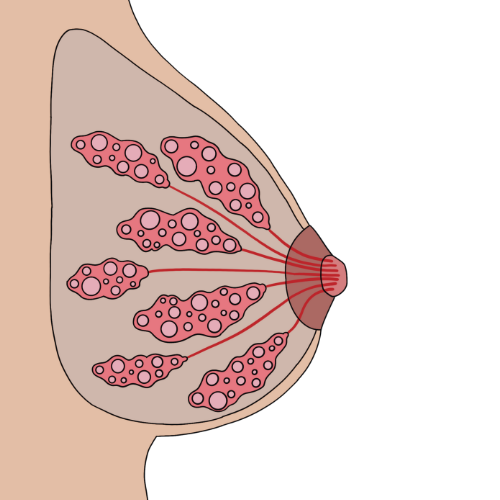
Breast reduction surgery (reduction mammaplasty) is a surgical procedure that removes excess glandular breast tissue, fat, and skin to reduce breast size, relieve physical symptoms caused by macromastia, and reshape the breasts into a more proportionate, lifted, and natural contour. The nipple-areola complex is simultaneously elevated to a higher, more youthful position. The procedure is performed under general anaesthesia and requires 1–2 nights of hospitalisation. Most patients experience dramatic relief from neck, back, and shoulder pain within days of surgery — often describing breast reduction as one of the most life-changing procedures they have undergone.
Breast reduction differs from a breast lift (mastopexy) in one critical way: reduction removes breast tissue to decrease size, while a lift reshapes without significantly reducing volume. Some women require both reduction and lifting simultaneously — this is determined at consultation. SurgiPartner’s plastic surgeons perform all breast surgery techniques and will recommend the most appropriate approach after a thorough assessment.
Who Needs Breast Reduction Surgery? — Symptoms & Candidacy
| Technique | Tissue Removed From | Scar Pattern | Best For | Diastasis Repair? |
|---|---|---|---|---|
|
Inferior Pedicle (Wise Pattern) | Upper, lateral & medial breast quadrants | Anchor: periareolar + vertical + horizontal crease | All grades of macromastia — most reliable pedicle | N/A (breast) |
|
Superior Pedicle (Short-Scar) | Lower & lateral breast | Lollipop: periareolar + vertical only | Moderate reductions; younger patients; good skin elasticity | N/A |
|
Medial Pedicle (Hall-Findlay) | Lower & lateral breast | Lollipop or anchor | Wide base breasts; superior long-term shape maintenance | N/A |
| Liposuction-Only | Fatty breast tissue aspirated | Minimal: 2–3mm ports only | Young women with predominantly fatty breasts; modest reduction | N/A |
The inferior pedicle (Wise pattern) technique is the most commonly performed breast reduction globally and the primary technique used by SurgiPartner’s surgeons. The nipple-areola complex is preserved on a vascularised inferior pedicle — maintaining blood supply, nerve function, and breastfeeding capability in the majority of cases. The resulting anchor-shaped scar lies within the natural breast boundaries and is concealed within a bra or swimsuit.
Understanding the Scar Pattern After Breast Reduction
The most frequently asked question about breast reduction is about scarring. It is important to understand the scar pattern before surgery:
- Periareolar scar: A circular scar running around the outer edge of the areola. Heals along the natural colour change boundary — becomes nearly invisible over time.
- Vertical scar: Runs vertically from the bottom of the areola to the breast crease. Typically 6–8cm in length. Fades to a fine pale line over 12–18 months.
- Horizontal (inframammary) scar: Runs along the breast crease — completely concealed by the breast itself when upright and by a bra or swimsuit at all times. This scar actually replaces the painful rash-prone skin fold that caused pre-operative intertrigo.
Initially pink and slightly raised for 3–6 months, all scars mature to fine, pale, low-profile lines over 12–18 months. SurgiPartner provides a comprehensive scar management protocol — silicone gel sheets, massage technique, and sun protection guidance — starting from week 4 post-surgery.
How Much Breast Tissue Is Removed? — Sizing Guide
| Amount Removed (Per Breast) | Approximate Reduction | Notes |
|---|---|---|
| 200–400g per breast | Approximately 1 cup size | Small reduction — short-scar technique often possible |
| 400–700g per breast | Approximately 2 cup sizes | Moderate reduction — inferior or medial pedicle |
| 700g–1kg per breast | Approximately 2–3 cup sizes | Large reduction — anchor pattern typically required |
| Over 1kg per breast | 3+ cup sizes (gigantomastia) | Very large reduction — may require free nipple graft in extreme cases |
The target breast size is determined collaboratively between you and your surgeon. The goal is a proportionate result that is comfortable, achievable with your tissue, and aesthetically balanced with your height, weight, and shoulder width — not simply the smallest possible size.
Breast Reduction Procedure — Step by Step
Step 1: Pre-operative Assessment & Insurance Documentation
A comprehensive consultation includes: breast measurements, BMI assessment, photographic documentation for insurance and surgical planning, discussion of your target size and goals, review of previous physiotherapy and pain management history, and mammography (for women over 35). Insurance pre-authorisation documentation is submitted by SurgiPartner’s team before a surgery date is confirmed.
Step 2: General Anaesthesia
Breast reduction is performed under general anaesthesia. The procedure takes 2.5–3.5 hours for standard bilateral reduction. A 1–2 night hospital stay is standard. An experienced anaesthesiologist specialising in plastic surgery cases administers and monitors anaesthesia throughout.
Step 3: Marking and Positioning
With the patient standing, the surgeon carefully marks the planned incision pattern, new nipple position, and tissue removal zones. Symmetric marks on both sides are confirmed with precise measurement before proceeding. The new nipple position is calculated using standardised landmarks referenced to the sternal notch.
Step 4: Resection of Breast Tissue, Fat & Skin
The de-epithelialised pedicle is developed and the nipple-areola complex elevated to its new position. Excess breast tissue is removed from the defined quadrants — a scale is used to confirm equal weight removal from both sides for symmetric results. Meticulous haemostasis is achieved throughout.
Step 5: Histopathological Examination
All removed breast tissue is sent for histopathological examination — this is mandatory at SurgiPartner with no exceptions. The pathology report provides definitive confirmation that no occult malignancy is present in the removed tissue. Results are available in 5–7 days and communicated directly to the patient.
Step 6: Wound Closure & Post-operative Care
Wounds are closed in multiple layers with absorbable internal sutures and skin closure. Drains are placed for 24–48 hours and removed before discharge. A well-fitted post-operative bra is applied immediately in theatre — this is worn continuously for 6 weeks. SurgiPartner’s Care Buddy coordinates your entire hospital stay and post-discharge recovery support.
Breast Reduction Recovery — Week by Week Timeline
Step 1: Pre-operative Assessment & Insurance Documentation
A comprehensive consultation includes: breast measurements, BMI assessment, photographic documentation for insurance and surgical planning, discussion of your target size and goals, review of previous physiotherapy and pain management history, and mammography (for women over 35). Insurance pre-authorisation documentation is submitted by SurgiPartner’s team before a surgery date is confirmed.
Step 2: General Anaesthesia
Breast reduction is performed under general anaesthesia. The procedure takes 2.5–3.5 hours for standard bilateral reduction. A 1–2 night hospital stay is standard. An experienced anaesthesiologist specialising in plastic surgery cases administers and monitors anaesthesia throughout.
Step 3: Marking and Positioning
With the patient standing, the surgeon carefully marks the planned incision pattern, new nipple position, and tissue removal zones. Symmetric marks on both sides are confirmed with precise measurement before proceeding. The new nipple position is calculated using standardised landmarks referenced to the sternal notch.
Step 4: Resection of Breast Tissue, Fat & Skin
The de-epithelialised pedicle is developed and the nipple-areola complex elevated to its new position. Excess breast tissue is removed from the defined quadrants — a scale is used to confirm equal weight removal from both sides for symmetric results. Meticulous haemostasis is achieved throughout.
Step 5: Histopathological Examination
All removed breast tissue is sent for histopathological examination — this is mandatory at SurgiPartner with no exceptions. The pathology report provides definitive confirmation that no occult malignancy is present in the removed tissue. Results are available in 5–7 days and communicated directly to the patient.
Step 6: Wound Closure & Post-operative Care
Wounds are closed in multiple layers with absorbable internal sutures and skin closure. Drains are placed for 24–48 hours and removed before discharge. A well-fitted post-operative bra is applied immediately in theatre — this is worn continuously for 6 weeks. SurgiPartner’s Care Buddy coordinates your entire hospital stay and post-discharge recovery support.
Frequently Asked Questions — Breast Reduction Surgery Hyderabad
Yes — breast reduction surgery (reduction mammaplasty) is covered by most Indian health insurance policies when performed for documented medical reasons, including chronic back/neck/shoulder pain, bra strap grooving, recurrent inframammary rash, breathing difficulty, and functional limitation from breast size. Cosmetic-only reduction without medical symptoms is generally not covered. SurgiPartner's dedicated insurance team prepares all pre-authorisation documentation — symptom records, physiotherapy notes, BMI assessment, and clinical photographs — to support your claim at no extra cost.
Macromastia is the medical term for disproportionately large breasts relative to body frame, causing measurable physical harm. Symptoms include chronic back, neck and shoulder pain, bra strap grooving, recurrent inframammary rashes, postural kyphosis, exercise limitation, and psychological distress. Breast reduction surgery removes the excess glandular tissue, fat, and skin responsible for the weight and friction causing these symptoms — providing dramatic, immediate, and permanent relief. It is the only treatment that definitively addresses the root cause of macromastia symptoms.
Breastfeeding after breast reduction depends on the technique used and the amount of tissue removed. The inferior pedicle technique — the most commonly used — specifically preserves milk duct continuity along the inferior pedicle, maintaining breastfeeding capability in the majority of patients. However, no technique guarantees breastfeeding success after significant reductions. Women who plan future breastfeeding should inform their surgeon so the most breastfeeding-preserving approach is selected. Studies show that 60–70% of women who attempt breastfeeding after inferior pedicle reduction are successful.
Breast reduction surgery is generally recommended after breast development is complete — typically age 18. However, for adolescents with severe macromastia causing significant spinal, postural, or psychological harm, surgery may be considered from age 16–17 with parental consent and a documented history of symptoms. SurgiPartner's surgeons assess each case individually — the primary criterion is complete or near-complete breast development and stable breast size for at least 12 months.
Temporary nipple sensation changes are common after breast reduction — 20–30% of patients experience reduced or altered sensation for 3–12 months as the nerves recover. In most cases, sensation returns to normal or near-normal. Permanent sensation loss occurs in a minority of patients — the risk is higher with very large reductions (over 1kg per side) and with free nipple graft techniques used in extreme gigantomastia. SurgiPartner's surgeons use nerve-preserving techniques and discuss sensation risks in detail during your consultation.
Breast reduction results are permanent — the removed glandular tissue does not regenerate. The physical symptom relief (back pain, shoulder grooving, rashes) is typically permanent. Future significant weight gain may increase breast volume as remaining fat cells enlarge. Future pregnancies cause hormonal breast changes that may alter the result. Maintaining stable body weight after surgery provides the most durable, long-lasting outcome.
Breast reduction is a safe, well-established surgical procedure when performed by an experienced plastic surgeon. Short-term risks include anaesthesia complications, bleeding, infection, wound healing delay, and haematoma — all uncommon at experienced centres. Longer-term risks include scar widening, asymmetry, nipple sensation changes, and the rare need for revision surgery. All removed tissue is sent for histopathological examination at SurgiPartner — providing definitive cancer screening as an additional safety benefit.
Yes — breast reduction is commonly combined with: liposuction of the lateral chest and axillary fat pads (for comprehensive contouring), hernia repair (if a coincidental hernia is present), and abdominoplasty (as part of a post-partum body contouring combination — the "mommy makeover"). Combining procedures reduces total recovery time compared to separate surgeries. SurgiPartner's plastic surgeons plan safe, effective combination surgeries with careful attention to operating time, blood loss, and recovery management.
01.
Highly Experienced Plastic Surgeons
Expert surgeons specializing in aesthetic and reconstructive breast procedures.
02.
Advanced Surgical Techniques
Modern methods ensuring reduced scarring and faster healing.
03.
Personalized Care Plans
Tailored treatment based on body type, goals, and health condition.
04.
End-to-End Patient Support
From consultation to recovery, we guide you at every step.
Request a Consultation
Take the first step toward relief from abdominal pain with SurgiPartner Advanced Appendectomy Surgery.
Live free from pain and discomfort that’s the SurgiPartner promise.
View SurgiPartner on Google

Posted on Google
 saikiran challa
Trustindex verifies that the original source of the review is Google.
I am thoroughly impressed with the SurgiPartner model, which delivers integrated, end-to-end patient support across the healthcare continuum—from initial consultations to treatment and surgical interventions, where necessary. I recently availed their Care Buddy service for a consultation, and the experience was highly seamless, efficient, and professionally managed. The structured Care Buddy support, combined with well-aligned financial assistance processes, significantly enhances the overall patient journey. This holistic and patient-centric approach effectively streamlines access to quality healthcare, making it more efficient and convenient in today’s dynamic environment.Posted on Google vasantha kumari buggalaI’m really impressed with the SurgiPartner concept. They provide end-to-end patient support—from doctor consultations to treatment and even surgery when required. I personally used their Care Buddy service for a consultation, and it was a smooth and positive experience. The Care Buddy assistance, along with support in financial processes, makes healthcare much more convenient, especially in today’s fast-paced lifestyle.Posted on Google
 krishna nayakMy Brother Arun Kumar and krishna from Bangalore. We are travelled to Hyderabad for LASIK surgery, and today we successfully underwent the procedure at American Laser Eye Hospital. The surgery went very smoothly and I am feeling very good after the procedure. The hospital environment is very clean and well maintained. All the staff and doctors are very polite, supportive, and professional. A special thanks to SurgiPartner CareBuddy for guiding and helping me throughout the entire process. From the beginning till the end of the day, they were with us at every step and provided excellent support. Overall, I had a very good experience and I highly recommend American Laser Eye Hospital for LASIK surgery with SurgiPartner support.Posted on Google
 ManaswiReally impressed with the concept of SurgiPartner. They offer complete patient support from doctor consultation to treatment and surgery if needed. I personally took a consultation through their Care buddy, and it was a great experience. The care buddy system and help with financial processes make healthcare much easier, especially in today’s busy world.Posted on Google
 Arun NayakMy name is Arun Kumar and I am from Bangalore. I traveled to Hyderabad for LASIK surgery, and today I successfully underwent the procedure at American Laser Eye Hospital. The surgery went very smoothly and I am feeling very good after the procedure. The hospital environment is very clean and well maintained. All the staff and doctors are very polite, supportive, and professional. A special thanks to SurgiPartner CareBuddy for guiding and helping me throughout the entire process. From the beginning till the end of the day, they were with us at every step and provided excellent support. Overall, I had a very good experience and I highly recommend American Laser Eye Hospital for LASIK surgery with SurgiPartner supportPosted on Google
 Shankar S ShankruThank you for the support and service provided by SurgiPartner. The overall experience was smooth and the team was very helpful.Posted on Google
 Thejasree KStaff is very good and nice receiving. They are very humble and their response is very good. Thank youPosted on Google
 Srihari ReddyI want to thank Surgipartner for all the help and support during my LASIK surgery. From the beginning till the end, the team was very proactive with follow-ups and guided me clearly through every step, which made the whole experience easy and stress-free. I would especially like to appreciate CareBuddy Raju and Coordinator Anusha for their outstanding support. They were always in touch with both the hospital staff and me, helped reduce waiting time, and made sure everything went smoothly. Their care, quick responses, and constant guidance really made a big difference. Overall, I had a very positive experience and truly appreciate the support provided by Surgipartner.Verified by TrustindexTrustindex verified badge is the Universal Symbol of Trust. Only the greatest companies can get the verified badge who has a review score above 4.5, based on customer reviews over the past 12 months. Read more
How SurgiPartner Supports You — From First Call to Full Recovery
Follow your step-by-step guide to a successful surgery and recovery, with our expert team supporting you all the way.
Expert Case Assessment
Today
We review your medical history, understand your specific condition, and consult with specialists to map out your path.
Right Doctor Match
48 hours
We connect you with the top-rated surgeon for your specific ailment and explain your treatment plan clearly.
Insurance & Financial Support
We handle your insurance claims directly and create a transparent financial plan so there are no surprises.
Seamless Admission Management
We handle all hospital paperwork, admission formalities, and pre-surgery testing for you.
On-Ground Surgery Support
Our 'Care Buddy' is physically present at the hospital on surgery day to ensure everything runs smoothly.
Bedside Recovery Support
We don't leave. We stay by your side at the hospital until the moment you are discharged.
3-Month Recovery Tracking
We don't stop at discharge. We monitor your recovery and coordinate with your doctor for 3 months post-surgery.
Find Doctor & Hospital Support
Fill in your details and we'll call you back to confirm your slot.
Popular Diseases
Other Diseases
SurgiPartner
Online
Connecting you to trusted surgeons and safe, seamless surgical care – all in one place.
Quick links
Departments
Contact details
- +91 9030053009
- info@surgipartner.com
- Flat No. 101, Vimoksha Enclave, Road No.1, Kantivanam Colony, Kondapur, Hyderabad, Telangana – 500084.