Diabetic Retinopathy Treatment in Hyderabad
Diabetic retinopathy is the leading cause of preventable blindness among working-age adults in India — and Hyderabad, with its large diabetic population, faces this challenge acutely. If you have diabetes, regular retinal screening is not optional — it is essential. SurgiPartner connects diabetic patients in Hyderabad with expert retinal specialists for comprehensive screening, monitoring, and treatment at all stages of the disease.


What Is Diabetic Retinopathy?
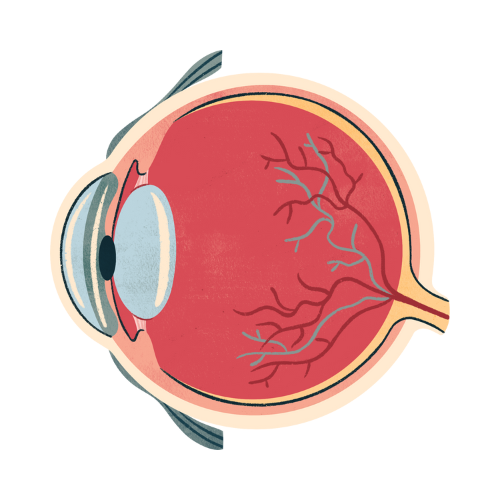
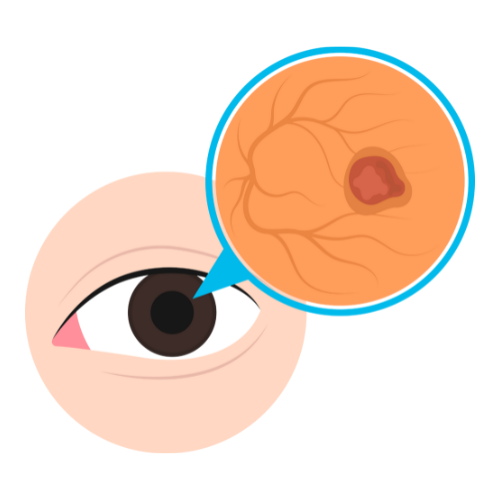
Diabetic retinopathy is a diabetes-related complication that damages the small blood vessels supplying the retina — the light-sensitive tissue at the back of the eye. Persistently elevated blood glucose levels cause these blood vessels to weaken, leak, swell, or grow abnormally, progressively impairing vision. Without treatment, advanced diabetic retinopathy leads to severe, irreversible vision loss and blindness.
In India, approximately 18% of diabetic patients have some form of diabetic retinopathy — and with over 77 million Indians living with diabetes, this represents an enormous burden of preventable vision loss. The tragedy is that diabetic retinopathy rarely causes symptoms in its early, treatable stages. By the time a diabetic patient notices vision changes, significant irreversible damage may already have occurred.
The most important message for every diabetic patient: annual retinal screening saves sight. Diabetic retinopathy detected early is highly treatable. The same disease detected late — when symptoms appear — is often impossible to fully reverse.
Stages of Diabetic Retinopathy — From Early to Advanced
Stage 1: Mild Non-Proliferative Diabetic Retinopathy (NPDR)
Small microaneurysms (tiny balloon-like bulges in blood vessel walls) appear in the retinal capillaries. These are the earliest detectable sign of diabetic retinopathy, visible only on retinal examination with dilated pupils or fundus photography. There are no symptoms at this stage. Treatment: optimise blood sugar, blood pressure, and cholesterol control; annual monitoring.
Stage 2: Moderate NPDR
More extensive microaneurysms, dot and blot haemorrhages (small blood leaks), hard exudates (protein and lipid deposits), and cotton wool spots (areas of ischaemia — reduced blood flow) develop. Vision may still be normal. Diabetic macular oedema (DME) can develop at any NPDR stage when fluid accumulates in the macula, causing central vision blurring. Treatment: intensive monitoring every 3–6 months; treat DME if present.
Stage 3: Severe NPDR
Extensive haemorrhages and microaneurysms in all four retinal quadrants, venous beading, and intraretinal microvascular abnormalities (IRMA). A significant proportion of blood vessels feeding the retina are occluded. This stage carries a high risk of progressing to proliferative retinopathy within 12 months. Urgent treatment is required.
Stage 4: Proliferative Diabetic Retinopathy (PDR)
The most advanced and dangerous stage. In response to widespread retinal ischaemia, the eye releases growth factors (VEGF) that stimulate abnormal new blood vessel formation (neovascularisation) on the retinal surface, optic disc, and iris. These new vessels are fragile and bleed easily — causing vitreous haemorrhage (sudden severe vision loss), tractional retinal detachment, and neovascular glaucoma. PDR requires urgent treatment.
Diabetic Macular Oedema (DMO) — The Most Common Cause of Vision Loss
Diabetic macular oedema occurs when fluid leaks from damaged capillaries into the macula — the central part of the retina responsible for reading, driving, and facial recognition. DMO can occur at any stage of diabetic retinopathy and is the most common cause of vision loss in diabetic patients. It presents as blurring or distortion of central vision, difficulty reading, and colours appearing washed out. OCT (optical coherence tomography) is used to measure macular thickness and monitor treatment response.
Diabetic Retinopathy Treatment Options
1. Systemic Control — The Foundation of All Treatment
No retinal treatment is as effective as preventing disease progression through tight metabolic control. Target HbA1c below 7%, blood pressure below 130/80 mmHg, and LDL cholesterol below 100 mg/dL. Smoking cessation is strongly advised. These systemic measures slow retinopathy progression more effectively than any single retinal intervention. SurgiPartner works closely with diabetologists to coordinate comprehensive care.
2. Anti-VEGF Injections (Intravitreal Injections)
Anti-VEGF (anti-vascular endothelial growth factor) agents — bevacizumab (Avastin), ranibizumab (Lucentis), or aflibercept (Eylea) — are injected into the vitreous cavity to suppress the abnormal blood vessel growth factor driving PDR and to reduce macular oedema in DMO. Anti-VEGF is now the first-line treatment for centre-involving DMO and proliferative retinopathy. The injection is a quick, painless outpatient procedure performed under topical anaesthesia. Multiple injections at 4–8 weekly intervals are typically required.
3. Laser Photocoagulation
Focal/grid laser treats DMO by sealing leaking microaneurysms and treating areas of oedema in the macular area. It reduces vision loss rather than improving it and has largely been replaced by anti-VEGF as first-line DMO treatment.
Panretinal photocoagulation (PRP) applies 1,200–1,600 laser burns to the peripheral retina, destroying ischaemic tissue that drives VEGF production. This causes neovascularisation to regress in 90% of PDR cases. PRP is the traditional first-line treatment for high-risk PDR and is still widely used alongside anti-VEGF.
4. Vitrectomy Surgery
Surgical vitrectomy is required for complications of advanced PDR that cannot be treated with laser or anti-VEGF alone:
- a. Non-clearing vitreous haemorrhage — blood in the vitreous that obscures vision and fails to clear spontaneously over 1–3 months
- b. Tractional retinal detachment — fibrovascular membranes pulling the retina away from the RPE
- c. Combined tractional and rhegmatogenous retinal detachment
- d. Macular tractional oedema — refractory DMO with epiretinal membrane
Diabetic Retinopathy Screening — Who Needs It and How Often?
| Patient Group | When to Start Screening | Frequency |
|---|---|---|
| Type 1 Diabetes | 5 years after diagnosis (or at puberty) | Annually, more frequently if retinopathy present |
| Type 2 Diabetes | At diagnosis | Annually — may already be present at diagnosis |
| Gestational Diabetes / Pregnancy | At first prenatal visit | Every trimester; within 3 months postpartum |
| Poor glycaemic control (HbA1c >9%) | Immediately | Every 3–6 months |
| Visual symptoms present | Immediately | Urgent — do not delay |
Frequently Asked Questions About Diabetic Retinopathy in Hyderabad
Can diabetic retinopathy be reversed?
Diabetic retinopathy can sometimes be treated to reduce the risk of further vision loss, but existing retinal damage may not be fully reversible. Treatment depends on the stage and severity and may include managing blood sugar, blood pressure and cholesterol, anti-VEGF injections, laser treatment or surgery. An ophthalmologist can recommend an appropriate plan after examining your eyes.
I have diabetes but my vision seems fine. Do I still need a retinal check?
Yes. Diabetic retinopathy can develop without noticeable symptoms in its early stages. People with diabetes should have regular diabetic eye examinations at the intervals recommended by their eye-care professional. Early detection can help identify changes before they significantly affect vision.
How many anti-VEGF injections will I need for diabetic retinopathy?
The number of anti-VEGF injections varies depending on the retinal condition, its severity, response to treatment and the medicine used. Some people need a series of injections followed by monitoring or additional treatment. Your retinal specialist will determine the schedule based on examination findings and how your eyes respond.
Is an anti-VEGF injection painful?
The eye is usually numbed before an anti-VEGF injection. You may feel pressure or mild discomfort, and temporary irritation can occur afterwards. The experience varies from person to person. Follow your clinician’s aftercare instructions and seek prompt medical advice if you develop severe pain, increasing redness or a sudden change in vision.
Will LASIK or cataract surgery worsen my diabetic retinopathy?
The answer depends on the condition of your retina, diabetes control and the type of eye surgery being considered. Diabetic retinopathy does not automatically rule out every procedure, but it may affect suitability, timing and monitoring. A retinal assessment and discussion between the relevant eye-care specialists can help determine the appropriate approach before surgery.
What are the early symptoms of diabetic retinopathy?
Early diabetic retinopathy may cause no noticeable symptoms. As it progresses, symptoms can include blurred vision, floaters, dark areas in your vision or difficulty seeing clearly. Do not wait for symptoms before arranging diabetic eye screening. Sudden vision loss or a sudden increase in floaters requires urgent eye-care assessment.
What treatments are available for diabetic retinopathy?
Treatment depends on the stage of the disease and whether complications, such as diabetic macular oedema, are present. Options may include monitoring, anti-VEGF injections, laser treatment or vitrectomy surgery in selected cases. Managing blood sugar, blood pressure and cholesterol is also important. Your ophthalmologist will explain which options are appropriate for your condition.
How can I explore diabetic retinopathy care options in Hyderabad through SurgiPartner?
You can contact SurgiPartner to explain your requirements and enquire about relevant eye-care providers and available care-coordination support. Our team can clarify the assistance available and help you explore options. Diagnosis, treatment selection and decisions about injections, laser treatment or surgery must be made by a qualified ophthalmologist after an individual assessment.
Medical information notice: This page provides general educational information and does not replace an eye examination, diagnosis or personalised medical advice. Treatment decisions and outcomes vary by patient.
Can diabetic retinopathy cause permanent blindness?
Severe diabetic retinopathy can cause permanent vision loss if it progresses or complications are not treated appropriately. However, early detection, suitable treatment and regular follow-up can help reduce the risk of further damage. The likely outcome depends on the condition of the retina and the individual response to treatment.
Why Choose SurgiPartner?
Choosing SurgiPartner means trusting your vision with specialists who understand the complexity of diabetic eye disease.
01.
Expert Retinal Specialists
Our vitreoretinal surgeons have extensive experience managing mild to advanced diabetic retinopathy cases.
02.
Comprehensive Treatment Options
From injections and laser therapy to advanced vitrectomy surgery, all treatments are available under one roof.
03.
Long-Term Monitoring & Care
Diabetic retinopathy requires ongoing follow-up, and we provide structured, continuous care plans.
Request a Consultation
Protect your vision from diabetes-related damage with SurgiPartner advanced diabetic retinopathy treatment. Early care makes a life-changing difference.
Early detection. Advanced care. Lifelong vision protection.
View SurgiPartner on Google

Posted on Google
 saikiran challa
Trustindex verifies that the original source of the review is Google.
I am thoroughly impressed with the SurgiPartner model, which delivers integrated, end-to-end patient support across the healthcare continuum—from initial consultations to treatment and surgical interventions, where necessary. I recently availed their Care Buddy service for a consultation, and the experience was highly seamless, efficient, and professionally managed. The structured Care Buddy support, combined with well-aligned financial assistance processes, significantly enhances the overall patient journey. This holistic and patient-centric approach effectively streamlines access to quality healthcare, making it more efficient and convenient in today’s dynamic environment.Posted on Google vasantha kumari buggalaI’m really impressed with the SurgiPartner concept. They provide end-to-end patient support—from doctor consultations to treatment and even surgery when required. I personally used their Care Buddy service for a consultation, and it was a smooth and positive experience. The Care Buddy assistance, along with support in financial processes, makes healthcare much more convenient, especially in today’s fast-paced lifestyle.Posted on Google
 krishna nayakMy Brother Arun Kumar and krishna from Bangalore. We are travelled to Hyderabad for LASIK surgery, and today we successfully underwent the procedure at American Laser Eye Hospital. The surgery went very smoothly and I am feeling very good after the procedure. The hospital environment is very clean and well maintained. All the staff and doctors are very polite, supportive, and professional. A special thanks to SurgiPartner CareBuddy for guiding and helping me throughout the entire process. From the beginning till the end of the day, they were with us at every step and provided excellent support. Overall, I had a very good experience and I highly recommend American Laser Eye Hospital for LASIK surgery with SurgiPartner support.Posted on Google
 ManaswiReally impressed with the concept of SurgiPartner. They offer complete patient support from doctor consultation to treatment and surgery if needed. I personally took a consultation through their Care buddy, and it was a great experience. The care buddy system and help with financial processes make healthcare much easier, especially in today’s busy world.Posted on Google
 Arun NayakMy name is Arun Kumar and I am from Bangalore. I traveled to Hyderabad for LASIK surgery, and today I successfully underwent the procedure at American Laser Eye Hospital. The surgery went very smoothly and I am feeling very good after the procedure. The hospital environment is very clean and well maintained. All the staff and doctors are very polite, supportive, and professional. A special thanks to SurgiPartner CareBuddy for guiding and helping me throughout the entire process. From the beginning till the end of the day, they were with us at every step and provided excellent support. Overall, I had a very good experience and I highly recommend American Laser Eye Hospital for LASIK surgery with SurgiPartner supportPosted on Google
 Shankar S ShankruThank you for the support and service provided by SurgiPartner. The overall experience was smooth and the team was very helpful.Posted on Google
 Thejasree KStaff is very good and nice receiving. They are very humble and their response is very good. Thank youPosted on Google
 Srihari ReddyI want to thank Surgipartner for all the help and support during my LASIK surgery. From the beginning till the end, the team was very proactive with follow-ups and guided me clearly through every step, which made the whole experience easy and stress-free. I would especially like to appreciate CareBuddy Raju and Coordinator Anusha for their outstanding support. They were always in touch with both the hospital staff and me, helped reduce waiting time, and made sure everything went smoothly. Their care, quick responses, and constant guidance really made a big difference. Overall, I had a very positive experience and truly appreciate the support provided by Surgipartner.Verified by TrustindexTrustindex verified badge is the Universal Symbol of Trust. Only the greatest companies can get the verified badge who has a review score above 4.5, based on customer reviews over the past 12 months. Read more
How SurgiPartner Supports You — From First Call to Full Recovery
Follow your step-by-step guide to a successful surgery and recovery, with our expert team supporting you all the way.
Find Doctor & Hospital Support
Fill in your details and we'll call you back to confirm your slot.