Complex Regional Pain Syndrome
Complex Regional Pain Syndrome (CRPS) Treatment in Hyderabad
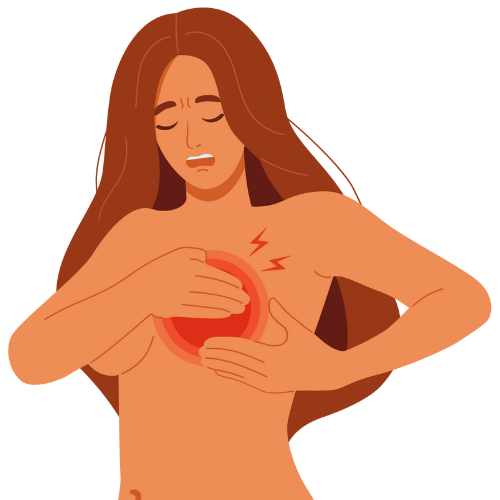
Complex Regional Pain Syndrome (CRPS) is a severe, chronic, and often progressive neurological pain condition characterised by disproportionately intense, burning pain; sensory, motor, and autonomic abnormalities; and trophic changes in the affected limb — all out of proportion to any identifiable tissue injury. CRPS is considered one of the most painful conditions known to medicine — often rated higher than childbirth, amputation, and cancer on pain severity scales. It affects approximately 26 per 100,000 people per year, with a significant female predominance (3:1). Despite being a devastating condition, CRPS has a poorly understood pathophysiology and has historically been dramatically undertreated in India. SurgiPartner’s specialist pain management team in Hyderabad provides expert CRPS assessment and evidence-based interventional treatment.
CRPS Type I vs Type II
| Feature | CRPS Type I (Formerly RSD) | CRPS Type II (Formerly Causalgia) |
|---|---|---|
| Trigger | Tissue injury WITHOUT definable nerve damage (fracture, surgery, soft tissue injury, immobilisation) | Injury WITH confirmed peripheral nerve damage (partial nerve transection, nerve injury during surgery or trauma) |
| Prevalence | ~90% of CRPS cases | ~10% of CRPS cases |
| Pain character | Same as Type II — burning, allodynia, hyperalgesia; pain distribution may exceed the nerve territory | Same but clearly in the distribution of the injured nerve |
| Electrophysiology | No nerve conduction abnormality on EMG/NCS | Confirms nerve injury on EMG/NCS |
| Treatment | Identical — sympathetic interventions, SCS, desensitisation physiotherapy | Identical; nerve repair or decompression additionally considered in selected cases |
Budapest Diagnostic Criteria for CRPS
The Budapest Criteria (2007, revised) are the current international standard for CRPS diagnosis. CRPS is diagnosed when the following are all present:
- Continuing pain disproportionate to any inciting event
- At least one symptom in 3 of 4 categories:
- Sensory: hyperaesthesia and/or allodynia
- Vasomotor: temperature asymmetry and/or skin colour changes and/or skin colour asymmetry
- Sudomotor/oedema: oedema and/or sweating changes and/or sweating asymmetry
- Motor/trophic: decreased range of motion and/or motor dysfunction (weakness, tremor, dystonia) and/or trophic changes (hair, nail, skin)
- At least one sign in 2 or more categories (same categories as above, confirmed on examination)
- No other diagnosis better explains the signs and symptoms
Phases of CRPS
- Acute phase (0–3 months): Severe burning pain; warm, red, sweaty limb; significant oedema; allodynia; loss of function; bone scan shows increased uptake (phase 1–3); MRI shows periarticular oedema. Most responsive to treatment — early intervention is critical.
- Dystrophic phase (3–12 months): Pain continues; skin becomes mottled, cool; hyperhidrosis; progressive loss of movement; muscle atrophy; bone scan shows periarticular uptake.
- Atrophic phase (12+ months): Cool, pale, dry, atrophic skin; irreversible joint contractures; osteoporosis (Sudeck’s atrophy on X-ray); some pain reduction but severe functional impairment; less responsive to interventional treatment — prevention of this phase by early aggressive treatment is the primary therapeutic goal.
Pathophysiology — Why CRPS Is So Complex
CRPS involves multiple interacting pathophysiological mechanisms:
- Neurogenic inflammation — substance P and CGRP release from sensitised peripheral C fibres causes vasodilation, oedema, and tissue sensitisation — explaining the warm, red, swollen acute phase
- Sympathetic nervous system dysregulation — coupling between the sympathetic nervous system and pain fibres (sympathetically-maintained pain) explains the colour, temperature, and sweating changes; and why sympathetic nerve blocks are therapeutic
- Central sensitisation — spinal cord and cortical hyperexcitability drives the allodynia, hyperalgesia, and spread of pain beyond the original injury site
- Autoimmune component — autoantibodies against autonomic receptors have been found in a proportion of CRPS patients; supported by the higher prevalence in women and post-infective triggers in some cases
- Cortical reorganisation — somatosensory and motor cortex reorganisation (expansion of the affected limb representation) contributes to the body image disturbance, motor dysfunction, and maladaptive pain perception
Treatment of CRPS — A Multidisciplinary Approach
Physiotherapy — The Cornerstone of CRPS Treatment
Despite the severe pain, movement rehabilitation is the single most important long-term treatment for CRPS — targeting the central cortical reorganisation and the motor dysfunction that perpetuate the syndrome. The physiotherapy approach must be carefully graded to avoid the post-activation worsening that can occur with aggressive early mobilisation:
- Graded Motor Imagery (GMI) — a three-stage programme: laterality recognition (discriminating left from right body images without moving); motor imagery (imagining movement without actually moving); and mirror visual feedback (using a mirror box to provide visual feedback of the unaffected limb moving, “tricking” the brain into accepting movement). GMI targets the cortical reorganisation of CRPS — multiple RCTs demonstrate significant pain and function improvement.
- Desensitisation therapy — graded exposure to increasingly varied sensory stimuli (textures, temperatures, vibration) in the allodynic area — gradually recalibrating the hypersensitive sensory system
- Graded activity and CRPS-specific physiotherapy — gentle range of motion exercises, stress loading (carrying activities that create compressive/tensile loads on the limb — scrubbing and carrying exercises), gradual resistance training
Sympathetic Nerve Blocks — Targeting the Autonomic Component
Stellate ganglion block — for upper limb CRPS; the stellate ganglion (a sympathetic ganglion at C7–T1) is blocked under ultrasound or fluoroscopic guidance — interrupting sympathetically-maintained pain and vasospasm in the arm and hand. Provides diagnostic confirmation (if significant relief follows, sympathetically-maintained pain is confirmed) and therapeutic benefit.
Lumbar sympathetic block — for lower limb CRPS; the lumbar sympathetic chain (at L2–L4) is blocked under fluoroscopic guidance — providing sympathetic interruption to the lower limb. A series of blocks can provide significant, cumulative relief. For sustained effect, radiofrequency ablation of the lumbar sympathetic chain (lumbar sympathectomy) provides 3–12 months of sympatholysis from a single procedure.
Intravenous Ketamine
Ketamine — an NMDA receptor antagonist — is one of the most effective treatments for severe, refractory CRPS. Low-dose ketamine infusions (subanaesthetic doses 0.2–0.5mg/kg/hour over 3–5 days as an inpatient) produce significant, sustained reduction in CRPS pain — typically lasting 3–6 months — through normalisation of NMDA receptor-mediated central sensitisation. Multiple case series and some RCT data support ketamine for CRPS. Side effects during infusion: dissociative symptoms (manageable with benzodiazepine premedication), mild elevation in blood pressure and heart rate, nausea. Available at specialist pain centres with appropriate monitoring facilities — SurgiPartner coordinates ketamine infusion protocols with partner hospitals in Hyderabad. Call +91 9030053009 for assessment.
Spinal Cord Stimulation (SCS) — For Refractory CRPS
Spinal cord stimulation is the most evidence-based interventional treatment for refractory CRPS, with Level I evidence from a landmark Dutch randomised controlled trial (Kemler et al., NEJM 2000) and subsequent long-term follow-up studies. Epidural electrodes placed at the thoracic level (for upper limb CRPS) or lumbar level (for lower limb CRPS) deliver electrical stimulation to the dorsal columns — replacing the painful sensation with paraesthesia and significantly reducing allodynia and spontaneous pain. A 7–10 day trial stimulation period allows assessment of benefit before permanent implantation. Studies show 60–75% of CRPS patients achieve >50% pain reduction with SCS, with sustained benefit at 5-year follow-up in many patients.
Bisphosphonates — For Bone Involvement
Intravenous bisphosphonates (pamidronate, alendronate) reduce bone oedema and nociception in CRPS through inhibition of osteoclast activity and direct analgesic effects. Multiple RCTs demonstrate significant pain reduction with IV bisphosphonate infusions. Effective particularly when bone scintigraphy or MRI confirms bone involvement.
Pharmacological Management
Gabapentinoids (gabapentin, pregabalin) — reduce central sensitisation and neuropathic pain in CRPS; widely used as first-line adjuvant medication. Low-dose amitriptyline — addresses sleep disruption and neuropathic pain. Topical treatments — EMLA cream (topical anaesthetic) reduces allodynia pain from touch; capsaicin 8% patch (specialist application) defunctionalises C fibres. Calcitonin — nasal or intranasal calcitonin has evidence for CRPS pain relief and bone protection. Free radical scavengers (vitamin C 500mg/day for 50 days) have evidence for preventing CRPS after wrist fracture — an important preventive strategy.
Frequently Asked Questions — CRPS Treatment Hyderabad
Complex Regional Pain Syndrome (CRPS) is a severe chronic pain condition that typically develops after a limb injury (fracture, surgery, sprain, or immobilisation) — but the pain is completely disproportionate to the original injury and persists or worsens long after the tissue should have healed. What distinguishes CRPS from ordinary pain: the burning, constant, severe pain that is described as "fire, electric, or acid being poured on the skin"; extreme sensitivity where even a light touch of clothing, a breeze, or water causes intense pain (allodynia); visible changes in the affected limb — skin colour changes (red, purple, mottled), temperature asymmetry (hot or cold compared to the opposite limb), swelling, sweating changes, and eventually changes in hair and nail growth; motor problems — weakness, tremor, and dystonic posturing; and the fact that the pain often spreads beyond the original injury area. CRPS is diagnosed using the Budapest Criteria and assessed by specialist pain physicians. SurgiPartner provides CRPS assessment in Hyderabad — call +91 9030053009.
CRPS requires a multidisciplinary treatment approach — no single treatment addresses all its mechanisms. The most evidence-based treatments are: (1) Graded physiotherapy with Graded Motor Imagery (GMI) — the most important long-term treatment; (2) Spinal cord stimulation (SCS) — the most effective interventional treatment for refractory CRPS, with Level I RCT evidence showing 60–75% significant pain reduction; (3) Sympathetic nerve blocks (stellate ganglion for upper limb, lumbar sympathetic chain for lower limb) — targeting the autonomic component and sympathetically-maintained pain; (4) Intravenous ketamine infusions — for severe acute CRPS; (5) Bisphosphonate infusions — for bone involvement; (6) Pharmacological management with gabapentinoids, amitriptyline, and topical agents. Early treatment (within the first 3 months) provides the best outcomes — SurgiPartner's pain specialists provide urgent CRPS assessment in Hyderabad. Call +91 9030053009 immediately if CRPS is suspected.
The stellate ganglion is a sympathetic nerve ganglion at the C7–T1 level in the neck that provides sympathetic innervation to the head, neck, arm, and hand. In upper limb CRPS, the coupling between sympathetic nerves and pain fibres (sympathetically-maintained pain) is a major driver of burning pain, colour changes, and temperature asymmetry in the affected arm. A stellate ganglion block delivers local anaesthetic to this ganglion under ultrasound or fluoroscopic guidance — interrupting sympathetic activity to the upper limb. If significant pain relief follows the block, sympathetically-maintained pain is confirmed as a major component, and the patient is a good candidate for more sustained sympatholysis (repeated blocks, RF ablation, or SCS). Stellate ganglion block also serves as a diagnostic test — patients with sympathetically-independent CRPS pain (limited or no response to the block) are better directed towards SCS rather than repeated sympathetic procedures. SurgiPartner performs stellate ganglion blocks for upper limb CRPS at partner centres in Hyderabad — call +91 9030053009.
CRPS can resolve completely, particularly when treated early and aggressively. Studies show that approximately 30–50% of patients with acute CRPS (within 3 months of onset) treated with comprehensive multimodal treatment achieve complete or near-complete resolution. For chronic CRPS (present for more than 12 months), complete cure is less common but significant improvement in pain, function, and quality of life is achievable for most patients with appropriate treatment. Children and adolescents with CRPS have a particularly good prognosis — recovery rates of 80–90% are reported with multidisciplinary treatment including intensive physiotherapy and psychological support. The key factors predicting good outcome: early treatment; absence of overt psychological comorbidity (severe depression, PTSD) at presentation; patient engagement with physiotherapy despite pain; and access to specialist multidisciplinary CRPS care. SurgiPartner provides urgent specialist CRPS assessment — call +91 9030053009 today.
Spinal cord stimulation (SCS) does not cure CRPS but significantly reduces pain and improves function — allowing patients to engage with rehabilitation and physiotherapy that would otherwise be impossible due to severe pain. The landmark Dutch RCT (Kemler et al.) showed that CRPS patients with SCS achieved significantly better pain reduction and quality of life at 2 years compared to those treated with physiotherapy alone. Long-term follow-up shows sustained benefit in many patients at 3–5 years. SCS works by delivering controlled electrical stimulation to the spinal cord's dorsal columns — replacing the painful sensation with paresthesia (tingling) and modulating the central sensitisation that drives CRPS pain. A 7–10 day trial stimulation period with an external generator confirms benefit before the permanent device is implanted. SCS is covered by health insurance in India for refractory CRPS. SurgiPartner's pain specialists assess CRPS patients for SCS candidacy — call +91 9030053009 for evaluation.
Yes — CRPS can spread from the originally affected limb to other parts of the body, though this is more common in severe, long-standing cases. Spread patterns: contiguous spread (extending proximally up the originally affected limb, e.g. from hand to arm and shoulder); mirror spread (development of CRPS features in the same limb on the opposite side of the body); and independent spread (new CRPS in a completely unrelated limb after a new injury or stress). Studies suggest approximately 20–35% of CRPS patients experience some degree of spread over 5 years. Spread is associated with: more severe central sensitisation; delayed or inadequate treatment; psychological distress; and immunological factors. Aggressive early treatment of the original CRPS — reducing central sensitisation as quickly as possible — is the best strategy for preventing spread. SurgiPartner's pain specialists monitor for and treat spreading CRPS — call +91 9030053009.
Graded Motor Imagery (GMI) is a three-stage physiotherapy programme that targets the cortical reorganisation and motor dysfunction of CRPS through specific brain training exercises: Stage 1 — Laterality Recognition: the patient is shown images of hands (or feet) in various positions and must rapidly identify whether the image shows a left or right limb; this activates motor cortex networks without causing movement or pain; Stage 2 — Imagined Movements: the patient vividly imagines moving the affected limb through increasingly complex movements without actually moving; Stage 3 — Mirror Visual Feedback: a mirror is placed so the reflection of the unaffected limb is perceived as the affected limb moving; the brain receives visual feedback of pain-free movement, gradually recalibrating its representation of the affected limb. The programme is delivered over 6+ weeks. Multiple RCTs demonstrate that GMI significantly reduces CRPS pain and improves movement beyond physiotherapy alone. SurgiPartner coordinates GMI physiotherapy alongside interventional pain procedures — call +91 9030053009.
Pharmacological treatment of CRPS in India: (1) Gabapentin (900–3,600mg/day) or pregabalin (150–600mg/day) — reduce central sensitisation and neuropathic pain; first-line. (2) Amitriptyline (10–75mg nightly) — reduces neuropathic pain and improves sleep. (3) Topical lidocaine patches — applied to allodynic areas; reduce touch-triggered pain. (4) Bisphosphonates — IV alendronate (7.5mg daily × 3 days) or pamidronate (30mg IV × 3 days) — significant pain reduction in RCTs; bone protection. (5) Calcitonin — nasal spray 200IU daily; analgesic and bone protective. (6) Vitamin C 500mg/day × 50 days — evidence for prevention of CRPS after wrist fracture. Standard NSAIDs provide minimal benefit; opioids have limited evidence and are not recommended for CRPS due to opioid-induced hyperalgesia risk. Corticosteroids (prednisolone 30–40mg/day tapering) may provide benefit in the acute inflammatory phase (first 3 months). All medications are best combined with physiotherapy. SurgiPartner's pain physicians optimise medication regimens for CRPS — call +91 9030053009.
CRPS is a clinical diagnosis using the Budapest Criteria — not a diagnosis of exclusion. Investigations support the diagnosis and exclude alternative conditions: (1) Three-phase bone scintigraphy (bone scan) — shows characteristic periarticular increased uptake in all three phases in acute CRPS; a normal bone scan does not exclude CRPS. (2) X-ray of the affected limb — periarticular osteoporosis (Sudeck's atrophy) in established CRPS. (3) MRI — periarticular marrow oedema; excludes other pathology. (4) Infrared thermometry — objectively quantifies skin temperature asymmetry between the affected and unaffected limb. (5) EMG/nerve conduction studies — confirm nerve injury in CRPS Type II; distinguish from peripheral nerve entrapment. (6) Sympathetic skin response and quantitative sensory testing (QST) — assess autonomic and sensory abnormalities. Diagnosis is made by an experienced pain specialist integrating clinical findings with investigations. SurgiPartner's pain team provides comprehensive CRPS assessment in Hyderabad — call +91 9030053009 urgently for early diagnosis and treatment.
Why Choose SurgiPartner?
Choosing SurgiPartner means choosing expert care, advanced technology, and a commitment to restoring full mobility. Our approach to ACL Reconstruction Surgery helps athletes and active individuals regain knee stability, confidence, and performance.
01.
Experienced Sports Orthopedic Surgeons
Our skilled surgeons specialize in ACL reconstruction, ligament repair, and sports injury management, ensuring precision and faster return to activity.
02.
Advanced Arthroscopic & Minimally Invasive Techniques
We use keyhole surgical methods that reduce scarring, pain, and recovery time promoting faster joint healing
03.
Personalized Rehabilitation Programs
Each recovery plan is custom-designed with physiotherapists to restore flexibility, strength, and confidence step by step.
04.
Fast, Pain-Free Recovery
Most patients start walking within days and return to sports or active routines within a few months supported by guided rehab care.
Book Your Consultation
Take the first step toward stronger, more stable knees with SurgiPartner advanced ACL Reconstruction Surgery. Our specialists are here to guide you through a safe and effective recovery journey.
Get back in the game – that’s the SurgiPartner promise
View SurgiPartner on Google

Posted on Google
 saikiran challa
Trustindex verifies that the original source of the review is Google.
I am thoroughly impressed with the SurgiPartner model, which delivers integrated, end-to-end patient support across the healthcare continuum—from initial consultations to treatment and surgical interventions, where necessary. I recently availed their Care Buddy service for a consultation, and the experience was highly seamless, efficient, and professionally managed. The structured Care Buddy support, combined with well-aligned financial assistance processes, significantly enhances the overall patient journey. This holistic and patient-centric approach effectively streamlines access to quality healthcare, making it more efficient and convenient in today’s dynamic environment.Posted on Google vasantha kumari buggalaI’m really impressed with the SurgiPartner concept. They provide end-to-end patient support—from doctor consultations to treatment and even surgery when required. I personally used their Care Buddy service for a consultation, and it was a smooth and positive experience. The Care Buddy assistance, along with support in financial processes, makes healthcare much more convenient, especially in today’s fast-paced lifestyle.Posted on Google
 krishna nayakMy Brother Arun Kumar and krishna from Bangalore. We are travelled to Hyderabad for LASIK surgery, and today we successfully underwent the procedure at American Laser Eye Hospital. The surgery went very smoothly and I am feeling very good after the procedure. The hospital environment is very clean and well maintained. All the staff and doctors are very polite, supportive, and professional. A special thanks to SurgiPartner CareBuddy for guiding and helping me throughout the entire process. From the beginning till the end of the day, they were with us at every step and provided excellent support. Overall, I had a very good experience and I highly recommend American Laser Eye Hospital for LASIK surgery with SurgiPartner support.Posted on Google
 ManaswiReally impressed with the concept of SurgiPartner. They offer complete patient support from doctor consultation to treatment and surgery if needed. I personally took a consultation through their Care buddy, and it was a great experience. The care buddy system and help with financial processes make healthcare much easier, especially in today’s busy world.Posted on Google
 Arun NayakMy name is Arun Kumar and I am from Bangalore. I traveled to Hyderabad for LASIK surgery, and today I successfully underwent the procedure at American Laser Eye Hospital. The surgery went very smoothly and I am feeling very good after the procedure. The hospital environment is very clean and well maintained. All the staff and doctors are very polite, supportive, and professional. A special thanks to SurgiPartner CareBuddy for guiding and helping me throughout the entire process. From the beginning till the end of the day, they were with us at every step and provided excellent support. Overall, I had a very good experience and I highly recommend American Laser Eye Hospital for LASIK surgery with SurgiPartner supportPosted on Google
 Shankar S ShankruThank you for the support and service provided by SurgiPartner. The overall experience was smooth and the team was very helpful.Posted on Google
 Thejasree KStaff is very good and nice receiving. They are very humble and their response is very good. Thank youPosted on Google
 Srihari ReddyI want to thank Surgipartner for all the help and support during my LASIK surgery. From the beginning till the end, the team was very proactive with follow-ups and guided me clearly through every step, which made the whole experience easy and stress-free. I would especially like to appreciate CareBuddy Raju and Coordinator Anusha for their outstanding support. They were always in touch with both the hospital staff and me, helped reduce waiting time, and made sure everything went smoothly. Their care, quick responses, and constant guidance really made a big difference. Overall, I had a very positive experience and truly appreciate the support provided by Surgipartner.Verified by TrustindexTrustindex verified badge is the Universal Symbol of Trust. Only the greatest companies can get the verified badge who has a review score above 4.5, based on customer reviews over the past 12 months. Read more
How SurgiPartner Supports You — From First Call to Full Recovery
Follow your step-by-step guide to a successful surgery and recovery, with our expert team supporting you all the way.
Find Doctor & Hospital Support
Fill in your details and we'll call you back to confirm your slot.