
Say Goodbye to Nasal Blockage with SurgiPartner Advanced Septoplasty Surgery
Experience Easy Breathing with Precision ENT Care
Septoplasty Surgery in Hyderabad — Deviated Nasal Septum Correction
The nasal septum — the thin wall of bone and cartilage dividing the two nostrils — ideally runs precisely down the centre of the nose. In clinical practice, however, 80% of people have some degree of septal deviation, and a significant proportion experience symptoms severe enough to affect breathing, sleep, and quality of life. SurgiPartner connects patients in Hyderabad with experienced ENT surgeons who perform septoplasty — the surgical procedure to straighten the nasal septum and restore normal nasal airflow.
What Is a Deviated Nasal Septum?
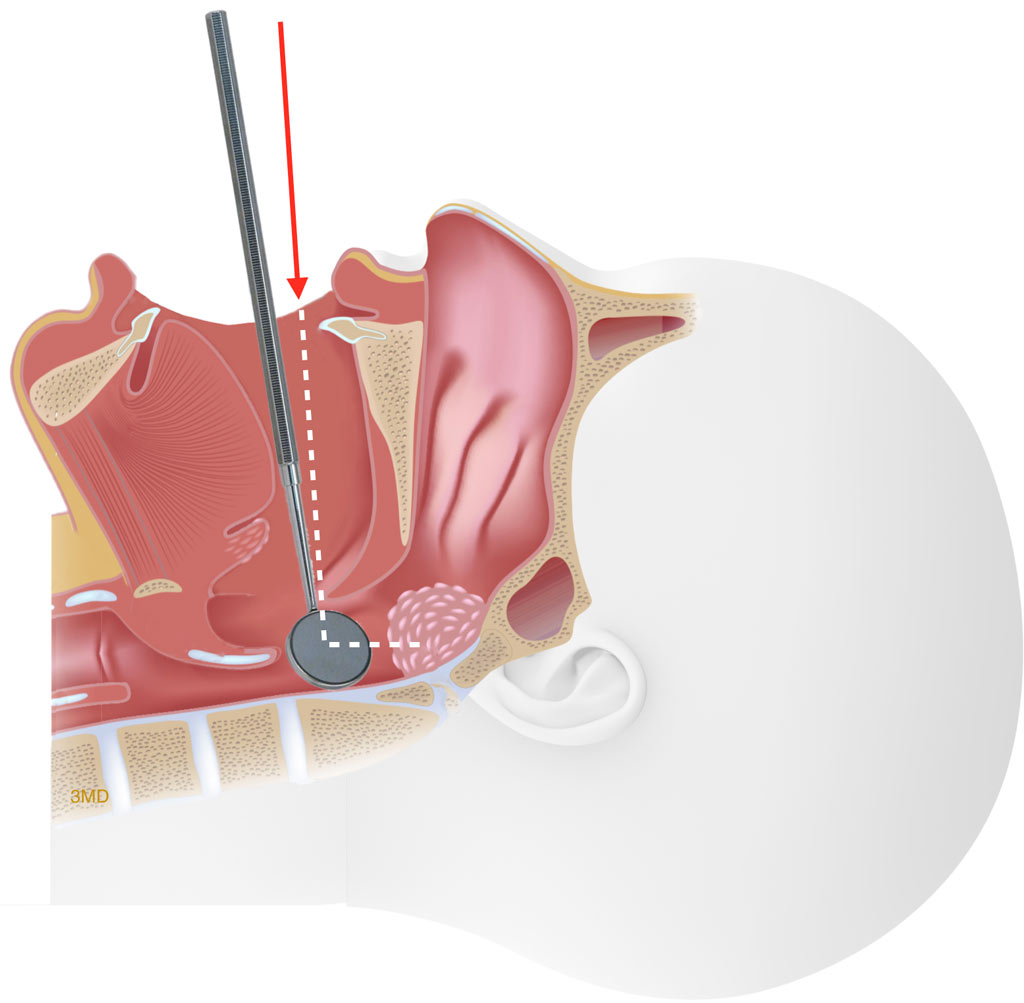
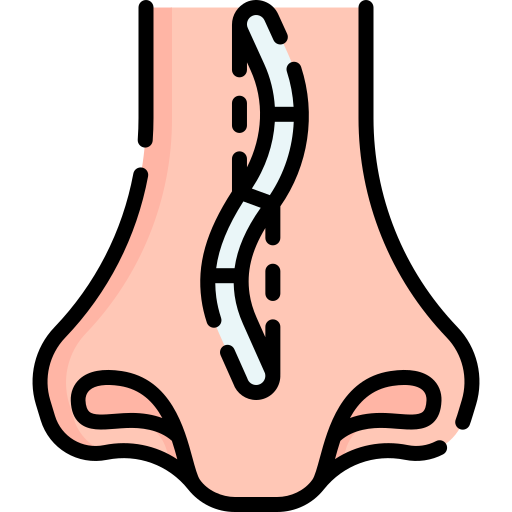
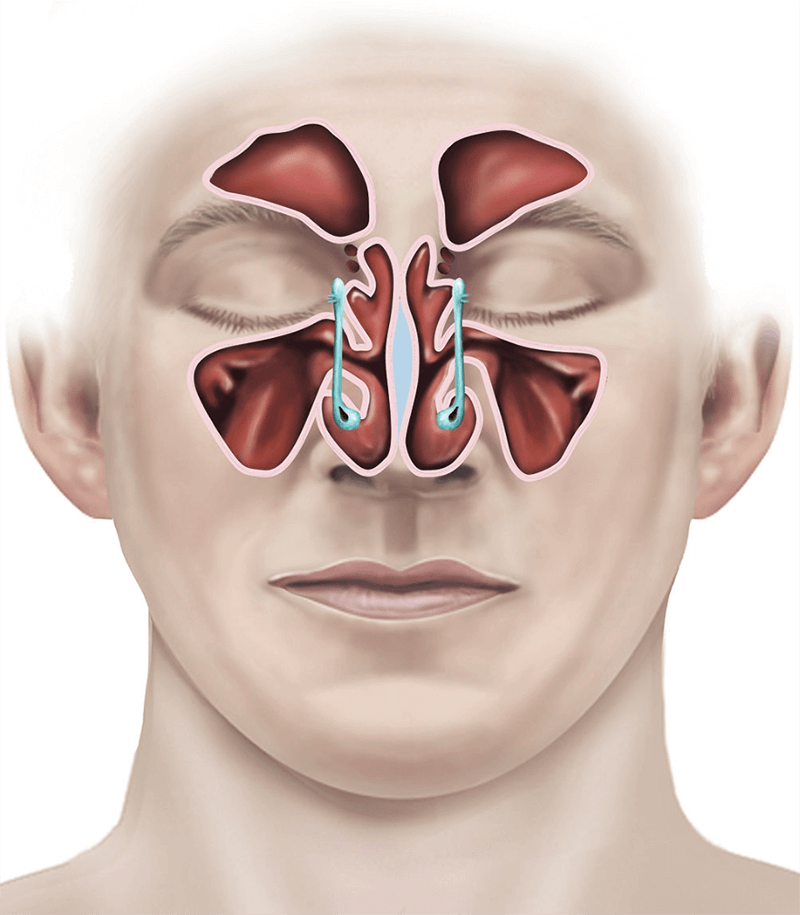
The nasal septum consists of a cartilaginous anterior (front) portion and a bony posterior portion. A deviation occurs when this midline structure shifts to one side — narrowing one nasal passage, obstructing airflow, and in many cases compromising sinus drainage on the affected side. Deviations may be C-shaped (gradual curve), S-shaped (combined curve), or include spurs (bony protrusions that contact the lateral nasal wall). The severity of obstruction does not always correlate with the degree of anatomical deviation — patient symptoms are the primary guide to treatment decisions.
Symptoms of a Deviated Nasal Septum
- Persistent unilateral or bilateral nasal blockage — the defining symptom; often worse on the side of the deviation; may alternate sides due to the nasal cycle
- Difficulty breathing through the nose — particularly during exercise, during sleep, or in supine position; leads to habitual mouth breathing
- Snoring and sleep-disordered breathing — nasal obstruction is a major contributing factor to both primary snoring and obstructive sleep apnoea; septoplasty improves nasal CPAP tolerance in sleep apnoea patients
- Recurrent epistaxis (nosebleeds) — turbulent airflow over the deviated septum dries the nasal mucosa, cracking blood vessels at Little’s area
- Recurrent sinusitis — septal deviation obstructs the middle meatus and ostiomeatal complex, impairing maxillary and frontal sinus drainage
- Nasal crusting — desiccation of the mucosa on the narrow side leads to crusting and discomfort
- Headaches and facial pressure — a deviated septum contacting the lateral nasal wall (contact point headache) can cause localised pressure headaches
- Post-nasal drip and chronic cough — from impaired nasal humidification and filtration of inspired air
Causes of Deviated Nasal Septum
- Congenital — septal deviation occurring during foetal development or birth; the most common cause of significant deviation in adults
- Nasal trauma — the nose is the most commonly fractured facial bone; nasal fractures from sport injuries, road traffic accidents, and falls frequently cause or worsen septal deviation
- Pubertal asymmetric growth — differential growth of the nasal cartilage and bone during adolescence can create or worsen deviation
- Previous nasal surgery — inadequate previous septoplasty or rhinoplasty; post-surgical scarring and cartilage removal can create secondary deviation
Septoplasty — The Procedure in Detail
Septoplasty is performed under general anaesthesia (preferred) or local anaesthesia with sedation as a day-care procedure or with a single overnight stay. The procedure takes 45–90 minutes depending on complexity.
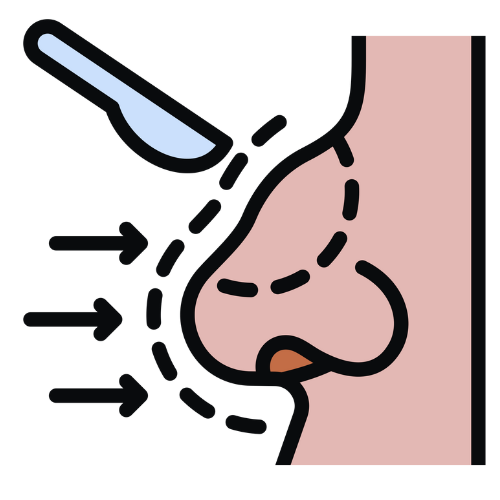
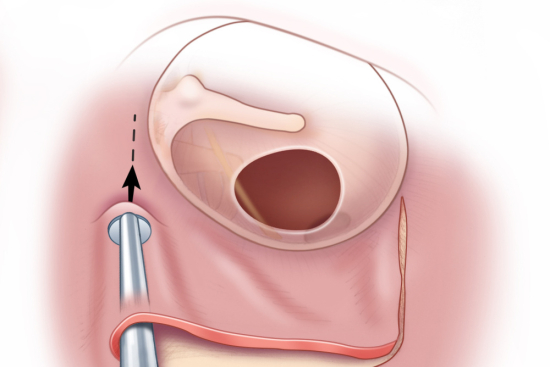
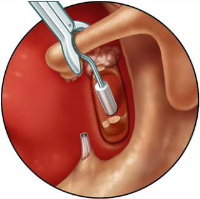
A small incision (hemitransfixion or Killian incision) is made inside the nostril — no external cuts, no visible scarring. The mucoperichondrial flap is elevated from the deviated cartilage and bone, which is then precisely reshaped, repositioned, or partially removed while preserving the structural integrity of the septum. Silastic splints or absorbable sutures are placed to maintain the corrected position during healing. Nasal packing is used selectively — many surgeons now avoid packing entirely using modern haemostatic techniques.
Combined Procedures — Septoplasty + Turbinate Reduction + FESS
Septoplasty is frequently combined with additional procedures in the same anaesthetic to maximise airway improvement:
| Combined Procedure | Indication | Benefit Added |
|---|---|---|
| Inferior turbinate reduction (turbinoplasty) | Compensatory hypertrophy of inferior turbinate on the wider side | Improves bilateral nasal airflow; addresses both structural causes of obstruction |
| FESS (sinus surgery) | Concurrent chronic sinusitis with sinus disease on CT | Resolves both septal obstruction and sinusitis in single anaesthetic |
| Rhinoplasty (septorhinoplasty) | Concurrent cosmetic nasal concern | Reshapes external nose simultaneously; no additional recovery from combining |
Recovery After Septoplasty
Day 1–3:
Nasal congestion and mild bloody discharge are expected. Splints or packing (if placed) restrict airflow temporarily. Oral analgesia manages mild discomfort — septoplasty is generally well-tolerated. Most patients rest at home.
Day 5–7:
Splints are removed at the first clinic review — patients commonly report immediate breathing improvement at this appointment. Nasal saline rinses begin immediately after splint removal.
Week 2:
Return to office work and light activities. Nose blowing should be gentle; forceful blowing risks displacing the corrected septum during early healing.
Weeks 2–6:
Avoid contact sports, heavy lifting, and any activity risking nasal impact. Gradual improvement in nasal airflow continues as internal swelling resolves. Complete internal healing takes 3–6 months.
💡 Insurance note:
Septoplasty is classified as a functional ENT procedure in India and is covered under most health insurance policies. It is not classified as cosmetic surgery unless combined with rhinoplasty purely for aesthetic reasons. SurgiPartner’s insurance team handles pre-authorisation and cashless processing at partner hospitals —
call +91 9030053009.
Frequently Asked Questions — Septoplasty Surgery Hyderabad
Yes — septoplasty is covered under most health insurance policies in India as a functional surgical procedure for medically indicated nasal obstruction. Coverage requires documentation of nasal symptoms and clinical evidence of deviation on endoscopy. Pure cosmetic rhinoplasty is not covered, but septoplasty for functional breathing improvement is. SurgiPartner handles the complete insurance process — pre-authorisation, cashless admission, and claim processing at Hyderabad partner hospitals. Contact +91 9030053009 to verify your specific coverage.

Once surgically corrected, a deviated septum does not return. Septoplasty provides permanent structural correction. Very rarely, if insufficient cartilage or bony support is preserved during surgery, memory forces in the cartilage may cause minor redeviation over time — this is uncommon with experienced surgeons who use contemporary cartilage-preservation and scoring techniques. Revision septoplasty is occasionally required for incomplete correction or recurrent symptoms.
Septoplasty improves snoring caused by nasal obstruction by restoring nasal airflow, reducing mouth breathing during sleep, and improving nasal CPAP compliance in patients with obstructive sleep apnoea. If snoring is primarily caused by palatal vibration or oropharyngeal laxity rather than nasal obstruction, septoplasty alone will not eliminate snoring — additional assessment by a sleep specialist may be required. SurgiPartner's ENT team evaluates the complete airway before recommending surgery — call +91 9030053009.
Why Choose SurgiPartner?
Choosing SurgiPartner means choosing precision, safety, and advanced ENT expertise. Our approach to Septoplasty Surgery focuses on restoring natural breathing, improving sleep quality, and enhancing overall wellness through minimally invasive care.
01.
Expert Laparoscopic Surgeons
Our team of skilled ENT specialists has performed hundreds of successful septoplasty procedures with outstanding results and patient comfort.
02.
Advanced Endoscopic Technology
We use state-of-the-art endoscopic systems for maximum precision, minimal bleeding, and faster recovery.
03.
Personalized Treatment Plans
Every nose structure is unique - we design customized surgical plans that ensure the best functional and cosmetic outcomes.
04.
Pain-Free & Quick Recovery
Experience a smooth, minimally invasive surgery with faster healing and improved breathing within days.
Book Your Consultation
Take the first step toward better breathing and comfort with SurgiPartner advanced Septoplasty Surgery. Our specialists are here to guide you through a safe, precise, and life-improving ENT care experience.
Breathe better, live better – that’s the SurgiPartner promise.
Breathe Freely Again
Our advanced, painless & bloodless septoplasty procedures have helped patients overcome chronic nasal blockage, snoring, and breathing issues — restoring comfort and quality of life.
“I had been struggling with nasal congestion for years. After septoplasty here, I can finally breathe easily through both nostrils. The recovery was smooth and almost pain-free!”
Your Personalized Path to Wellness
Follow your step-by-step guide to a successful surgery and recovery, with our expert team supporting you all the way.
Book FREE Consultation
Fill in your details and we'll call you back to confirm your slot.