
Cataract Surgery: Restoring Clear Vision in Hyderabad

You first noticed it during your evening drive.

The streetlights seemed hazy. The headlights of oncoming cars created glares and halos. You squinted harder, hoping it would pass.

But it didn’t.

Over weeks, the haziness got worse. Reading became difficult. Watching TV required more light. Your world was becoming progressively cloudier.

You might have cataracts. And while it’s concerning, the good news is simple: Cataract surgery is one of the most successful surgeries in the world.

Millions of people have cataract surgery every year, and the vast majority see dramatically improved vision. In fact, cataract surgery has changed more lives than any other surgical procedure.

In this guide, we’ll explain what cataracts are, why they develop, how surgery restores your vision, what to expect during recovery, and most importantly, how to get back to seeing the world clearly.

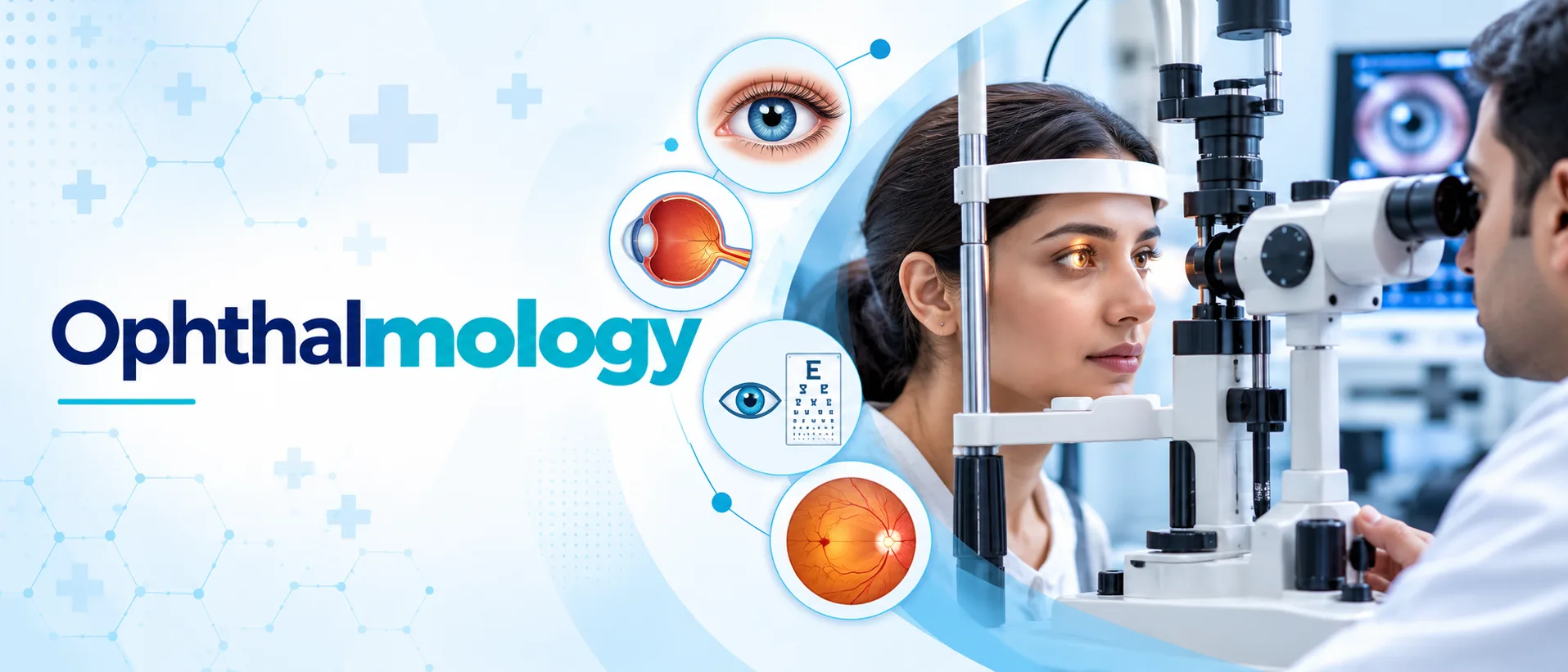
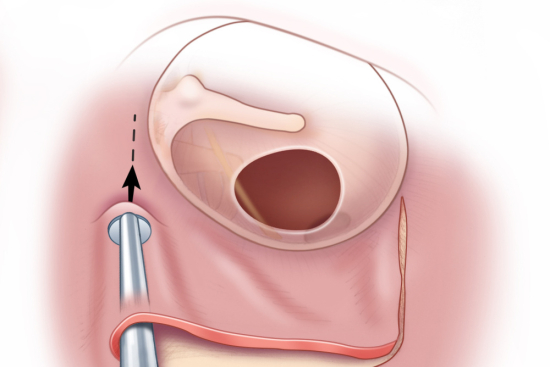
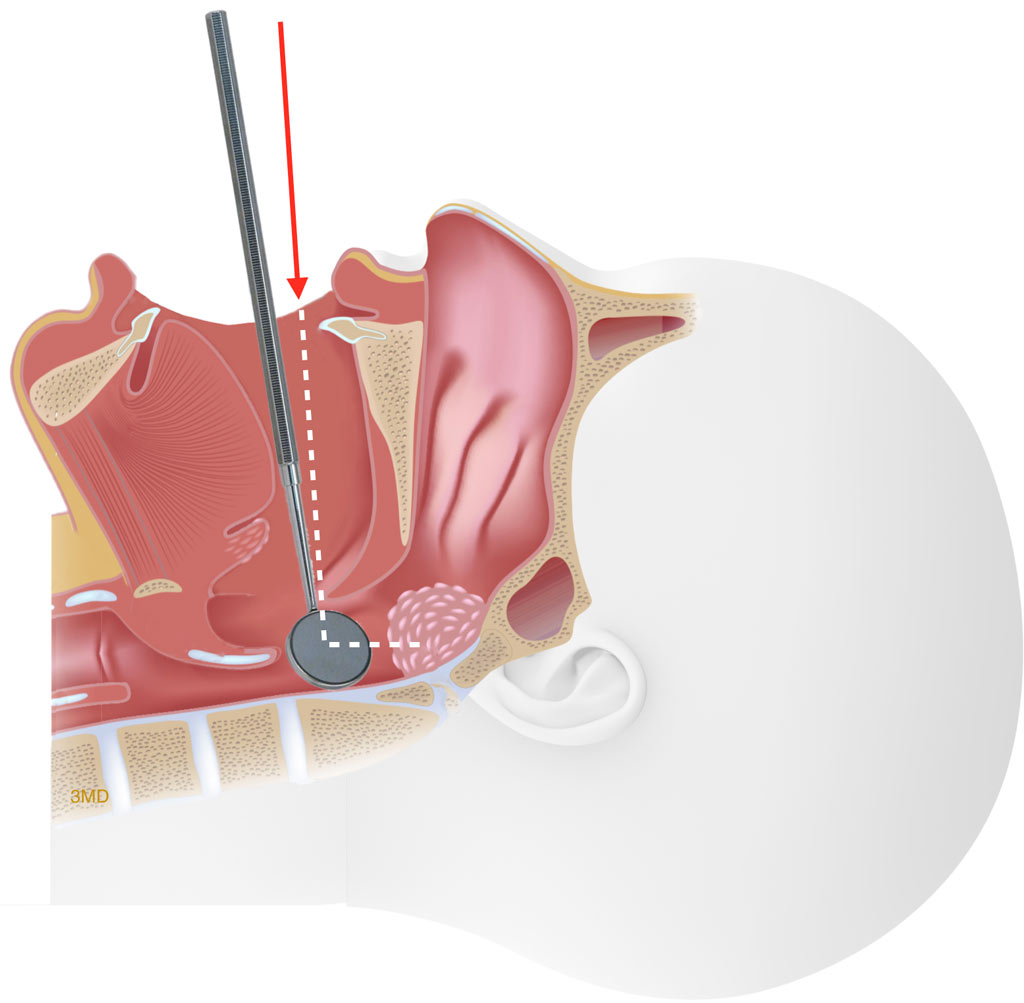
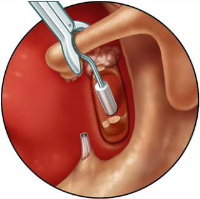
Cataract eye surgery procedure being performed in Hyderabad with modern phacoemulsification technique to restore clear vision

What Are Cataracts? Understanding the Problem

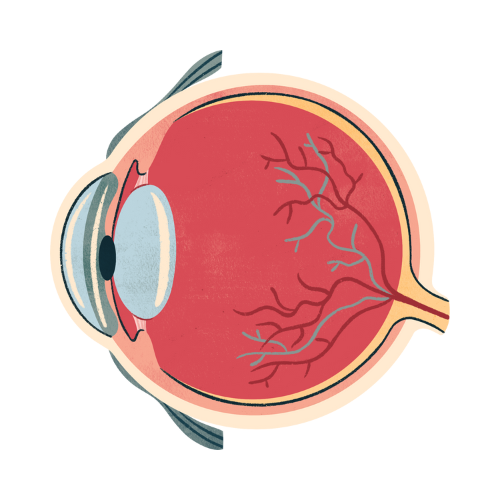
Your eye’s lens is naturally clear. It focuses light onto the retina at the back of your eye, allowing you to see. In healthy eyes, light passes through the lens and everything is crystal clear. In eyes with cataracts, the lens becomes cloudy. It’s like looking through frosted glass—light is scattered, and your vision becomes blurry, dim, and hazy. This cloudiness develops slowly, usually over years. You might not even realize it’s happening until one day you notice you’re struggling to see.

Why Do Cataracts Form?

The lens is made of proteins. Over time, these proteins clump together, making the lens cloudy. This happens because: 1. Age (Most Common)
  • a. Normal aging process
  • b. Usually develops after age 50
  • c. Nearly everyone gets some cataracts if they live long enough
2. UV Exposure
  • a. Unprotected sun exposure damages lens proteins
  • b. Cumulative over years and decades
  • c. Wearing UV-protective sunglasses helps prevent
3. Injury or Trauma
  • a. Previous eye injury can trigger cataract development
  • b. Can develop immediately or years after injury
4. Medical Conditions
  • a. Diabetes (dramatically increases risk and speed)
  • b. High blood pressure
  • c. Myopia (nearsightedness)
5. Medications
  • a. Long-term steroid use (especially for other conditions)
  • b. Can accelerate cataract formation
6. Smoking
  • a. Dramatically increases cataract risk
  • b. Smokers develop cataracts 2-3 times earlier than non-smokers
7. Poor Nutrition
  • a. Lack of antioxidants
  • b. Vitamin deficiencies
8. Genetic Predisposition
  • a. Family history increases risk
  • b. You can’t change this, but you can manage other factors

Symptoms: How to Know if You Have Cataracts

Cataracts develop slowly. You might not notice until they’re significantly affecting your vision.

1. Early Signs

  • a. Slightly hazy or blurry vision
  • b. Difficulty seeing at night (especially driving)
  • c. Glare or halos around lights
  • d. Need for more light when reading
  • e.  Colors appear slightly faded or yellowish
  • f. Frequent changes in eyeglass prescription

2. Moderate Cataracts

  • a. Noticeable vision loss (even with glasses)
  • b. Difficulty with daily activities (reading, driving, recognizing faces)
  • c. Increased light sensitivity
  • d. Difficulty with night driving (halos very prominent)
  • e. Difficulty with tasks requiring fine vision

3. Advanced Cataracts

  • a. Significant vision loss
  • b. Lens appears white or opaque (visible in pupil)
  • c. Difficulty with most activities
  • d. Night driving becomes dangerous
  • e. Unable to see well enough to enjoy daily life
Important: Cataracts don’t cause pain. If you have eye pain, it’s a different problem and needs urgent evaluation.

Living with Cataracts: Temporary Management Options

If cataracts aren’t yet severe, you might manage with:

1. Improved Lighting

  • a. Brighter bulbs in reading areas
  • b. Task lighting for detailed work
  • c. Avoid driving at night (honestly, just avoid it if cataracts are affecting night vision)

2. Eyeglass Changes

  • a. New prescription (cataracts require frequent changes)
  • b. Anti-glare lenses
  • c. UV-protective coatings
  • d. Larger frames for more light entering

3. Sunglasses

  • a. High-quality UV-protective sunglasses (prevents progression)
  • b. Polarized lenses reduce glare
  • c. Dark tinted lenses help with light sensitivity

4. Lifestyle Adjustments

  • a. Schedule important activities during daytime
  • b. Ask someone else to drive at night
  • c. Simplify visual tasks
  • d. Use e-readers with larger fonts
But here’s the reality: These are temporary fixes. Cataracts don’t improve on their own. They only get worse. Eventually, if you wait long enough, they cause legal blindness.

Surgery: The Only Permanent Solution

When cataracts significantly affect your quality of life, surgery is the answer.

1. When to Consider Surgery

  • a. Vision loss interferes with daily activities
  • b. Night driving becomes unsafe
  • c. You can’t read comfortably
  • d. You can’t recognize faces clearly
  • e. You can’t enjoy hobbies you care about
  • f. Your profession requires good vision
There’s no “perfect time” for cataract surgery. You and your doctor decide together when the benefits of improved vision outweigh the minor risks of surgery.

Cataract Surgery: The Procedure

What Gets Removed?

Your surgeon removes your cloudy natural lens and replaces it with an artificial lens (called an intraocular lens or IOL). This artificial lens becomes a permanent part of your eye.

Types of Cataract Surgery

1. Phacoemulsification (Most Common)
  • a. Your surgeon makes a small incision (2-3 mm)
  • b. Ultrasound breaks the cloudy lens into tiny fragments
  • c. These fragments are gently suctioned out
  • d. An artificial lens is folded and inserted
  • e. The incision is so small, often no stitches are needed
  • f. Recovery is fastest with this method
2. Femtosecond Laser-Assisted Surgery
  • a. Advanced laser creates the incisions
  • b. More precise than manual incisions
  • c. Similar recovery to phacoemulsification
  • d. Slightly more expensive
  • e. Beneficial for specific cases
3. Extracapsular Surgery
  • a. Used for very advanced cataracts
  • b. Slightly larger incision
  • c. The entire lens nucleus is removed intact
  • d. Rarely used in modern surgery
Most surgeons use phacoemulsification or laser-assisted—both excellent with fast recovery.

The Actual Surgery (10-20 minutes)

Step 1: Numbing
  • Eye drops numb your eye
  • You’ll feel pressure but no pain
  • Mild sedative helps you relax
Step 2: Incision
  • Small incision made (2-3 mm)
  • Completely painless
Step 3: Breaking Up the Lens
  • Ultrasound probe inserted
  • Cloudy lens is broken into fragments
  • Fragments are gently removed
Step 4: Lens Replacement
  • Artificial lens is folded
  • Inserted through the small incision
  • Unfolds inside your eye naturally
  • No stitches needed (self-sealing incision)
Step 5: Closure
  • Incision seals itself
  • Protective shield placed over eye
  • Surgery complete

Choosing Your Artificial Lens: Important Decision

You’ll need to choose what type of artificial lens to use:

1. Standard Monofocal Lens (Most Common)

  • a. Provides clear vision at one distance (distance OR reading)
  • b. After surgery, you’ll still need reading glasses
  • c. Cost: Usually covered by insurance
  • d. Very predictable results
Best for: People okay with wearing reading glasses; those wanting to minimize cost

2. Premium Multifocal Lens

  • a. Provides clear vision at multiple distances (distance, intermediate, reading)
  • b. Reduced need for glasses
  • c. Some people report seeing halos or glare (usually resolves)
  • d. Cost: Additional out-of-pocket expense (₹20,000-40,000 extra)
Best for: People wanting to minimize dependence on glasses; those willing to pay for convenience

3. Astigmatism-Correcting Lens (Toric)

  • a. If you have astigmatism, corrects it
  • b. Reduces or eliminates need for glasses
  • c. More expensive than standard
  • d. Excellent results for astigmatism
Best for: People with astigmatism wanting vision correction

4. Extended Depth of Focus Lens

  • a. Relatively new technology
  • b. Clear vision across a range of distances
  • c. Fewer halos/glare than multifocal
  • d. More expensive
  • e. Increasingly popular
Your surgeon will discuss which lens is best for your specific eyes and visual needs.

Recovery: What Happens After Cataract Surgery

1. First 24 Hours

  • a. Eye is sensitive and teared
  • b. Vision is blurry (expected)
  • c. Mild discomfort (not pain)
  • d. Protective shield or patch on eye
  • e. Arrange transportation (can’t drive)
  • f. Rest and keep eye protected

2. First Week

  • a. Vision improves dramatically each day (amazing!)
  • b. Slight blurriness remains but continues improving
  • c. Use prescribed antibiotic and anti-inflammatory drops
  • d. Avoid water (no swimming, shower water in eye)
  • e. Avoid lifting or straining
  • f. Most people can return to desk work
  • g. Don’t rub your eye
  • h. Sleep with extra pillow elevation

3. Week 2-4: Further Improvement

  • a. Vision continues to clarify
  • b. Most daily activities okay
  • c. Still avoid heavy lifting (nothing over 5 kg)
  • d. Avoid contact sports
  • e. Drops continue (frequency decreases)
  • f. Light activity okay

4. Month 1-3: Achieving Final Vision

  • a. Vision is mostly stabilized
  • b. You’ll have a new eyeglass prescription (if needed)
  • c. Most activities fully resumed
  • d. Exercise and sports okay (check with surgeon)
  • f. No more restrictions

Important: Vision continues improving for up to 6 weeks after surgery. Don’t get your new eyeglass prescription until at least 4-6 weeks

post-surgery.

Cataract Surgery Costs in Hyderabad

Basic cataract surgery costs ₹50,000 to ₹1,50,000 per eye, depending on:
  • a. Standard vs. premium artificial lens
  • b. Hospital and surgeon reputation
  • c. Technology used (laser-assisted vs. manual)
  • d. Your specific eye condition

Cost Breakdown

  • a. Surgeon fee: ₹20,000-40,000
  • b. Hospital and facility: ₹15,000-40,000
  • c. Artificial lens: ₹15,000-60,000 (depends on type)
  • d. Anesthesia: ₹5,000-10,000
  • e. Post-operative care and drops: ₹2,000-5,000

What’s Included

  • a. Pre-operative evaluation
  • b. Surgery
  • c. Artificial lens
  • d. Post-operative follow-up (3-4 visits over 6 weeks)
  • e. Necessary antibiotic and anti-inflammatory drops

Insurance Coverage

  • a. Most insurance covers cataract surgery (it’s medically necessary)
  • b. May cover standard lens but not premium lens
  • c. Check your specific policy

The Value Perspective

Yes, cataract surgery costs money. But consider:
  • a. You’ll have this lens for life
  • b. It restores activities you love
  • c. It prevents blindness
  • d. One-time cost vs. ongoing vision loss
Most people say it’s money well spent.

Cataract Surgery Costs in Hyderabad

Cataract surgery is extremely safe. Serious complications are rare.

Common Temporary Issues

  • a, Mild inflammation (normal, resolves with drops)
  • b. Dry eye (temporary, improves over weeks)
  • c. Slight blurring initially (expected, resolves)
  • d. Floaters (shadows moving in vision, usually improve)

Less Common Issues

  • a, Posterior capsule opacification (clouding behind lens; easily fixed with laser)
  • b. Mild astigmatism (slight blurriness; correctable with glasses or additional procedure)
  • c. Increased eye pressure (managed with drops)
  • d. Retinal swelling (rare, treated with medication)

Serious Complications (Very Rare)

  • a. Infection (1 in 1,000)
  • b. Bleeding
  • c. Retinal detachment (extremely rare)
Most of these can be managed successfully. The surgery itself has a 98%+ safety rate.

Life After Cataract Surgery: Vision Restored

Most people report that cataract surgery is life-changing.

What Improves

  • a. Colors are vivid again (you didn’t realize how faded they became)
  • b. Night vision dramatically improves
  • c. Reading without heavy magnification
  • d. Watching TV without straining
  • e. Driving safely again
  • Recognizing faces clearly
  • Enjoying outdoor activities

What Doesn’t Change (Usually)

  • a. You might still need reading glasses (depending on lens choice)
  • b. Presbyopia (age-related reading difficulty) still develops (but less bothersome than cataracts)
  • c. Other eye conditions (like macular degeneration) are still present

Frequently Asked Questions About LASIK

Does cataract surgery hurt?

No. You feel pressure and vibration, but no pain. Numbing drops prevent pain.

10-20 minutes typically. You’re in the facility for 2-3 hours total (pre-op, surgery, recovery).

Possibly. Depends on lens choice and your other eye conditions. Many people need reading glasses (like everyone else when aging).
Usually surgeons do one eye at a time, 1-2 weeks apart. This lets the first eye heal while the second is scheduled.

No. It’s inside your eye; you won’t feel it or see it.

Forever. Artificial lenses don’t wear out. You’ll have this lens for the rest of your life.

    Request a Consultation


    Fill out the form below and we’ll get in touch to discuss your needs.



    Why Surgipatner

    ✔Right Doctor Guidance
    Best Hospitals in Your Budget
    Free Consultation
    Complete Surgery Support

    What Our Patients & Partners Say

    4.9 rating on google 

    Scroll to Top