
Natural Tightening • Enhanced Function • Complete Confidentiality
Restore Comfort, Confidence & Intimacy with SurgiPartner Advanced Vaginoplasty Surgery
Vaginoplasty Surgery in Hyderabad — Expert Female Surgeons
Vaginal laxity — the loosening and weakening of the vaginal canal and surrounding pelvic floor structures — is an extremely common consequence of childbirth, particularly after multiple vaginal deliveries, and also occurs with ageing and hormonal changes at menopause. Many women experience reduced sensation during intimacy, stress urinary incontinence (leaking with coughing, sneezing, or exercise), pelvic floor weakness, and significant psychological distress as a result. Despite being so common, vaginal laxity is rarely discussed openly — women often suffer in silence for years before seeking help. Vaginoplasty (vaginal tightening surgery) at SurgiPartner Hyderabad provides a permanent, effective surgical solution — performed by experienced female plastic and gynaecological surgeons in complete confidentiality. You are not alone, and effective help is available.
What Is Vaginoplasty?
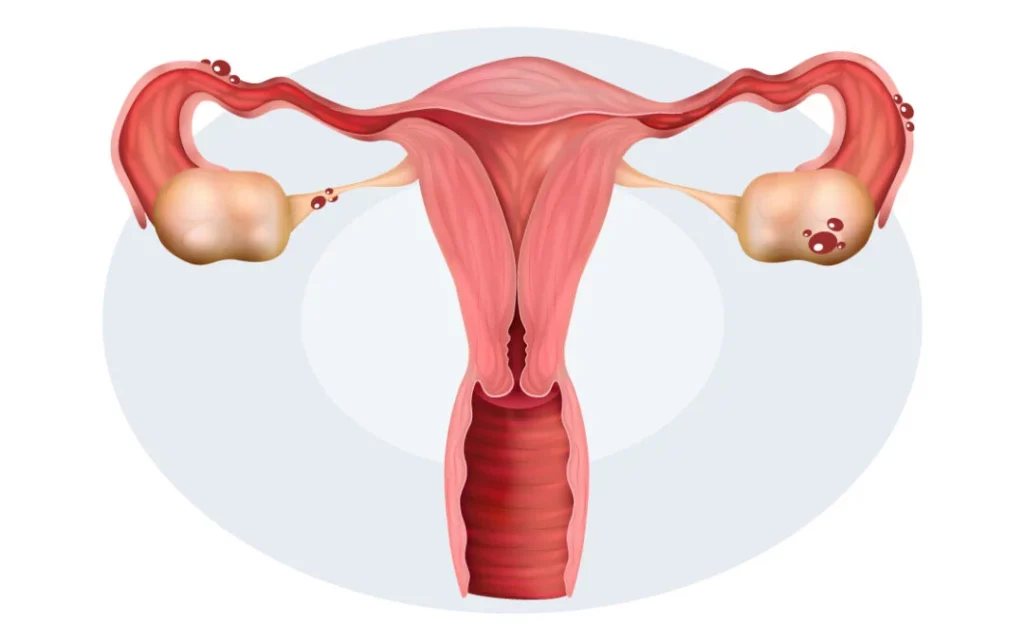
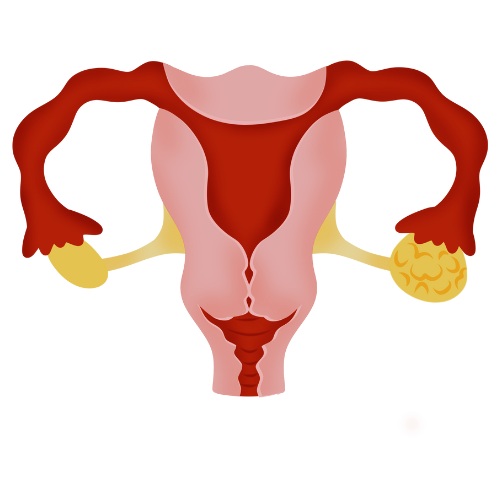
Vaginoplasty is a surgical procedure to tighten, reconstruct, or repair the vaginal canal and its surrounding structures. The most common type — posterior colporrhaphy with perineoplasty (vaginal tightening) — removes excess redundant vaginal mucosa from the posterior (back) vaginal wall and tightens the underlying pubococcygeal and levator ani muscles of the pelvic floor, reducing the vaginal diameter and restoring muscle tone. The procedure is performed under general or spinal anaesthesia and requires a 1-night hospital stay. Recovery takes 6–8 weeks, with full results assessed at 3 months.
Vaginoplasty should be distinguished from labiaplasty (reshaping of the external labia) and hymenoplasty (hymen reconstruction) — these are entirely different procedures addressing different anatomical structures. Many women require more than one of these procedures, and SurgiPartner’s surgeons offer all three individually or in carefully planned combinations.
Types of Vaginoplasty Procedures Offered at SurgiPartner
| Procedure | Anatomy Addressed | Primary Indication | Combined With |
|---|---|---|---|
| Posterior Colporrhaphy | Posterior vaginal wall + pelvic floor muscles | Vaginal laxity; reduced sensation; rectocele (bowel bulge) |
Perineoplasty; labiaplasty |
| Anterior Colporrhaphy | Anterior vaginal wall + pubovesical fascia | Cystocele (bladder bulge); stress urinary incontinence |
Mid-urethral sling; posterior repair |
| Perineoplasty | Perineal body — between vaginal opening and anus | Perineal laxity; episiotomy scar; gaping introitus after delivery |
Posterior colporrhaphy; labiaplasty |
| Combined Posterior Repair + Perineoplasty | Posterior wall + perineum + introitus | Comprehensive post-partum restoration — most commonly requested combination | Labiaplasty if needed |
| Reconstructive Vaginoplasty | Complete vaginal canal | Congenital vaginal absence (MRKH syndrome); post-oncological resection | Requires specialist consultation |
Am I a Candidate for Vaginoplasty? — Symptoms and Candidacy
You may benefit from vaginoplasty if you experience any of the following:
- Vaginal laxity — a feeling of looseness or “loss of tone” in the vaginal canal following childbirth or with ageing
- Reduced sensation during sexual intercourse — directly attributed to vaginal laxity rather than hormonal or psychological causes
- Stress urinary incontinence — leaking urine with coughing, sneezing, laughing, or physical exercise (associated with anterior wall weakness)
- Pelvic floor weakness — difficulty engaging core muscles; sensation of vaginal “wind”
- Rectocele (posterior vaginal wall prolapse) — a bowel bulge through the back vaginal wall causing difficulty with bowel emptying
- Perineal damage from childbirth — poorly healed episiotomy, perineal tears causing gaping introitus or scar discomfort
- Psychological distress from bodily changes after childbirth affecting intimacy and self-confidence
The ideal candidate for vaginoplasty is a woman who has completed her family (no further vaginal deliveries planned), is in good general health, is a non-smoker or willing to stop smoking, and has realistic expectations about surgical outcomes.

Vaginoplasty Procedure — Step by Step
Step 1: Private Consultation & Examination
Your confidential consultation includes a sensitive internal gynaecological examination to assess the degree and type of vaginal laxity, identify associated prolapse (cystocele, rectocele), and plan the most appropriate surgical approach. Pelvic floor physiotherapy assessment may be arranged before surgery to optimise muscle function pre-operatively and plan post-operative rehabilitation.

Step 2: Anaesthesia
Vaginoplasty is performed under general anaesthesia (most common) or spinal anaesthesia (regional block — awake but completely numb). Both options are equally safe and comfortable. General anaesthesia is preferred for combination procedures or patient preference. The patient is positioned in the lithotomy position (lying on back with legs supported).
Step 3: Posterior Colporrhaphy
A diamond-shaped wedge of redundant posterior vaginal mucosa is excised. The underlying pubococcygeal muscles and levator ani are identified on both sides and approximated (brought together and sutured) in the midline using absorbable sutures — restoring the muscular pelvic floor support that was disrupted by childbirth. The vaginal mucosa is then closed over the repaired muscles. All sutures are absorbable — no suture removal is needed.
Step 4: Perineoplasty (if included)
The perineal body is reconstructed by suturing the transverse perinei muscles and superficial perineal fascia in the midline, restoring the external perineal architecture. The perineal skin is closed with a fine subcuticular absorbable suture. The introital calibre (vaginal opening size) is adjusted to the patient’s preferences as discussed pre-operatively.
Step 5: Recovery and Discharge
Procedure duration: 60–90 minutes. Hospital stay: 1 night (2 nights if combination procedures). Catheter removed after 24 hours. Patients typically report feeling more comfortable than anticipated within 24–48 hours post-surgery.
Recovery After Vaginoplasty — Week by Week
| Timeline | Experience | Instructions |
|---|---|---|
| Day 1–3 | Mild to moderate discomfort, swelling of perineal area. Catheter in for 24 hours. | Prescribed analgesics. Sitz baths with warm water from Day 2. Loose cotton underwear. Sanitary pad. |
| Day 4–7 | Discomfort significantly reducing. Swelling subsiding. Return to light activity. | Gentle walking encouraged. High-fibre diet essential to avoid constipation (straining damages repair). No heavy lifting. |
| Week 2 | Most discomfort resolved. Sutures dissolving. Return to desk work. | Continue gentle hygiene. No exercise involving perineal pressure. Avoid prolonged standing or sitting. |
| Week 4–6 | Well-healed. Return to most normal activities. | Avoid sexual intercourse and tampon use for 6–8 weeks minimum. Light exercise (walking, swimming) from Week 4. |
| Month 3 | Full healing. Final anatomical result established. Follow-up assessment. | Pelvic floor physiotherapy strongly recommended post-surgery. All activities resumed after clearance at 3-month visit. |
Frequently Asked Questions — Vaginoplasty Surgery Hyderabad
Vaginoplasty addresses the internal vaginal canal — tightening the vaginal walls and restoring pelvic floor muscle support. It is an internal procedure. Labiaplasty addresses the external labia minora and/or labia majora — reducing or reshaping their size and appearance. It is an external procedure. They treat completely different anatomical areas. Both can be performed in the same surgical session if a patient has concerns about both areas. SurgiPartner's surgeons offer both procedures individually and combined.
Absolutely — complete confidentiality is our unconditional commitment. All consultations, examinations, procedures, and medical records are strictly private. Our female surgical team will never judge, question, or share information about your care without your explicit written consent. SurgiPartner's team is specifically trained to provide sensitive, compassionate care for gynaecological cosmetic procedures.
Hospital stay is 1 night. Return to desk work: Week 2. Sexual intercourse and tampons avoided for 6–8 weeks minimum. Light exercise from Week 4. Full recovery and final anatomical result at 3 months. Pelvic floor physiotherapy post-surgery is strongly recommended to maximise and maintain long-term results. SurgiPartner provides post-operative physiotherapy referral as part of the care package.
Vaginoplasty is a safe, well-established gynaecological procedure when performed by an experienced surgeon. Common minor effects include temporary swelling, bruising, and discomfort. Rare complications include infection (managed with antibiotics), haematoma (blood collection), and wound healing delay — all treatable. Serious complications are very uncommon at experienced centres. SurgiPartner partners exclusively with experienced female gynaecological and plastic surgeons for this procedure.
Pelvic floor physiotherapy and Kegel exercises are effective for mild pelvic floor weakness, bladder control improvement, and general pelvic health maintenance. However, they cannot repair structural damage — torn pelvic floor fascia, disrupted levator ani muscle fibres, or perineal body damage from obstetric tears or episiotomy. For moderate to severe vaginal laxity with structural damage from childbirth, surgical repair (vaginoplasty) is the only effective permanent solution. Many patients are advised to complete a course of pelvic floor physiotherapy before surgery and to continue it post-operatively for optimal outcomes.
Yes — SurgiPartner provides exclusively female surgeons for vaginoplasty, labiaplasty, hymenoplasty, and all sensitive gynaecological cosmetic procedures. A female surgeon will be arranged as a standard for these procedures — you do not need to make a special request, though you are welcome to confirm this preference when booking. All clinical staff involved in your care, from consultation through to recovery, will be female on request.
Why Choose SurgiPartner for Vaginoplasty?
Choosing SurgiPartner means choosing expert women’s healthcare with dignity and trust.
01.
Experienced Cosmetic Gynecologists
Specialists trained in advanced vaginal reconstructive procedures.
02.
Advanced Minimally Invasive Techniques
Precision surgery for natural tightening and faster healing.
03.
Complete Privacy & Confidentiality
Strict confidentiality protocols at every stage of care.
04.
Personalized Care & Emotional Support
Treatment plans tailored to anatomy, lifestyle, and goals.
Book Your Consultation
Take the first step toward relief from abdominal pain with SurgiPartner Advanced Appendectomy Surgery.
Live free from pain and discomfort that’s the SurgiPartner promise.
Vaginoplasty – Patient Experiences
“After childbirth, I felt a loss of confidence. The surgery helped me feel like myself again.”
Your Personalized Path to Wellness
Follow your step-by-step guide to a successful surgery and recovery, with our expert team supporting you all the way.
Book FREE Consultation
Fill in your details and we'll call you back to confirm your slot.