
SurgiPartner offers expert surgeons, advanced minimally invasive techniques, personalized care, faster recovery, and trusted results for safe and effective axillary breast removal.
Minimally Invasive Surgery • Natural Contour • Faster Recovery
Regain Comfort & Confidence with Advanced Axillary Breast Removal
Expert Surgeons
0
+
Successful Procedures
0
+
Cities
0
+
Axillary Breast Removal Surgery in Hyderabad — Expert Treatment
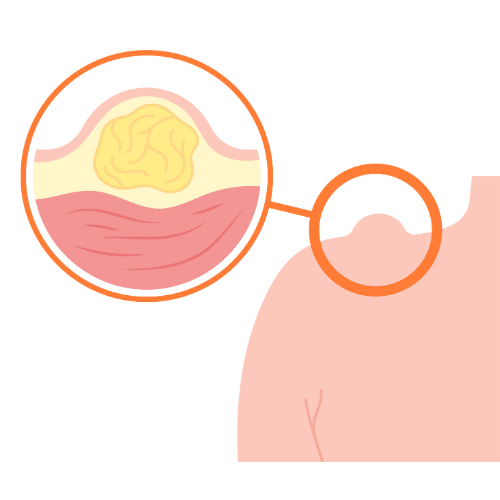
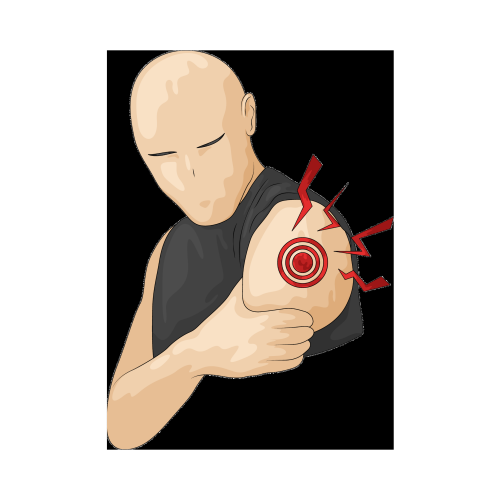
Axillary breast tissue — often called an accessory breast or ectopic breast tissue — is a congenital condition where functional breast tissue develops in the armpit (axilla) rather than or in addition to the normal chest location. Affecting an estimated 2–6% of women, axillary breast tissue causes significant cosmetic embarrassment (especially visible in sleeveless clothing), discomfort during the menstrual cycle, and can swell during pregnancy and lactation. Axillary breast removal surgery at SurgiPartner Hyderabad permanently eliminates this tissue through a minimally invasive approach with rapid recovery. All consultations are confidential.
What Is Axillary (Accessory) Breast Tissue?
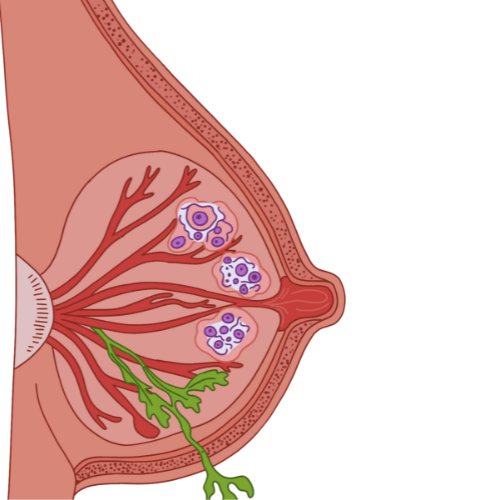
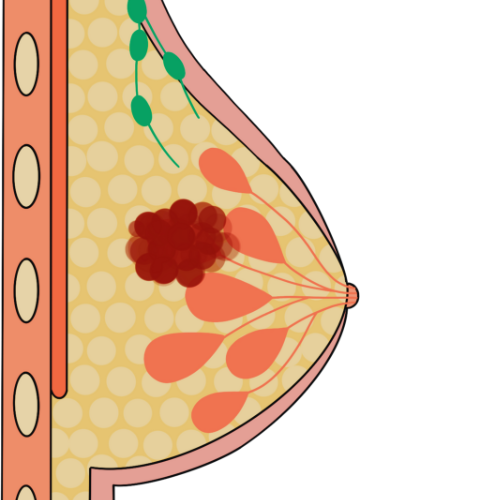
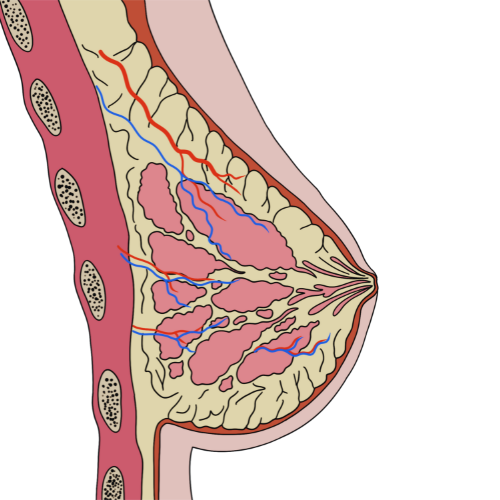
Axillary breast tissue is accessory breast tissue — normal breast glandular tissue (and sometimes nipple and areola) that develops in an ectopic (abnormal) location outside the standard chest breast mound. During embryonic development, breast tissue develops along the “milk line” — bilateral ridges running from the axilla to the groin. In most people, all breast tissue except the chest mound regresses before birth. When regression is incomplete, accessory breast tissue persists — most commonly in the axilla.
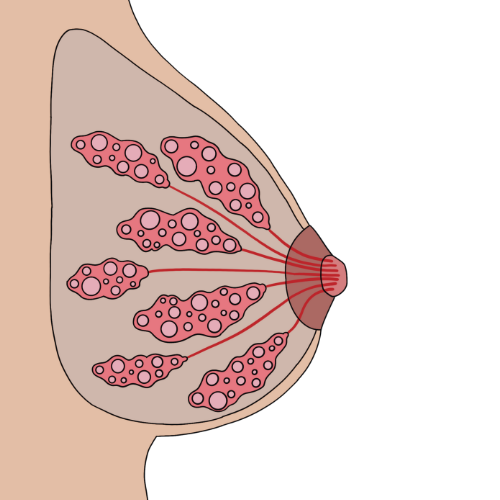
Axillary breast tissue contains the same glandular, fatty, and fibrous components as normal breast tissue. It responds to the same hormonal influences — oestrogen and progesterone — that affect normal breasts. This means it swells premenstrually, enlarges during pregnancy, lactates during breastfeeding, and is subject to the same diseases as normal breast tissue including fibroadenoma, cysts, and — rarely — breast cancer.
Symptoms of Axillary Breast Tissue
- A soft, mobile swelling in the armpit — often noticed as a visible bulge in sleeveless clothing
- Cyclical swelling and tenderness — worsens premenstrually, similar to normal breast premenstrual tension
- Significant enlargement during pregnancy — can become painful and interfere with arm movement
- Lactation from axillary tissue during breastfeeding — milk production from the axillary lump
- Difficulty wearing sleeveless or fitted clothing
- Friction and irritation from arm movement rubbing against the tissue
- Psychological distress from cosmetic embarrassment
Axillary Breast Removal — Surgical Options
Surgical Excision (Primary Approach)
The gold standard treatment for axillary accessory breast tissue. A carefully planned incision — typically in the natural skin fold of the armpit — is used to surgically excise the entire accessory breast tissue mass. The incision heals to become nearly invisible within the armpit skin fold. All removed tissue is sent for histopathological examination. This is the only method that guarantees complete removal with histopathological confirmation. Procedure duration: 45–90 minutes under general or local anaesthesia with sedation.
Liposuction-Assisted Excision
For axillary swellings with a significant fatty component, liposuction is used in combination with surgical excision to comprehensively remove both the glandular and fatty components. This produces a smoother, flatter result in the armpit with excellent cosmetic outcome. The 3mm liposuction cannula entry point leaves no visible scar.
Axillary Breast Removal Procedure — Step by Step
Step 1: Pre-operative Assessment
Ultrasound assessment of the axillary swelling confirms the presence of glandular breast tissue and excludes other diagnoses (lymph node enlargement, lipoma, soft tissue tumour). Mammography of the axillary region may be recommended to exclude associated lesions. A thorough history including menstrual pattern, pregnancy history, and family history of breast disease is taken.
Step 2: Anaesthesia
For small axillary tissue masses, local anaesthesia with IV sedation is sufficient. For larger masses or bilateral surgery, general anaesthesia is preferred. The patient is positioned with the arm abducted to provide optimal access to the axilla.
Step 3: Incision Planning
The incision is precisely planned within the natural skin crease of the axilla — providing access to the tissue while healing to an inconspicuous scar. The incision length is kept as short as practically possible while allowing complete tissue removal.
Step 4: Tissue Excision
The accessory breast tissue is carefully excised in its entirety. Care is taken to identify and protect the axillary neurovascular structures — the brachial plexus (arm nerve), axillary artery and vein, and the intercostobrachial nerve (responsible for upper arm skin sensation).
Step 5: Closure
The wound is closed in layers. A pressure dressing is applied to the axilla. Same-day discharge or overnight stay as indicated.


Frequently Asked Questions — Breast Lift Surgery Hyderabad
Axillary breast tissue (accessory breast) is normal breast glandular tissue that develops in the armpit rather than the chest — a congenital condition affecting 2–6% of women. It contains the same tissue as normal breast and responds to hormonal changes — swelling premenstrually, enlarging during pregnancy, and occasionally producing milk during breastfeeding. Surgical removal permanently eliminates the tissue.
Axillary breast tissue is not inherently dangerous — it is normal breast tissue in an ectopic location. However, because it contains glandular tissue, it can develop the same benign conditions (fibroadenoma, cyst) or — rarely — malignancies as normal breast tissue. This is why histopathological examination of all surgically removed axillary tissue is mandatory at SurgiPartner. Regular monitoring is recommended if the tissue is not removed.
Yes — axillary breast tissue contains functional milk-producing glands and can lactate during breastfeeding, sometimes producing a visible swelling and discharge from the axilla. This is manageable with breast binding and anti-lactation medication but can be distressing. Women who plan to have children and have symptomatic axillary breast tissue are often advised to consider removal before or after completing their family.
The surgical incision is placed within the natural skin crease of the axilla — the fold between the arm and the chest wall. This is one of the most concealable incision locations on the body. When the arm is at rest, the scar is completely invisible. With the arm raised, a fine, faded scar line may be visible within the armpit. SurgiPartner surgeons use refined closure techniques and silicone scar gel protocol for optimal scar outcomes.
Recovery is rapid. Patients go home the same day or after 1 night. Arm movement is restricted for 5–7 days — avoid raising the arm above shoulder height. Return to desk work is typically within 5–7 days. Full arm movement is restored by Week 2–3. Strenuous upper body exercise is avoided for 4–6 weeks. Most patients are surprised by how quickly they feel comfortable after the procedure.
When axillary breast tissue is completely excised surgically, recurrence is extremely rare — provided complete removal is confirmed. Weight gain may contribute to some fatty tissue accumulation in the axilla post-surgery, but the glandular component does not regenerate. Future pregnancies will not cause the excised tissue to return, though any residual microscopic tissue may enlarge under hormonal stimulation.
Insurance coverage for axillary breast removal depends on the insurer and the clinical documentation. When surgery is indicated for documented functional problems — significant enlargement during pregnancy, pain and restricted arm movement, or confirmed pathological lesions within the tissue — coverage is more likely. SurgiPartner's insurance team reviews your policy and prepares the necessary medical documentation to support pre-authorisation.
01.
Expert Cosmetic Surgeons
Highly experienced specialists in body contouring and aesthetic surgery.
02.
Minimally Invasive Techniques
Smaller incisions, minimal scarring, faster recovery.
03.
Personalized Treatment Approach
Customized plans based on tissue type and patient goals.
04.
Complete Post-Op Support
Dedicated follow-ups and recovery guidance.
Book Your Consultation
Take the first step toward relief from abdominal pain with SurgiPartner Advanced Appendectomy Surgery.
Live free from pain and discomfort that’s the SurgiPartner promise.
Patient Experiences – Axillary Breast Removal
“I can finally wear sleeveless dresses confidently.”
Sneha Reddy, Hyderabad
Your Personalized Path to Wellness
Follow your step-by-step guide to a successful surgery and recovery, with our expert team supporting you all the way.
Expert Case Assessment
Today
We review your medical history, understand your specific condition, and consult with specialists to map out your path.
Best-In-Class Doctor Match
48 hours
We connect you with the top-rated surgeon for your specific ailment and explain your treatment plan clearly.
Insurance & Financial Support
We handle your insurance claims directly and create a transparent financial plan so there are no surprises.
Seamless Admission Management
We handle all hospital paperwork, admission formalities, and pre-surgery testing for you.
On-Ground Surgery Support
Our 'Care Buddy' is physically present at the hospital on surgery day to ensure everything runs smoothly.
Bedside Recovery Support
We don't leave. We stay by your side at the hospital until the moment you are discharged.
3-Month Recovery Tracking
We don't stop at discharge. We monitor your recovery and coordinate with your doctor for 3 months post-surgery.
Book FREE Consultation
Fill in your details and we'll call you back to confirm your slot.