
Pelvic and Abdominal Pain

Pelvic and Abdominal Pain

Pudendal Neuralgia/ Neuropathy (PN)

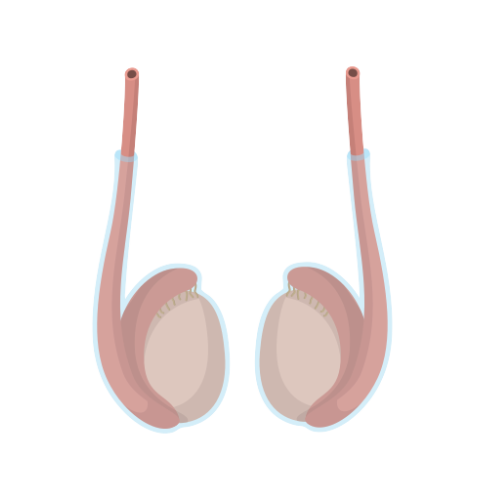
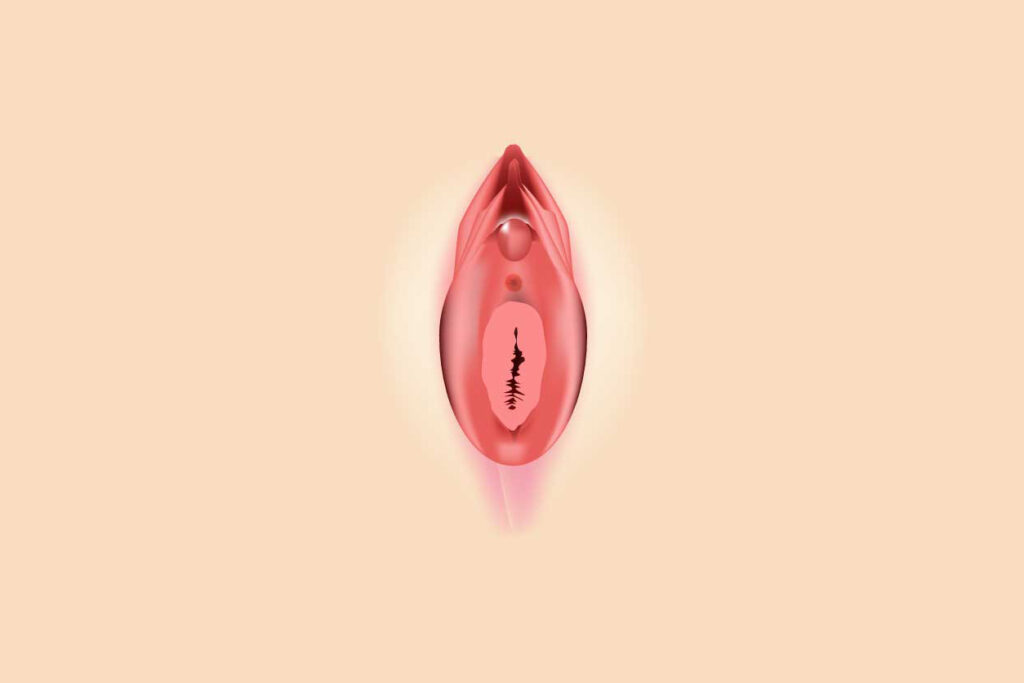
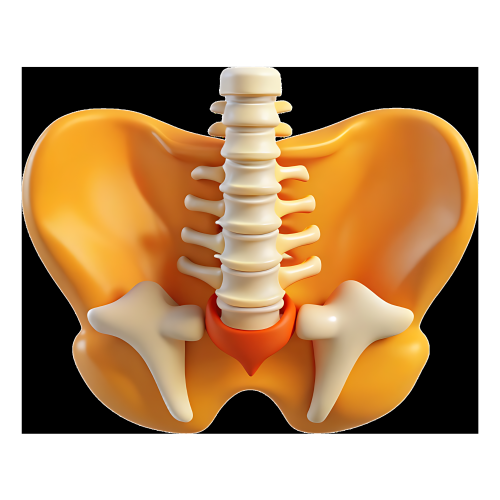
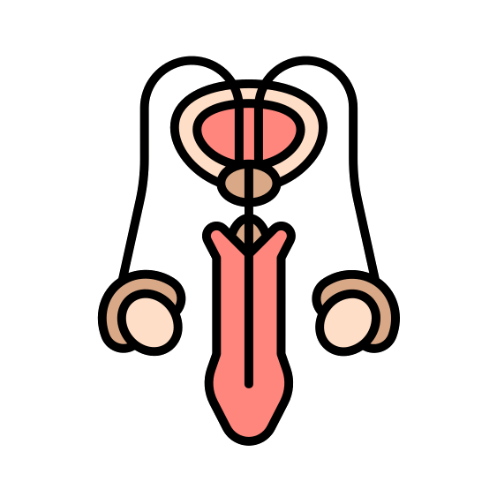
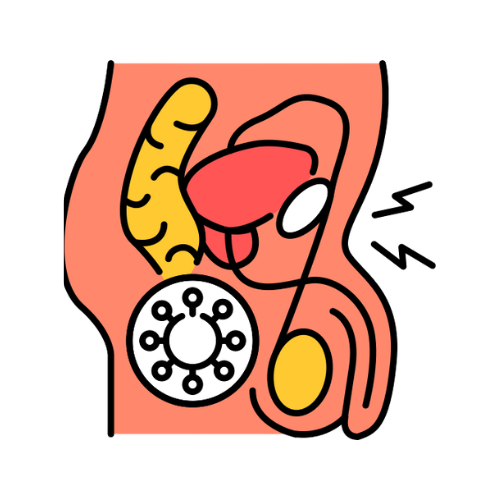
Pudendal nerve is one of the main nerves of the pelvis, with one nerve on each side. It runs from the lower back, along the pelvic floor to supply the genitals, lower part of rectum, and perineum (area between the sit bones). This nerve is closely involved with urinary and bowel functions.
Pudendal neuralgia is a condition related to irritation or damage of pudendal nerve, which presents as pain or altered sensation in the genital, rectal region or deep inside the pelvis. It is more common in women and is also addressed as cyclist syndrome, Alcock’s canal syndrome and pudendal nerve entrapment. Despite the significant advances in the evaluation and management of chronic pelvic pain, it often goes unrecognised. It can be associated with other conditions such as Chronic Pelvic Pain Syndrome, dysfunctional voiding, painful bladder syndrome, chronic prostatitis etc.

Signs and symptoms of Pudendal Neuralgia

Other symptom which may be present include

Other symptom which may be present include

PN Management

Management of this condition requires active patient participation and use of a combination of lifestyle changes, medical interventions. Treatment includes
    • Lifestyle changes are aimed at reducing the irritation of the nerve. These include avoiding activities which increase pain such as cycling, prolonged sitting, constipation etc, using a special cushion while sitting.
    • Neuropathic pain killers- these can help in reducing the pain
    • Injections such as pudendal nerve block, pelvic flood muscle or tender point injections Often a series of injections are performed for maximal benefit.


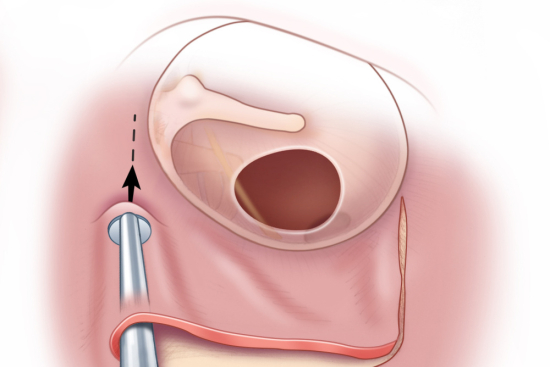
Pudendal Nerve Block:

The injection is performed for treatment of pelvic and genital pain. Resolution of pain a diagnostic nerve block, even if temporary, supports the diagnosis of pudendal neuralgia. These blocks also serve an important therapeutic role. As discussed previously the compression of nerve can occur anywhere along the path and hence sometimes a series of injections may be required. These blocks are performed as a day care procedure under local anaesthesia. Using image guidance (ultrasound, fluoroscopy or CT guidance) helps to improve safety and chances of success. If required your doctor may recommend pulsed radio frequency treatment of pudendal nerve for a more sustained response in future.

  • Pulsed radio-frequency treatment of the pudendal nerve, sacral nerve roots
  • Supervised Physiotherapy aimed at the pelvic floor muscles. This can help with muscle spasms, imbalances and in correcting other dysfunctions
  • Psychological support including cognitive behaviour therapy, meditation, mindfulness, self management and relaxation exercises

Anterior Cutaneous Nerve Entrapment Syndrome (Acnes)

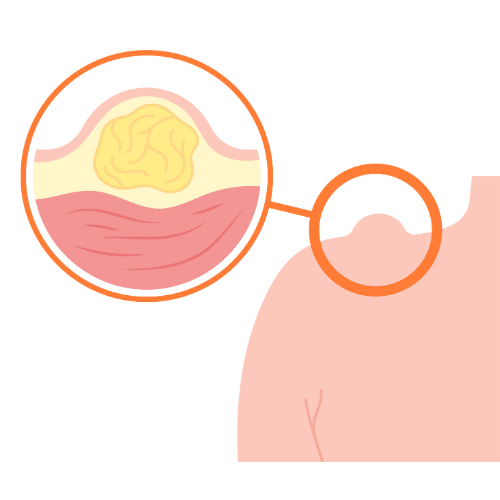
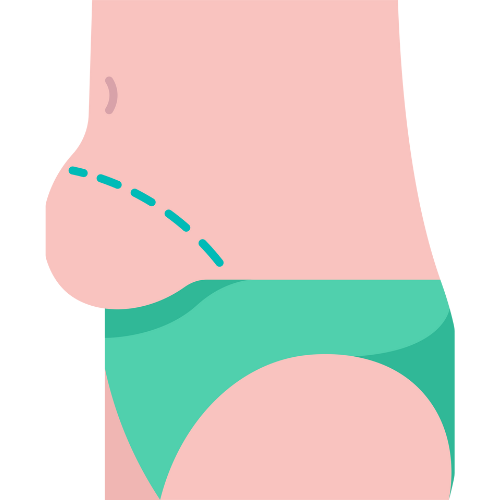
Chronic abdominal pain is a common reason for seeking medical attention. Pain generators in abdominal pain are not always easy to identify and may be located inside the abdomen, in the abdominal wall or in the nearby organs with pain being referred to the abdomen. ACNES is a common cause of abdominal wall pain and it involves entrapment of small nerves which supply the skin of abdominal wall as they pass through the abdominal muscle (lateral part of rectus muscle). A study from a Dutch teaching hospital found approximately 2% of patients presenting to emergency department with acute abdominal pain suffered from ACNES.

ACNES presents as localized unilateral abdominal pain and patients can usually pinpoint painful areas close to the middle of abdomen. Pain may be provoked by position change or tensing of abdominal muscles and is generally independent of food intake, bowel habits. Trauma or previous surgery can also contribute to the entrapment of these small nerves. Abdominal wall pain is frequently unrecognized and this often leads to a magnitude of investigations, specialist consultations, prolonged suffering, overtreatment and inefficient utilization of resources.

Ultrasound guided injections are used to confirm the diagnosis of ACNES and provide pain relief. Ultrasound guidance can not only help in identifying local but also helps in improving the accuracy and safety of injections. Sometimes repeat injections are required to provide sustained pain relief. I have successfully identified and treated ACNES on numerous occasions- most often after local trauma or surgeries such as caesarean section, open/ laparoscopic abdominal surgeries etc.

Book Free Consultation

Scroll to Top