
Safe Removal. Minimal Pain. Faster Healing
Get Lasting Relief from Tooth Pain with SurgiPartner Advanced Wisdom Tooth Surgery
Wisdom Tooth Removal Surgery in Hyderabad — Painless Extraction by Expert Oral Surgeons
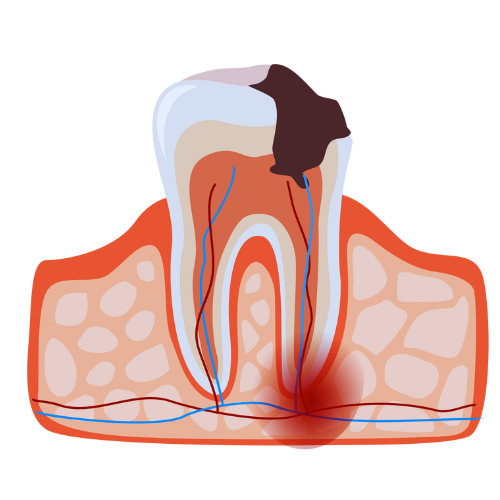
Wisdom teeth — the third molars, typically erupting between ages 17 and 25 — are the most commonly extracted teeth in dentistry worldwide. When sufficient space exists in the jaw and the tooth erupts in correct alignment, wisdom teeth can be retained without issue. However, in the majority of cases, wisdom teeth are impacted — unable to fully erupt because of insufficient space, adjacent tooth obstruction, or abnormal growth angle — causing pain, infection, damage to neighbouring teeth, and jaw cysts. Wisdom tooth removal surgery at SurgiPartner Hyderabad is performed by experienced oral and maxillofacial surgeons under local anaesthesia or IV sedation for a completely painless, same-day procedure with rapid recovery.
What Is an Impacted Wisdom Tooth?
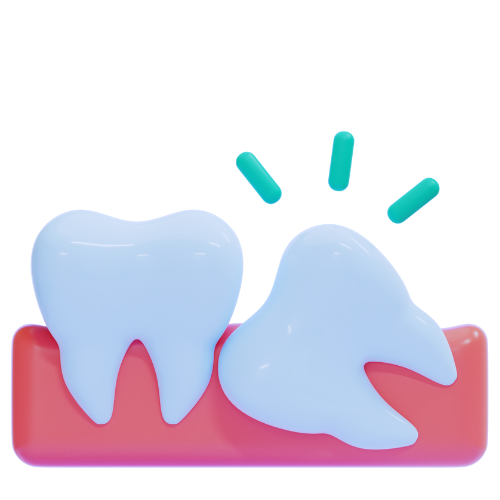
An impacted wisdom tooth is one that cannot fully erupt into its correct position in the dental arch because it is blocked — by the adjacent second molar, insufficient jaw space, or an abnormal eruption angle. Impaction is classified by the tooth’s orientation relative to adjacent teeth and its depth within the jawbone:
- Mesial impaction (most common — 44%): The wisdom tooth is angled forward toward the front of the mouth, pushing against the second molar
- Vertical impaction (38%): The tooth is upright but cannot erupt due to insufficient space
- Horizontal impaction (3%): The tooth lies completely on its side, horizontally — pushing directly against the second molar root
- Distal impaction (6%): The tooth is angled backward toward the rear of the mouth
- Soft tissue impaction: The tooth has erupted through the bone but remains partially covered by gum (operculum) — causing recurrent pericoronitis (gum infection)
- Bony impaction: The tooth is fully or partially embedded within the jawbone — requiring surgical removal
When Should Wisdom Teeth Be Removed?
Not all wisdom teeth require extraction. SurgiPartner’s oral surgeons recommend removal when:
- Recurrent pericoronitis — repeated infection of the gum flap covering a partially erupted wisdom tooth
- Caries (decay) on the wisdom tooth or the adjacent second molar caused by difficult cleaning around the impacted tooth
- Resorption of the second molar root — the impacted wisdom tooth pushing against and dissolving the adjacent tooth’s root
- Pathological cyst or tumour — follicular cysts around an impacted wisdom tooth (identified on X-ray)
- Crowding — wisdom teeth pushing forward and displacing other teeth (controversial — assessed case by case)
- Preparation for orthodontic treatment — wisdom teeth may undermine orthodontic results if left in place
- Chronic pain or pressure from impacted wisdom teeth causing referred ear, jaw, or headache pain
Wisdom Tooth Extraction Procedure — Simple vs Surgical
Simple Extraction
For fully erupted wisdom teeth with minimal bone engagement. Local anaesthetic administered. The tooth is loosened with an elevator instrument and removed with extraction forceps. Duration: 5–15 minutes per tooth. No incision required. Minimal post-operative discomfort.
Surgical Extraction (Impacted Wisdom Tooth Surgery)
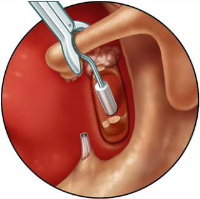
For partially or fully impacted wisdom teeth requiring bone removal and/or tooth sectioning. Under local anaesthesia (IV sedation available): A small incision is made in the gum to expose the tooth and bone. Bone overlying the tooth is carefully removed using a surgical drill. The tooth may be sectioned (cut into 2–3 pieces) to facilitate removal in segments without excessive bone removal. The socket is irrigated and the gum sutured closed. Duration: 20–45 minutes per impacted tooth.
Recovering from Wisdom Tooth Surgery — Week by Week
| Timeline | Experience | Care Instructions |
|---|---|---|
| Hour 1 | Bleeding controlled with gauze. Numbness from anaesthesia. | Bite firmly on gauze for 30–45 minutes. No rinsing. No spitting. No straws. |
| Day 1–2 | Swelling begins. Peak swelling at 48 hours. Moderate jaw pain. | Ice pack (20 mins on/off). Soft diet (yogurt, soup, smoothie). Prescribed analgesics and antibiotics. |
| Day 3–5 | Swelling peaks then begins reducing. Trismus (limited mouth opening) common. | Gentle warm salt water rinses 3x daily from Day 2. Soft diet continues. Rest. |
| Day 7 | Significant improvement. Sutures removed (non-absorbable) or dissolving. | Return to work for most desk jobs. Avoid hard, crunchy foods. Gentle jaw stretching. |
| Week 2–4 | Swelling fully resolved. Mouth opening normalising. Socket healing. | Normal diet resuming. Continue good oral hygiene. Follow-up at 2 weeks. |
⚠️ Dry Socket — What It Is and How to Avoid It
Dry socket (alveolar osteitis) occurs when the blood clot protecting the extraction socket dislodges, exposing bare bone — causing intense, throbbing pain from Day 3–5 onwards.
Risk factors include smoking, spitting, using straws, and vigorous rinsing in the first 24 hours. If you develop worsening pain after Day 3 rather than improving, contact your oral surgeon immediately.
Dry socket is treated with medicated socket dressings and usually resolves within 5–10 days.
Cost of Wisdom Tooth Removal in Hyderabad
| Procedure | Cost Range | Notes |
|---|---|---|
| Simple extraction (erupted wisdom tooth) | ₹2,000 – ₹5,000 per tooth | Local anaesthesia only. No incision needed. |
| Surgical extraction (soft tissue impaction) | ₹4,000 – ₹10,000 per tooth | Local anaesthesia + gum incision + sutures. |
| Surgical extraction (bony impaction) | ₹8,000 – ₹20,000 per tooth | Local anaesthesia + bone removal + tooth sectioning. |
| All 4 wisdom teeth removal | ₹20,000 – ₹60,000 | Under IV sedation or general anaesthesia — combined session. Significant cost saving vs separate procedures. |
Frequently Asked Questions — Wisdom Tooth Removal Hyderabad
An impacted wisdom tooth is one that cannot fully erupt into the mouth because it is blocked by the adjacent tooth, insufficient jaw space, or abnormal growth angle. Impaction types include mesial (angled forward — most common), vertical, horizontal, and distal. Most impacted wisdom teeth require surgical removal to prevent infection, cyst formation, and damage to adjacent teeth.
The procedure is performed under local anaesthesia — you feel no pain during surgery, only pressure. Post-operatively, moderate jaw pain and swelling are expected for 3–5 days and are effectively managed with prescribed anti-inflammatory medication and analgesics. IV sedation is available for anxious patients. Most patients return to desk work within 3–5 days of wisdom tooth removal surgery.
Simple extraction of an erupted wisdom tooth takes 5–15 minutes per tooth. Surgical removal of an impacted wisdom tooth takes 20–45 minutes per tooth. Removing all four wisdom teeth simultaneously under general anaesthesia or IV sedation takes 60–90 minutes total — this combined approach is recommended when all four require removal to minimise total recovery time.
Dry socket (alveolar osteitis) occurs when the protective blood clot dislodges from the extraction socket, exposing bone and causing intense pain from Days 3–5. To prevent it: avoid smoking for at least 72 hours, do not use straws for 48 hours, avoid vigorous spitting or rinsing on Day 1, and eat only soft foods for the first 3 days. If pain increases (rather than decreases) after Day 3, contact SurgiPartner immediately — dry socket requires prompt treatment.
The optimal age for wisdom tooth removal is 17–25 years, when root formation is 2/3 to 3/4 complete — providing enough root structure to grip during extraction while leaving the root tips less developed and easier to remove. Younger patients also have more elastic bone, faster healing, and lower risk of complications. However, wisdom teeth can be safely removed at any age when clinically indicated — impaction, infection, or cyst are indications regardless of age.
Wisdom tooth removal is covered by many Indian health insurance policies when the extraction is surgically complex (impacted tooth requiring bone removal) and performed under general anaesthesia — as this meets the criteria for a surgical procedure rather than a routine dental extraction. SurgiPartner's insurance team can review your policy and advise on coverage eligibility and pre-authorisation requirements.
Yes — removing all four wisdom teeth in one surgical session under IV sedation or general anaesthesia is the most efficient and cost-effective approach. It requires only one anaesthesia, one recovery period, and reduces total time off work compared to four separate procedures. SurgiPartner's oral surgeons are experienced in simultaneous four-wisdom-tooth removal with excellent safety and recovery outcomes.

For the first 24 hours: cold liquids only — water, smoothies, cold soup, yoghurt, ice cream. Days 2–5: soft foods — mashed potato, scrambled eggs, soft pasta, porridge, dal. Week 1–2: gradually introduce normal foods as comfort allows. Avoid throughout the first 2 weeks: hard or crunchy foods (crackers, nuts), hot spicy foods, alcohol, straws, and smoking. Temperature extremes can increase bleeding risk and discomfort.
Why Choose SurgiPartner?
Choosing SurgiPartner means choosing expert dental surgery with patient-focused care and advanced technology.
01.
Experienced Oral Surgeons
Our specialists have extensive experience performing complex wisdom tooth extractions safely and efficiently.
02.
Advanced Minimally Invasive Techniques
We use modern surgical methods that reduce pain, bleeding, and recovery time.
03.
Personalized Treatment Plans
Each procedure is tailored based on tooth position, jaw anatomy, and patient comfort.
04.
Faster Recovery & Post-Op Support
We provide guided recovery plans and continuous follow-up for smooth healing.
Book Your Consultation
Take the first step toward relief from abdominal pain with SurgiPartner Advanced Appendectomy Surgery.
Live free from pain and discomfort that’s the SurgiPartner promise.
Wisdom Tooth Surgery – Patient Experiences
“I had severe jaw pain for months. The surgery was quick and almost painless. Recovery was much easier than I expected.”
Your Personalized Path to Wellness
Follow your step-by-step guide to a successful surgery and recovery, with our expert team supporting you all the way.
Book FREE Consultation
Fill in your details and we'll call you back to confirm your slot.