Pelvic and Abdominal Pain
Knee Pain
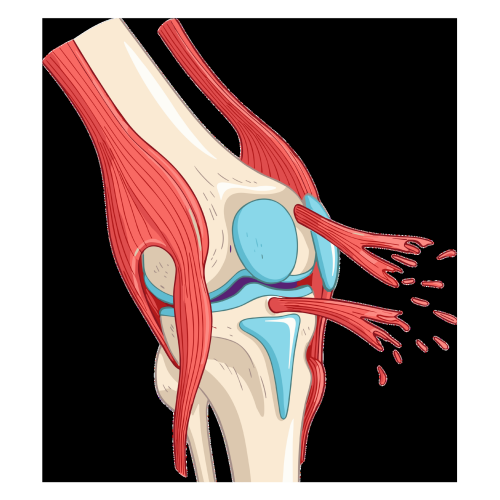
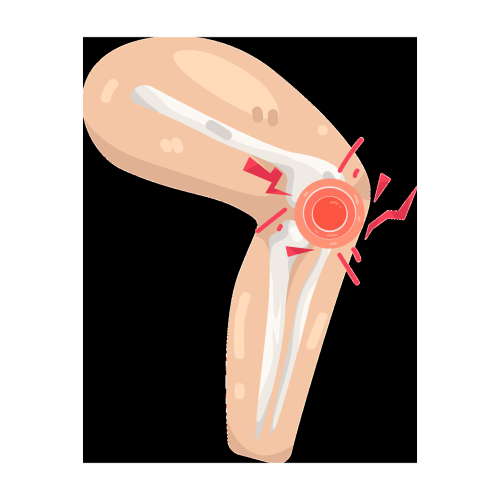
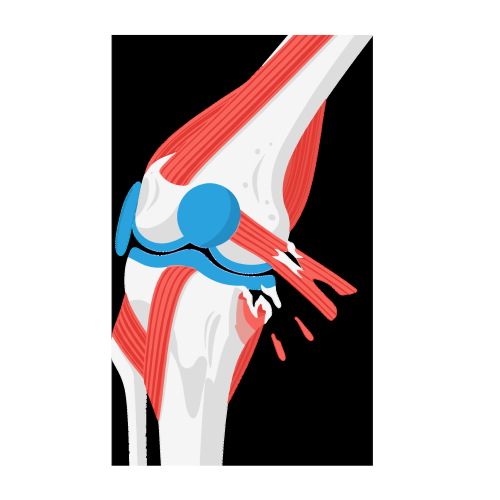
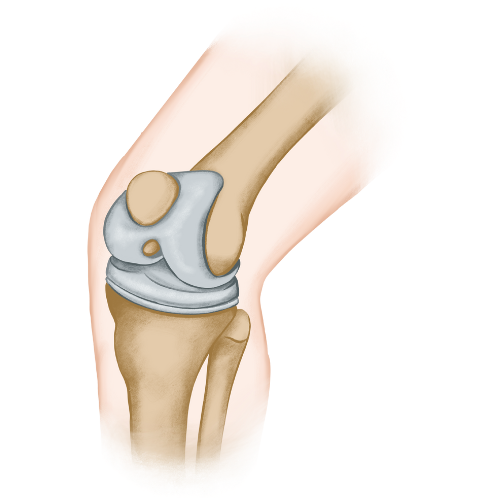
Knee pain can be a source of significant disability in all age groups as it limits mobility. It can be classified into traumatic or non traumatic and based on the site of pain into anterior, medial, lateral and posterior. The common reasons for knee pain vary with age group and pain site. Pain from other sites such as hip and lumbar spine can also present knee pain. In the above 50 years age group raised BMI is an important risk factor for developing symptomatic osteoarthritis.
Genicular nerve blocks & radiofrequency ablation
Knee joint is supplied by branches from many nerves and these are collectively addressed as genicular nerves. The initial diagnostic procedure involves local anaesthetic injections close to the nerves supplying the knee joint. If the diagnostic procedure produces effective pain relief then special type of radio waves are applied to these nerves, which can produce prolonged pain relief (radiofrequency ablation). The procedure alleviates pain by creating a heat lesion around the nerves which interrupts the transmission of pain signals to the brain. These nerves are approached percutaneously under x-ray and ultrasound guidance with no requirement for any surgical incisions.
Cooled Radiofrequency Treatment
Saphenous nerve block & pulsed radiofrequency
Saphenous nerve is a sensory nerve which supplies the medial (inner side) of knee joint and leg. This nerve can get entrapped or injured high up in the thigh leading to groin and inner thigh pain or lower down causing knee and calf pain. Trauma and surgery are common reasons for injury especially of the infrapatellar branch of the nerve.
Most patients present with pain, increased sensitivity along the inferomedial aspect of knee although it is not uncommon to see pain involving most of the anterior knee. A nerve block can be easily performed under ultrasound guidance as a diagnostic test followed by radiofrequency treatment to produce long term pain relief.
Ultrasound guided knee joint, bursa injection
An ultrasound scan of the knee can help in identifying knee pathology and help guide the injection into the desired location. The injected drugs vary depending on the pathology being treated. The options include local anaesthetics, steroids, Hyaluronic acid or Platelet Rich Plasma (PRP). Injections around the knee joint can be either
- Directly into the joint
- Into the tissues surrounding the joints – such as bursa
- Into the muscle or localized tender points
Hyaluronic acid occurs naturally in the cartilage and the synovial fluid that lubricate the joints. In people with osteoarthritis, injections of artificial hyaluronic acid into the joint can help in reducing pain and improving mobility.
Platelet Rich Plasma (PRP) injections
Platelets are one of the blood components. They help in clotting and contain growth factors which promote the healing process. PRP is blood plasma with concentrated platelets. PRP therapy is an attempt to utilise body’s natural ability to heal itself. Growth factors released from the platelets influence and accelerate the repair of tendon or ligaments. The procedure involves collecting a blood sample from the patient which is then placed in a spinning machine to separate different blood components. The component containing high platelets is separated and then injected under ultrasound guidance. Most people require 1-3 injections at 4 weekly intervals.