LASIK Eye Surgery: Everything You Need to Know Before Your Procedure
Imagine waking up tomorrow and seeing the world clearly without reaching for your glasses or contacts. No more foggy mornings. No more contacts irritating your eyes. No more squinting at the board during meetings.
This isn’t a dream—it’s what thousands of people experience after LASIK surgery.
If you’ve been wearing glasses or contacts your entire life, the idea of throwing them away probably feels impossible. But LASIK (Laser-Assisted In Situ Keratomileusis) has changed millions of lives, and it could change yours too.
In this guide, we’ll walk you through everything you need to know about LASIK—how it works, what to expect, the real costs in Hyderabad, recovery timelines, and whether it’s right for you.

What is LASIK Surgery? Understanding the Basics
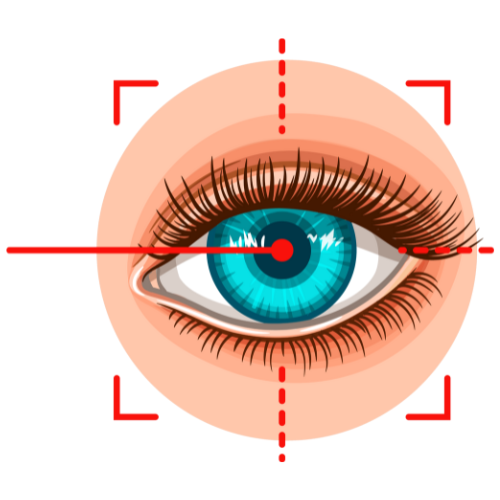
LASIK is a refractive eye surgery that reshapes your cornea—the clear front part of your eye—using a specialized laser. This reshaping corrects how light enters your eye, fixing the problem at its source rather than just correcting vision with glasses.
Who Can Benefit from LASIK?
LASIK works for people with:
- 1. Myopia (Nearsightedness) – You see near objects clearly but far objects are blurry
- 2. Hyperopia (Farsightedness) – You see far objects clearly but near objects are blurry
- 3. Astigmatism – Your cornea is irregularly shaped, causing blurred vision at all distances
If you’ve been wearing glasses or contacts for years, there’s a good chance LASIK could help you.
Think of it like this: If your eye is a camera with a slightly curved lens, LASIK adjusts that lens to perfect clarity.
How LASIK Actually Works: The Step-by-Step Process
Many people feel nervous about LASIK because they don’t understand what happens during the procedure. The fear of the unknown is real. But once you know what to expect, most patients feel much more confident.
Here’s exactly what happens:
Step 1: Numbing Your Eye (2 minutes)
- Your eye doctor applies numbing drops. You won’t feel pain during the procedure—just slight pressure and vibration.
Step 2: Creating the Corneal Flap (30 seconds)
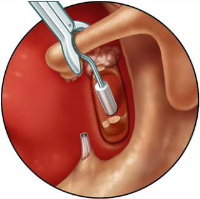
- Using a femtosecond laser (the most advanced technology), your surgeon creates a thin flap in the outer layer of your cornea. This is completely painless. You’ll hear a clicking sound, but no pain.
Step 3: Reshaping the Cornea (20-40 seconds per eye)
- Your surgeon lifts the flap and uses an excimer laser to precisely reshape your cornea based on your exact measurements. You’ll see a red light—that’s the laser working to correct your vision.
Step 4: Flap Repositioning (Immediate)
- The flap is gently replaced. It naturally adheres without stitches. Your eye immediately begins healing.
Total procedure time: 10-15 minutes for both eyes.
That’s it. No incisions. No stitches. Just clear vision.
Recovery: What Happens After LASIK?
This is where many patients worry. The good news? Recovery is much faster than most people expect.
Immediate Hours (Day 0)
- a. Mild discomfort, like a scratch on your eye (this is normal)
- b. Your vision will be blurry or hazy—this improves within hours
- c. Avoid touching your eyes (resistance is hard, but crucial)
- d. Wear protective sunglasses; your eyes are light-sensitive
First Week
- 1. Vision improves dramatically each day
- 2. By day 3-4, most people can return to work
- 3. Avoid swimming, hot tubs, and contact sports
- 4. Continue using prescribed eye drops (very important for healing)
- 5. Some halos or glare around lights at night (usually temporary)
First Month
- 1. Vision stabilizes almost completely
- 2. Dry eye sensation gradually decreases
- 3. Most people can resume all activities except contact sports
- 4. Driving at night becomes comfortable again
Full Healing Timeline
- 1. 3 months: Eyes fully stabilized
- 2. 6 months: You might notice slight improvements (some people continue improving for up to a year)
LASIK Cost in Hyderabad: What Will You Actually Spend?
Cost is often the biggest question people have, and we understand why.
Average LASIK cost in Hyderabad ranges from ₹80,000 to ₹1,50,000 per eye, depending on:
- a. Your specific vision problem and severity
- b. The technology used (newer laser = better precision)
- c. Hospital reputation and surgeon expertise
- d. Your eye health and complications (if any)
The Investment Perspective
Think about how much you spend annually on glasses and contacts:
- a. Contact lenses: ₹2,000-5,000 per year
- b. Prescription glasses: ₹3,000-8,000 every 1-2 years
- c. Doctor visits: ₹500-1,000 per visit
Over 10 years, you could spend ₹50,000-100,000+ on vision correction. LASIK is a one-time investment that pays for itself.
Insurance & Payment Options
Check with your insurance provider—some cover LASIK as a refractive procedure. Many hospitals also offer:
- 1. EMI (installment) plans
- 2. Corporate discounts
- 3. Seasonal offers
LASIK Risks: Being Realistic About Potential Complications
Every surgery carries some risk. It’s important to know them, but also understand they’re rare.
Common Temporary Issues (Usually Resolve)
- a. Dry eyes (most common; usually improves in 3-6 months)
- b. Halos or glare around lights at night
- c. Under-correction or over-correction (requiring glasses for specific tasks)
- d. Slight light sensitivity
Serious Complications (Very Rare)
- a. Epithelial ingrowth (less than 1%)
- b. Corneal infection (less than 0.04%)
- c. Flap complications (less than 0.5%)
Most of these are manageable and don’t permanently affect vision.
Who Should Avoid LASIK?
- 1. Pregnant or nursing women (hormones affect eye shape)
- 2. People with uncontrolled diabetes
- 3. Those with active corneal diseases
- 4. People with extremely thin corneas (alternative procedures available)
A thorough eye examination will determine if you’re a good candidate.
Before Your LASIK Surgery: Prepare Yourself Properly
Medical Preparation
- 1. Stop wearing contact lenses 2-3 weeks before surgery (they change corneal shape)
- 2. Avoid eye makeup on surgery day
- 3. Arrange transportation (you can’t drive immediately after)
- 4. Take prescribed antibiotic eye drops starting day before surgery
Mental Preparation
- 1. Understand the procedure fully (you’re reading this—great start!)
- 2. Ask questions during your consultation
- 3. Meet your surgeon and verify their credentials
- 4. Mentally prepare for temporary discomfort (it’s brief and manageable)
Day-Of Checklist
- 1. Wear comfortable, loose clothing
- 2. Avoid perfume or cologne
- 3. Eat a light meal before arriving
- 4. Take any prescribed pre-surgery medications
- 5. Bring dark sunglasses
- 6. Have someone drive you home
LASIK vs. Other Vision Correction Options
LASIK isn’t the only option. Here’s how it compares:
LASIK vs. PRK
PRK is similar but without creating a corneal flap. It’s better for people with thin corneas but has longer recovery (1-2 weeks vs. 1-2 days).
LASIK vs. Contact Lenses
- a. Contacts: Temporary fix, ongoing cost, daily maintenance
- b. LASIK: Permanent, one-time cost, complete freedom
LASIK vs. Glasses
- a. Glasses: Affordable initially but ongoing expense, limited peripheral vision
- b. LASIK: Higher upfront cost but no daily hassle, full field of vision
For most people, LASIK offers the best combination of long-term value and quality of life.
Real-Life Results: What People Actually Experience
The statistics are impressive:
- a. 99% of LASIK patients achieve 20/25 vision or better
- b. 95% achieve 20/20 vision
- c. Over 95% would recommend LASIK to a friend
Frequently Asked Questions About LASIK
Does LASIK hurt?
No. You’ll feel pressure and hear sounds, but pain? No. Numbing drops prevent any pain during the procedure.
How long does vision correction last?
LASIK is permanent. However, your eyes naturally change with age. You might need reading glasses after age 40, but your distance vision remains corrected.
Can I have LASIK if I have astigmatism?
You should watch for lumps that are hard, irregular in shape, don’t move easily, or are accompanied by skin changes, nipple discharge, or pain. Only a clinical exam and imaging can confirm the nature of the lump.
Will I need glasses after LASIK?
Most people don’t need glasses for daily activities. However, some people might need reading glasses as they age (like everyone else), or weak glasses for night driving.
Is LASIK safe?
Yes. LASIK is one of the safest elective procedures available. Millions of people worldwide have had successful LASIK surgeries.
What's the best age for LASIK?
18-50 is ideal. After 50, presbyopia (age-related vision loss) becomes more common, which LASIK doesn’t address.
Why Surgipatner
✔Right Doctor Guidance
✔ Best Hospitals in Your Budget
✔ Free Consultation
✔ Complete Surgery Support
What Our Patients & Partners Say

Posted onTrustindex verifies that the original source of the review is Google. I am thoroughly impressed with the SurgiPartner model, which delivers integrated, end-to-end patient support across the healthcare continuum—from initial consultations to treatment and surgical interventions, where necessary. I recently availed their Care Buddy service for a consultation, and the experience was highly seamless, efficient, and professionally managed. The structured Care Buddy support, combined with well-aligned financial assistance processes, significantly enhances the overall patient journey. This holistic and patient-centric approach effectively streamlines access to quality healthcare, making it more efficient and convenient in today’s dynamic environment.Posted onTrustindex verifies that the original source of the review is Google. I’m really impressed with the SurgiPartner concept. They provide end-to-end patient support—from doctor consultations to treatment and even surgery when required. I personally used their Care Buddy service for a consultation, and it was a smooth and positive experience. The Care Buddy assistance, along with support in financial processes, makes healthcare much more convenient, especially in today’s fast-paced lifestyle.Posted onTrustindex verifies that the original source of the review is Google. My Brother Arun Kumar and krishna from Bangalore. We are travelled to Hyderabad for LASIK surgery, and today we successfully underwent the procedure at American Laser Eye Hospital. The surgery went very smoothly and I am feeling very good after the procedure. The hospital environment is very clean and well maintained. All the staff and doctors are very polite, supportive, and professional. A special thanks to SurgiPartner CareBuddy for guiding and helping me throughout the entire process. From the beginning till the end of the day, they were with us at every step and provided excellent support. Overall, I had a very good experience and I highly recommend American Laser Eye Hospital for LASIK surgery with SurgiPartner support.Posted onTrustindex verifies that the original source of the review is Google. Really impressed with the concept of SurgiPartner. They offer complete patient support from doctor consultation to treatment and surgery if needed. I personally took a consultation through their Care buddy, and it was a great experience. The care buddy system and help with financial processes make healthcare much easier, especially in today’s busy world.Posted onTrustindex verifies that the original source of the review is Google. My name is Arun Kumar and I am from Bangalore. I traveled to Hyderabad for LASIK surgery, and today I successfully underwent the procedure at American Laser Eye Hospital. The surgery went very smoothly and I am feeling very good after the procedure. The hospital environment is very clean and well maintained. All the staff and doctors are very polite, supportive, and professional. A special thanks to SurgiPartner CareBuddy for guiding and helping me throughout the entire process. From the beginning till the end of the day, they were with us at every step and provided excellent support. Overall, I had a very good experience and I highly recommend American Laser Eye Hospital for LASIK surgery with SurgiPartner supportPosted onTrustindex verifies that the original source of the review is Google. Thank you for the support and service provided by SurgiPartner. The overall experience was smooth and the team was very helpful.Posted onTrustindex verifies that the original source of the review is Google. Staff is very good and nice receiving. They are very humble and their response is very good. Thank youPosted onTrustindex verifies that the original source of the review is Google. I want to thank Surgipartner for all the help and support during my LASIK surgery. From the beginning till the end, the team was very proactive with follow-ups and guided me clearly through every step, which made the whole experience easy and stress-free. I would especially like to appreciate CareBuddy Raju and Coordinator Anusha for their outstanding support. They were always in touch with both the hospital staff and me, helped reduce waiting time, and made sure everything went smoothly. Their care, quick responses, and constant guidance really made a big difference. Overall, I had a very positive experience and truly appreciate the support provided by Surgipartner.Verified by TrustindexTrustindex verified badge is the Universal Symbol of Trust. Only the greatest companies can get the verified badge who has a review score above 4.5, based on customer reviews over the past 12 months. Read more