Advanced Kidney Transplant Surgery with SurgiPartner Expert Care
A Life-Saving Solution for End-Stage Kidney Disease
Your Personalized Path to Wellness
Follow your step-by-step guide to a successful surgery and recovery, with our expert team supporting you all the way.
Book Your Appointment
Advanced Kidney Transplant Care with SurgiPartner
Kidney transplant is a life-saving surgical procedure performed when the kidneys are no longer able to function adequately due to chronic or end-stage kidney disease. Instead of relying on lifelong dialysis, a kidney transplant offers patients the chance to restore near-normal kidney function and significantly improve quality of life.
At SurgiPartner, we provide advanced kidney transplant surgery in Hyderabad through experienced transplant surgeons, nephrologists, and state-of-the-art medical facilities. Our approach focuses on safety, precision, and long-term success, supported by comprehensive pre- and post-transplant care.


Are You Facing Kidney Failure or Long-Term Dialysis?
Chronic kidney disease often progresses silently, and many patients reach a stage where dialysis becomes a regular part of life. While dialysis helps sustain life, it cannot fully replace the function of healthy kidneys.
A kidney transplant offers a more permanent and effective solution. At SurgiPartner, our transplant specialists carefully evaluate each patient to determine transplant eligibility and guide them through every step of the transplant journey—from evaluation to recovery.
When to Consider Kidney Transplant Surgery ?
You may be advised to undergo a kidney transplant if you:
Have end-stage kidney disease
Depend on long-term dialysis
Experience severe kidney function decline
Have uncontrolled symptoms despite medical treatment
Are medically fit for transplant surgery
Early evaluation helps patients plan better and improves transplant outcomes.
Conditions Treated by Kidney Transplant
Kidney transplant is recommended for patients with end-stage or irreversible kidney failure, where the kidneys are no longer able to perform essential functions such as filtering waste, regulating fluids, and maintaining electrolyte balance. It is most commonly performed in individuals with chronic kidney disease (CKD) stage 5, who depend on long-term dialysis or are approaching dialysis.
Transplantation is also required in cases of kidney failure caused by diabetes-related nephropathy, long-standing high blood pressure, glomerulonephritis, polycystic kidney disease, and certain inherited or autoimmune kidney disorders. In such conditions, a kidney transplant offers improved survival and quality of life compared to continued dialysis.
Causes of Kidney Failure Leading to Transplant
Kidney failure develops when chronic damage progressively reduces kidney function over time. The most common causes include diabetes mellitus, which damages small blood vessels in the kidneys, and hypertension, which places constant strain on kidney tissue. Chronic inflammation of the kidneys, recurrent infections, and genetic conditions can also lead to permanent kidney damage.
Other contributing factors include long-term use of certain medications, autoimmune diseases, urinary tract obstructions, and delayed diagnosis or treatment of kidney disease. Identifying and managing these underlying causes is essential both before and after transplant to protect the transplanted kidney and reduce future complications.


Understanding Kidney Transplant Surgery
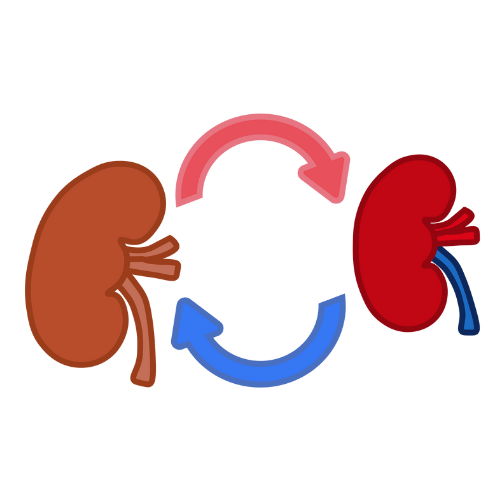
Kidney transplant surgery involves placing a healthy kidney from a living or deceased donor into the patient’s lower abdomen. The new kidney is connected to blood vessels and the urinary system so it can begin filtering blood and producing urine.
In most cases, the patient’s damaged kidneys are left in place unless they cause complications. The surgery is performed under general anesthesia and usually takes several hours. Once blood flow is restored, the transplanted kidney often starts working soon after surgery.
At SurgiPartner, kidney transplant procedures are performed using advanced surgical techniques with continuous monitoring to ensure patient safety and optimal graft function.
Recovery After Kidney Transplant
After surgery, patients are closely monitored in the hospital to assess kidney function, urine output, and overall recovery. Medications called immunosuppressants are started to prevent the body from rejecting the new kidney.
Recovery continues at home with regular follow-up visits, blood tests, and lifestyle guidance. Most patients gradually return to normal activities within a few weeks, while maintaining long-term medical supervision.
Benefits of Kidney Transplant
A successful kidney transplant can dramatically improve quality of life. Patients often experience increased energy levels, improved appetite, better blood pressure control, and freedom from regular dialysis sessions. Many are able to return to work, travel, and live more independently.
With proper care and follow-up, transplanted kidneys can function effectively for many years.
Why Choose SurgiPartner?
Choosing SurgiPartner means choosing a trusted team for kidney transplant surgery in Hyderabad.
01.
Experienced Transplant Surgeons & Nephrologists
Our multidisciplinary team has extensive experience in managing kidney transplant cases.
02.
Advanced Transplant Infrastructure
We partner with leading hospitals equipped with modern ICUs, labs, and surgical facilities.
03.
Comprehensive Transplant Care
From donor evaluation to post-transplant monitoring, all care is coordinated seamlessly.
04.
Long-Term Follow-Up & Support
We focus on lifelong kidney health with structured follow-up and patient education.
Book Your Consultation
Book your consultation with SurgiPartner kidney transplant specialists in Hyderabad and take a step toward a healthier future.
A second chance at life begins with the right care.
Lives Renewed: Real Kidney Transplant Experiences
“After years on dialysis, a kidney transplant gave me a second chance at life. The doctors guided me patiently through every step, from evaluation to recovery. Today, I feel healthier, more energetic, and truly grateful for the care I received.”
Frequently asked questions
What is a kidney transplant?
A kidney transplant is a surgical procedure in which a healthy kidney from a donor is placed into a person whose kidneys no longer function properly.
Who needs a kidney transplant?
Patients with end-stage kidney disease or irreversible kidney failure who depend on long-term dialysis may require a transplant.
Is kidney transplant better than dialysis?
For many patients, a transplant offers better quality of life, improved energy levels, and longer survival compared to dialysis.
Who can donate a kidney?
A kidney can be donated by a living donor (family member or compatible donor) or from a deceased donor.
Is kidney transplant surgery safe?
Yes. When performed by experienced transplant teams using modern techniques, kidney transplant surgery is considered safe and effective.
How long does kidney transplant surgery take?
The surgery usually takes 3 to 5 hours, depending on individual medical factors.
How long is recovery after a kidney transplant?
Most patients stay in the hospital for about 7–10 days and gradually resume normal activities over the next few weeks.
Will I need medicines after the transplant?
Yes. Lifelong immunosuppressive medications are required to prevent rejection of the transplanted kidney.
9. How long does a transplanted kidney last?
How long does a transplanted kidney last?
th proper care and follow-up, a transplanted kidney can function well for many years.
Can I live a normal life after kidney transplant?
Yes. Most patients return to work, travel, and daily activities, enjoying a significantly improved quality of life.
Get it Touch
Tell us your concerns and we’ll guide you toward the best, safest circumcision option based on your age, health, and needs.
Kidney Transplant Services Available Across Hyderabad
SurgiPartner facilitates advanced kidney transplant care in Hyderabad through trusted hospitals and expert transplant teams – ensuring safety, transparency, and continuous support.