
Minimally Invasive Care • Faster Recovery • Long-Term Relief
Regain Comfort, Health & Confidence with SurgiPartner Advanced Hysterectomy Surgery
Your Personalized Path to Wellness
Follow your step-by-step guide to a successful surgery and recovery, with our expert team supporting you all the way.
Book Your Appointment
Advanced Uterus Removal Surgery in Hyderabad
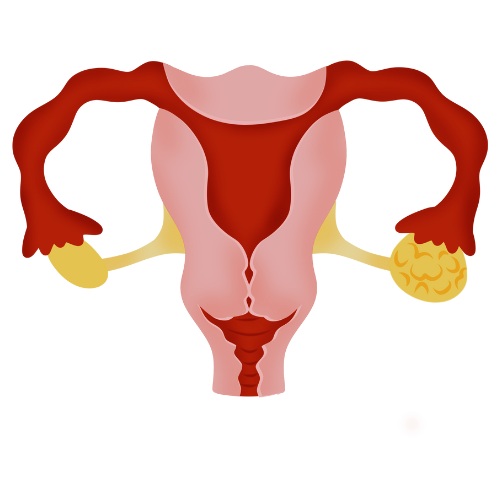
Uterus removal, medically known as hysterectomy, is a surgical procedure performed to remove the uterus to treat various gynecological conditions that cause chronic pain, excessive bleeding, or serious health risks. Depending on the condition, partial or complete removal of the uterus may be recommended.
At SurgiPartner, we provide best and advanced hysterectomy surgery in Hyderabad using modern laparoscopic, minimally invasive, and robotic-assisted techniques. Our expert gynecologists focus on safe surgery, minimal pain, reduced scarring, and faster recovery while ensuring compassionate and confidential care.


Are You Experiencing Chronic Pelvic Pain or Heavy Menstrual Bleeding?
Many women experience prolonged menstrual bleeding, pelvic pain, pressure, or fatigue due to uterine conditions. When medications or conservative treatments fail, these symptoms can significantly affect daily life, emotional well-being, and overall health.
Early evaluation helps prevent complications such as anemia, infection, or worsening disease. At SurgiPartner, our specialists carefully assess symptoms and recommend the most appropriate treatment, including hysterectomy when necessary.
When to Consider Uterus Removal (Hysterectomy)
Hysterectomy is recommended when symptoms persist or worsen despite other treatments.
Heavy or prolonged menstrual bleeding, leading to anemia, weakness, and fatigue
Chronic pelvic pain or pressure, interfering with daily activities and sleep
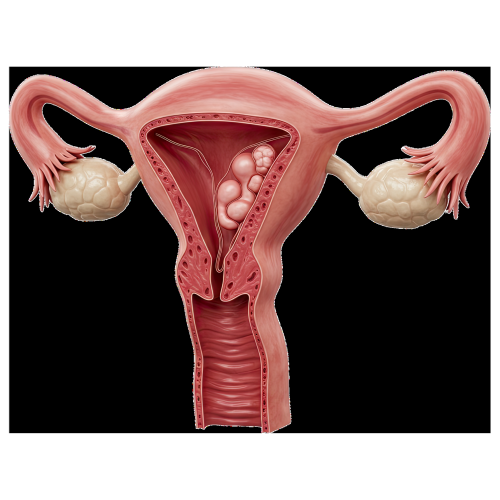
Large or multiple uterine fibroids, causing pain, bleeding, or urinary problems
Uterine prolapse, where the uterus slips into the vaginal canal
Endometriosis or adenomyosis, causing severe pain and discomfort
Gynecological cancers or precancerous conditions, requiring definitive treatment
Failure of medications or minimally invasive treatments, making surgery necessary
Symptoms Indicating the Need for Hysterectomy
- Excessive or irregular menstrual bleeding, lasting longer than normal cycles
- Severe pelvic pain or cramping, especially during menstruation
- Lower abdominal pressure or heaviness, affecting posture and comfort
- Pain during intercourse, impacting quality of life
- Frequent urination or constipation, due to pressure from enlarged uterus
- Persistent fatigue and anemia, caused by chronic blood loss
Causes Leading to Uterus Removal Surgery
- Uterine fibroids, the most common cause, leading to bleeding and pain
- Endometriosis, where uterine tissue grows outside the uterus
- Adenomyosis, causing thickened uterine walls and severe pain
- Uterine prolapse, due to weakened pelvic floor muscles
- Chronic pelvic inflammatory disease, causing infection and scarring
- Gynecological cancers, including uterine, cervical, or ovarian cancer


Understanding Advanced Hysterectomy Surgery
Hysterectomy can be performed using different surgical approaches depending on the condition and patient health. Laparoscopic hysterectomy is the preferred method in most cases, involving small incisions and camera-guided surgery.
This advanced technique results in less pain, minimal scarring, shorter hospital stay, and faster recovery compared to traditional open surgery. Vaginal or abdominal hysterectomy may be recommended in specific or complex cases. At SurgiPartner, the surgical approach is personalized for optimal safety and outcomes.
Preparing for Surgery
Proper preparation ensures a safe and smooth hysterectomy experience.
Provide complete medical and gynecological history, including prior surgeries or pregnancies
Inform the doctor about medications, supplements, or blood thinners, for safe planning
Undergo pre-operative tests, such as blood tests and imaging
Follow fasting and medication instructions, before anesthesia
Arrange post-surgery support, including transportation and home care
On the Day of the Procedure
Patients receive coordinated care and continuous monitoring throughout surgery day.
Hospital admission and detailed briefing by the gynecology team, explaining the procedure
Monitoring of vital signs, ensuring patient safety
Administration of general anesthesia, providing a painless surgical experience
Removal of the uterus using laparoscopic, vaginal, or open technique, as planned
Post-operative monitoring, until stable recovery
Most hysterectomy procedures are completed within 1–3 hours, depending on complexity.
Post-Surgery Recovery and Rehabilitation
Recovery after hysterectomy is gradual and guided carefully.
Pain managed effectively with prescribed medications, ensuring comfort
Early gentle movement encouraged, to improve circulation
Avoid heavy lifting and strenuous activity, for several weeks
Proper wound and vaginal care, to prevent infection
Follow-up visits to monitor healing, and overall recovery
Gradual return to normal activities, based on medical advice
Why Choose SurgiPartner?
Choosing SurgiPartner means choosing advanced gynecological care with compassion and expertise.
01.
Experienced Gynecologists & Laparoscopic Surgeons
Our specialists have extensive experience performing complex and routine hysterectomy surgeries safely.
02.
Advanced Laparoscopic & Non-Surgical Options
We use laparoscopic and modern surgical methods that reduce pain, scarring, and recovery time.
03.
Personalized & Fertility-Safe Treatments
Each patient receives a customized surgical and recovery plan tailored to her condition and health needs.
04.
Quick Recovery & Expert Postoperative Care
Structured post-operative care and follow-ups ensure smooth healing and long-term comfort.
Book Your Consultation
Take the first step toward a healthier, pain-free life with SurgiPartner Advanced Hysterectomy Surgery.
Our experts are here to provide safe, precise, and compassionate care.
Comfort, care, and confidence — that’s the SurgiPartner promise.
Patient Experiences – Hysterectomy Surgery
At SurgiPartner, we’ve helped countless women overcome Hysterectomy through advanced, minimally invasive treatments that restore health, comfort, and confidence.
Frequently asked questions
What is uterus removal (hysterectomy)?
Hysterectomy is a surgical procedure to remove the uterus, performed to treat conditions such as fibroids, heavy bleeding, endometriosis, prolapse, or cancer. After the uterus is removed, menstrual periods permanently stop, and pregnancy is no longer possible.
Why is hysterectomy recommended?
Hysterectomy is recommended when symptoms like heavy bleeding, chronic pelvic pain, or pressure do not improve with medications or less invasive treatments. In some cases, it is necessary to prevent serious complications or treat cancer.
Is hysterectomy a major surgery?
Yes, hysterectomy is a major surgical procedure. However, with advanced laparoscopic and minimally invasive techniques, recovery is much faster, pain is reduced, and hospital stay is shorter compared to traditional open surgery.
What types of hysterectomy are available?
Depending on the condition, hysterectomy may involve removal of only the uterus, the uterus with cervix, or the uterus along with ovaries and fallopian tubes. The approach may be laparoscopic, vaginal, or abdominal.
Is laparoscopic hysterectomy safe?
Yes, laparoscopic hysterectomy is a safe and widely used advanced surgical method. It involves small incisions, less blood loss, minimal scarring, and quicker recovery when performed by experienced surgeons.
Will hysterectomy stop menstrual periods permanently?
Yes. Once the uterus is removed, menstrual bleeding stops permanently. This often brings relief to women suffering from heavy or painful periods.
Will hysterectomy affect hormones or menopause?
Hormonal changes occur only if the ovaries are removed during surgery. If ovaries are preserved, hormone levels usually remain stable, and natural menopause occurs at the normal age.
Is hysterectomy painful?
The surgery itself is painless due to anesthesia. After surgery, some discomfort is expected but is usually well managed with medications and improves steadily during recovery.
How long is the hospital stay after hysterectomy?
Most patients stay in the hospital for 1–3 days, depending on the surgical method and individual recovery. Minimally invasive procedures often allow earlier discharge.
How long does recovery take after hysterectomy?
Initial recovery takes about 2–3 weeks, while complete recovery usually takes 4–6 weeks. Recovery time may vary based on surgical technique and overall health.
Get it Touch
Share your symptoms, reports, or medical history, and our experts will guide you to the best treatment plan suited to your needs.
Hysterectomy Services Available Across Hyderabad
SurgiPartner offers best and advanced uterus removal (hysterectomy) surgery in Hyderabad through expert gynecologists and partner hospitals – ensuring safe care, faster recovery, and lasting relief.



























“I suffered from heavy bleeding and pain for years. After hysterectomy, my health and energy levels improved dramatically.”