Regain Dignity & Comfort with SurgiPartner Advanced Genitourinary Fistula Repair
Expert Surgical Care • Minimally Invasive Techniques • Long-Term Relief
Your Personalized Path to Wellness
Follow your step-by-step guide to a successful surgery and recovery, with our expert team supporting you all the way.
Book Your Appointment
Advanced Genitourinary Fistula Repair in Hyderabad
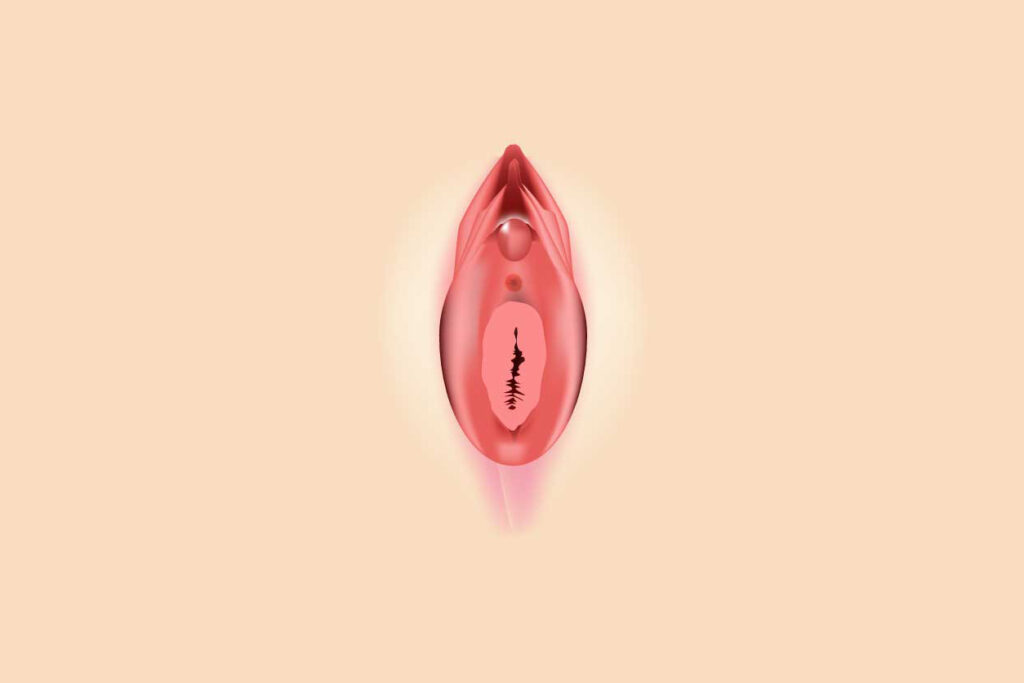
A genitourinary fistula is an abnormal connection between the urinary system (bladder, ureters, or urethra) and the genital tract or surrounding organs. This condition can lead to continuous urine leakage, recurrent infections, skin irritation, and significant emotional distress if left untreated.
At SurgiPartner, we provide best and advanced genitourinary fistula repair in Hyderabad using modern reconstructive and minimally invasive surgical techniques. Our experienced surgeons focus on restoring normal urinary function, preventing recurrence, and improving overall quality of life with compassionate, confidential care.


Are You Experiencing Continuous Urine Leakage or Recurrent Infections?
Patients with genitourinary fistula often experience uncontrollable urine leakage through the vagina, persistent foul odor, repeated urinary tract infections, and irritation of surrounding skin. These symptoms can severely impact daily activities, social interactions, and emotional well-being.
Early diagnosis and timely surgical repair are essential. At SurgiPartner, our specialists carefully evaluate the fistula type and severity to recommend the most effective surgical treatment.
When to Consider Genitourinary Fistula Repair
Genitourinary fistula repair should be considered when symptoms persist or worsen despite conservative management.
Continuous or uncontrollable leakage of urine, especially through the vaginal opening, affecting hygiene and daily comfort
Recurrent urinary tract infections or persistent foul odor, indicating abnormal urinary flow
Skin irritation, rashes, or sores due to constant moisture and urine exposure
History of pelvic surgery, childbirth trauma, or radiation therapy, increasing fistula risk
Emotional distress, social embarrassment, or reduced quality of life, requiring definitive treatment
Symptoms Indicating the Need for Fistula Repair
Genitourinary fistula symptoms may vary depending on location and size but often worsen over time.
Constant leakage of urine without control, even after bladder emptying
Wetness or irritation in the genital area, leading to discomfort and infections
Frequent urinary tract infections and burning sensation, due to abnormal urine flow
Foul-smelling discharge, affecting personal hygiene
Pain during urination or sexual activity, depending on fistula involvement
Emotional distress and social withdrawal, caused by ongoing symptoms
Causes Leading to Genitourinary Fistula Formation
Genitourinary fistulas usually develop due to injury or damage to pelvic organs.
Complicated or prolonged childbirth, causing pressure-related tissue damage
Pelvic or gynecological surgeries, including hysterectomy or bladder procedures
Radiation therapy to the pelvic area, weakening tissue integrity
Pelvic infections or abscesses, eroding surrounding tissues
Trauma or injury to pelvic organs, including accidents or surgical complications
Chronic inflammation or untreated urinary infections, leading to tissue breakdown


Understanding Genitourinary Fistula Repair Surgery
Genitourinary fistula repair involves surgically closing the abnormal connection and restoring normal anatomy and urinary function. The surgical approach depends on fistula type, size, location, and patient health.
Advanced techniques may include vaginal, abdominal, laparoscopic, or robotic-assisted repair. These methods aim to minimize tissue trauma, improve healing, reduce recurrence, and restore continence. At SurgiPartner, surgery is planned with precision and sensitivity to ensure optimal outcomes.
Preparing for Surgery
Proper preparation helps ensure safe and successful fistula repair.
Provide a detailed medical and surgical history, including childbirth, surgeries, or radiation exposure
Inform the surgeon about medications, supplements, or blood thinners, to manage surgical risk
Undergo diagnostic tests, such as imaging or cystoscopy, to identify fistula location
Follow fasting and medication instructions, as advised before anesthesia
Arrange post-surgery support, including transportation and home assistance
On the Day of the Procedure
Patients receive coordinated care and continuous monitoring throughout surgery day.
Hospital admission and detailed briefing by the surgical team, explaining the repair plan
Monitoring of vital signs, ensuring patient safety
Administration of appropriate anesthesia, providing a painless surgical experience
Surgical repair of the fistula using advanced techniques, preserving surrounding tissue
Post-operative monitoring, ensuring stability before transfer to recovery
Post-Surgery Recovery and Rehabilitation
Recovery focuses on proper healing and prevention of recurrence.
Temporary catheter placement, allowing the repair site to heal properly
Pain managed with prescribed medications, ensuring comfort
Strict hygiene and wound care, reducing infection risk
Gradual return to daily activities, as advised by the surgeon
Follow-up visits to assess healing, remove catheters, and monitor recovery
Lifestyle and activity guidance, supporting long-term success
Why Choose SurgiPartner for Genitourinary Fistula Repair?
Choosing SurgiPartner means choosing expert surgical care with dignity, privacy, and compassion.
01.
Experienced Reconstructive Surgeons
Our surgeons have extensive experience managing complex genitourinary fistula cases with high success rates.
02.
Advanced Transplant Infrastructure
We use modern surgical methods that reduce tissue damage, promote faster healing, and lower recurrence risk.
03.
Comprehensive Transplant Care
Each repair strategy is tailored to fistula type, severity, and patient health for optimal outcomes.
04.
Long-Term Follow-Up & Support
We provide structured post-operative care, follow-ups, and guidance to ensure lasting relief and confidence.
Book Your Consultation
We provide structured post-operative care, follow-ups, and guidance to ensure lasting relief and confidence.
Restoring health and dignity — that’s the SurgiPartner promise.
Patient Experiences – Genitourinary Fistula Repair
“I suffered from constant urine leakage after a complicated surgery, which affected my confidence and daily life. The team at SurgiPartner treated me with complete dignity and explained every step of the repair clearly. The surgery was successful, recovery was smooth, and I finally feel normal and confident again.”
“For months, I avoided social gatherings due to embarrassment and discomfort. After consulting SurgiPartner, the doctors diagnosed my condition accurately and planned advanced fistula repair. Today, I am completely dry, infection-free, and extremely thankful for the compassionate care I received.”
Frequently asked questions
What is a genitourinary fistula?
A genitourinary fistula is an abnormal connection between the urinary tract and genital organs, causing continuous urine leakage and recurrent infections if left untreated.
Is genitourinary fistula a serious condition?
Yes. While not life-threatening initially, it can severely affect hygiene, mental health, and quality of life. Early surgical repair prevents complications and long-term distress.
What causes genitourinary fistula?
It commonly occurs due to complicated childbirth, pelvic surgeries, radiation therapy, infections, or trauma that damage pelvic tissues.
Is surgery the only treatment option?
In most cases, surgery is the definitive and most effective treatment. Non-surgical methods rarely provide permanent relief for established fistulas.
Is fistula repair surgery painful?
No. The surgery is performed under anesthesia, making it painless. Post-operative discomfort is usually mild and well controlled with medications.
How long does fistula repair surgery take?
The duration depends on the fistula’s size and location, but most surgeries take a few hours and are carefully planned for safety.
Will I need to stay in the hospital after surgery?
Yes. Hospital stay is usually required for monitoring, catheter care, and ensuring proper healing of the repair.
Will I need a catheter after fistula repair?
Yes. A temporary urinary catheter is placed to allow the repaired area to heal properly and is removed during follow-up.
How long does recovery take after fistula repair?
Most patients recover within a few weeks. Full healing depends on individual health, fistula complexity, and adherence to post-operative care.
When should I consult a doctor?
If you experience continuous urine leakage, recurrent urinary infections, or persistent genital irritation, you should consult a specialist as early as possible.
Get it Touch
Tell us your concerns and we’ll guide you toward the best, safest Genitourinary Fistula option based on your age, health, and needs.
Genitourinary Fistula Repair Services Available Across Hyderabad
SurgiPartner offers best and advanced genitourinary fistula repair in Hyderabad through expert surgeons and partner hospitals – ensuring safe treatment, faster recovery, and restored quality of life.